

Antique Karabagh Area Rug (7' x 16')
Buy with confidence: One-of-a-kind rugs, accurately described, 100% satisfaction guaranteed. Free shipping on every order.
Dimensions: 7'5" x 16'6" (226 cm x 503 cm).
Circa: 1900.
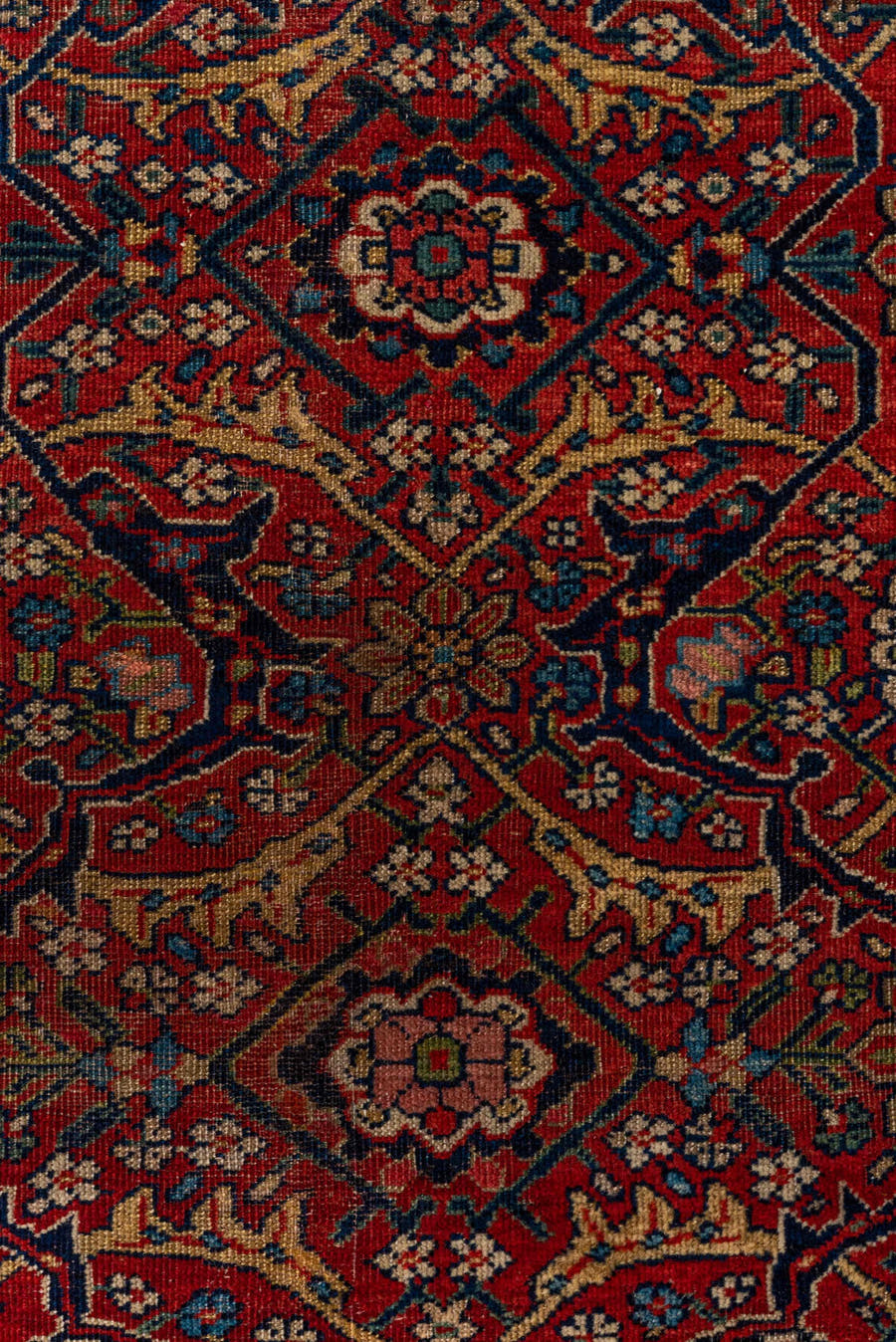
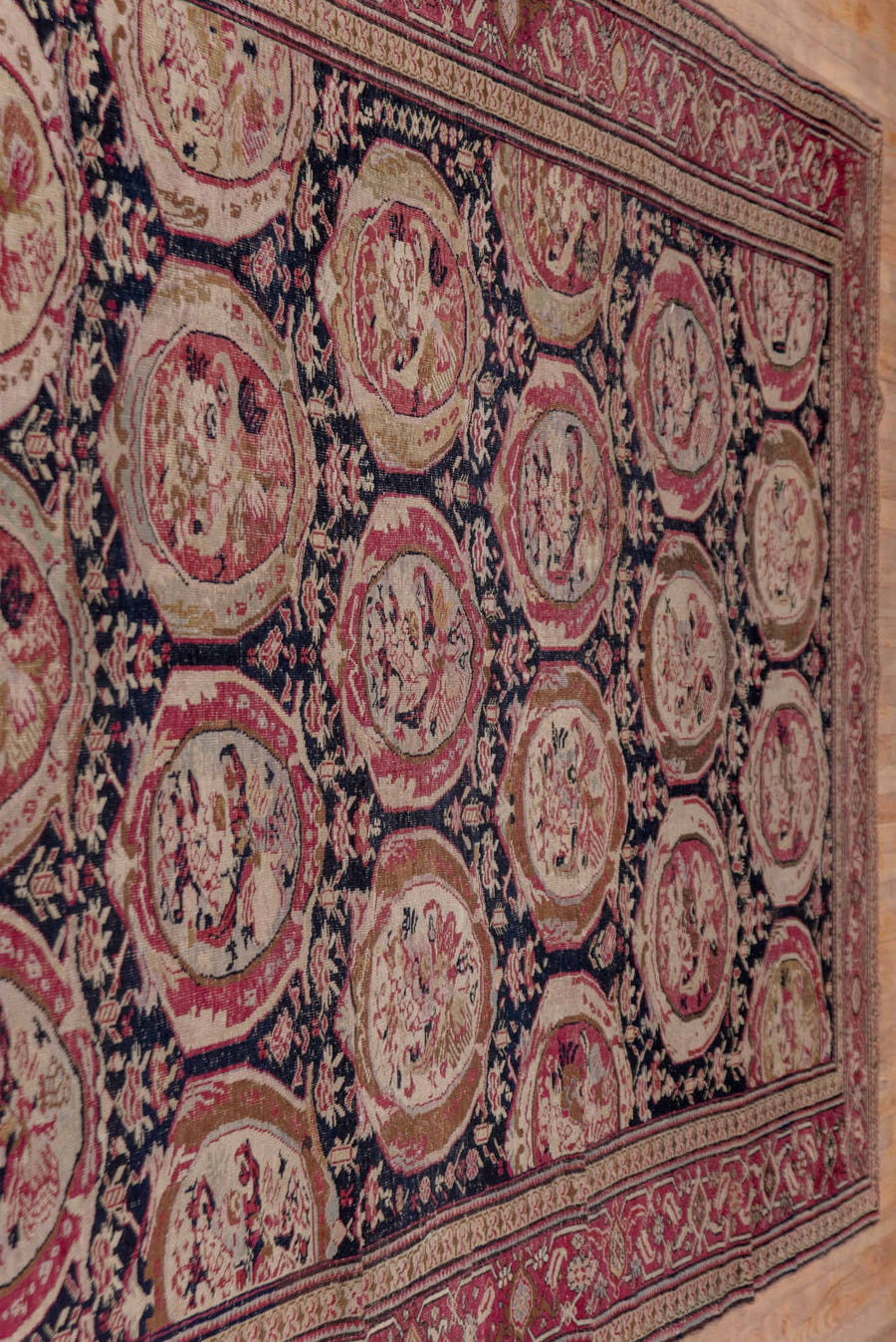
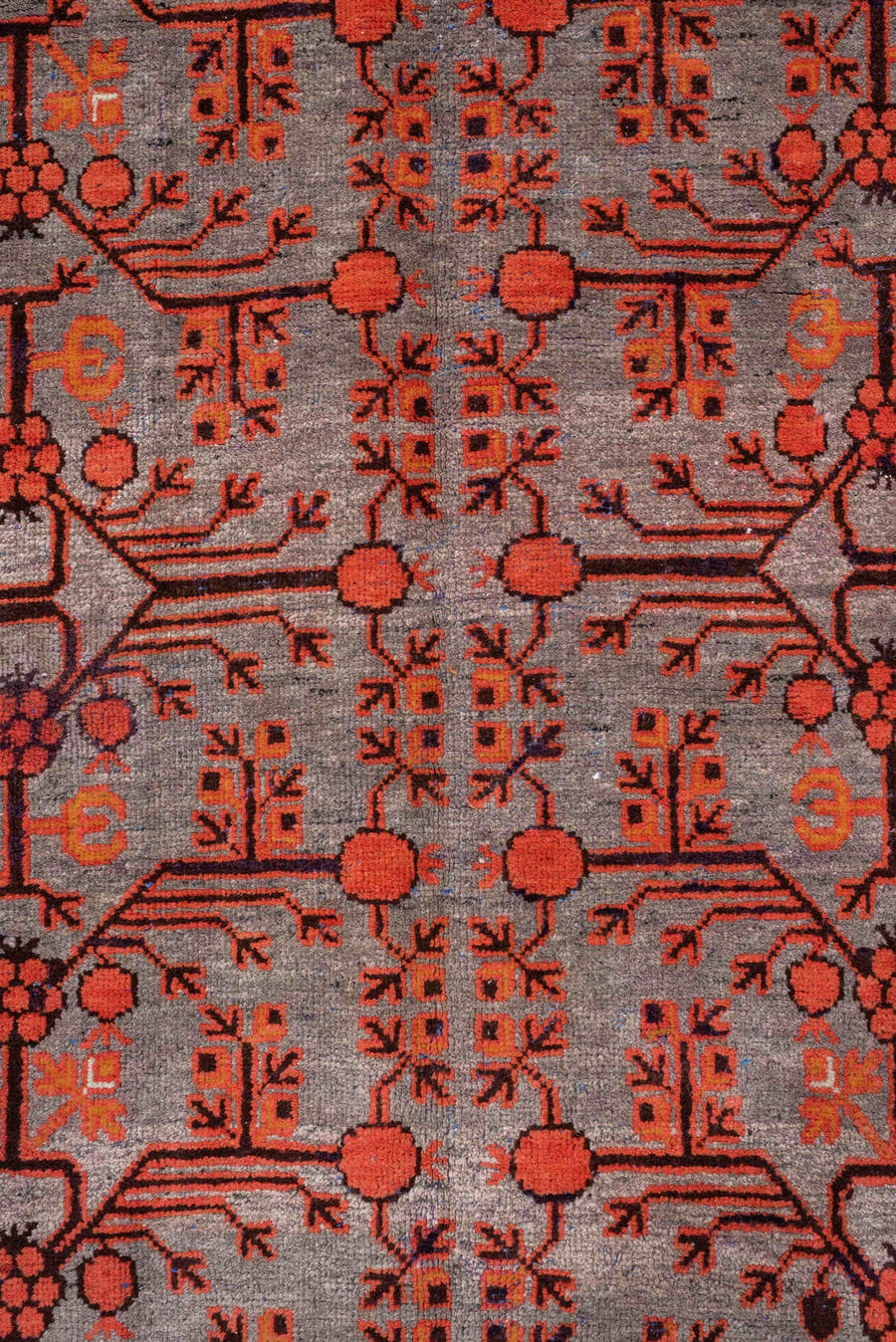
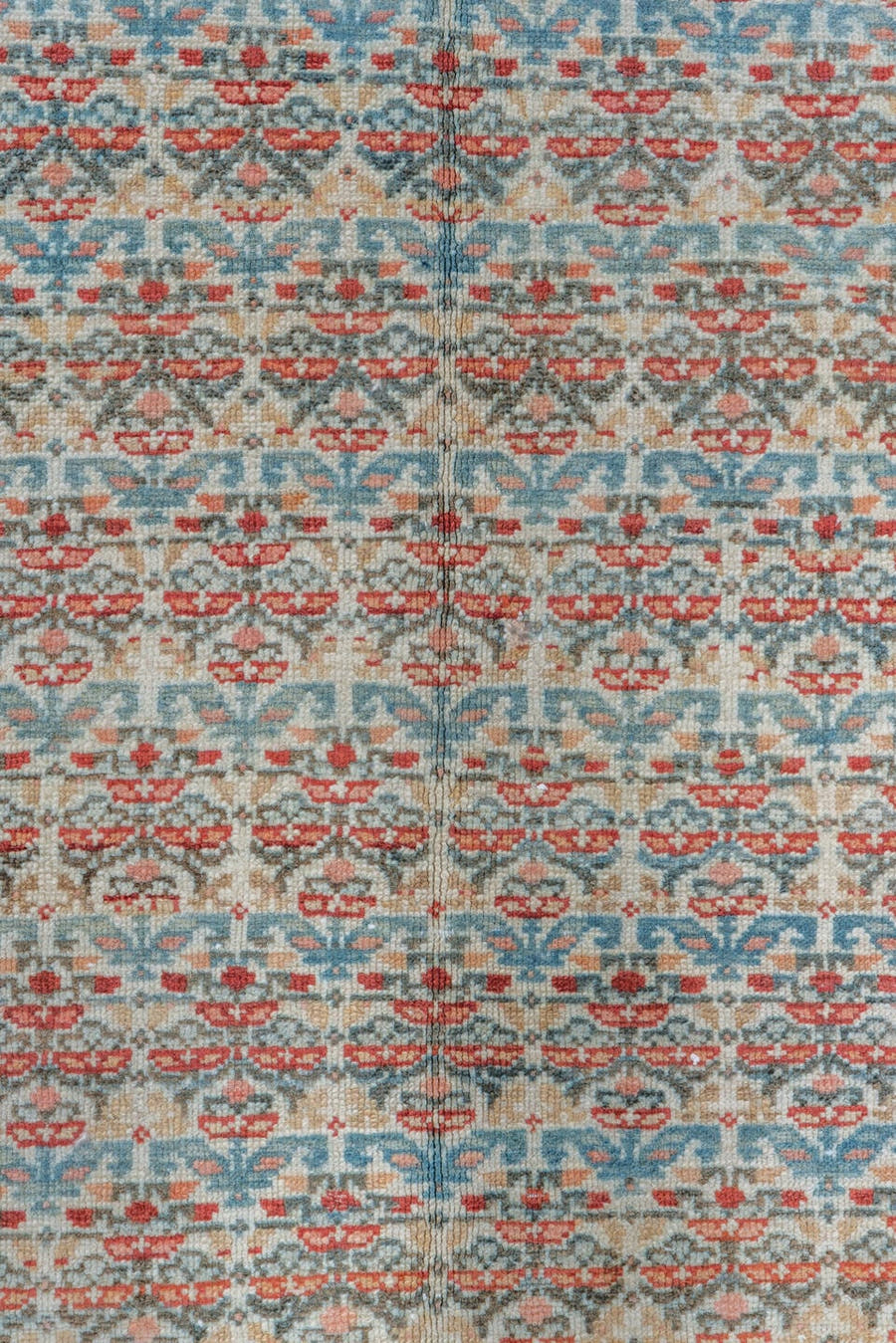
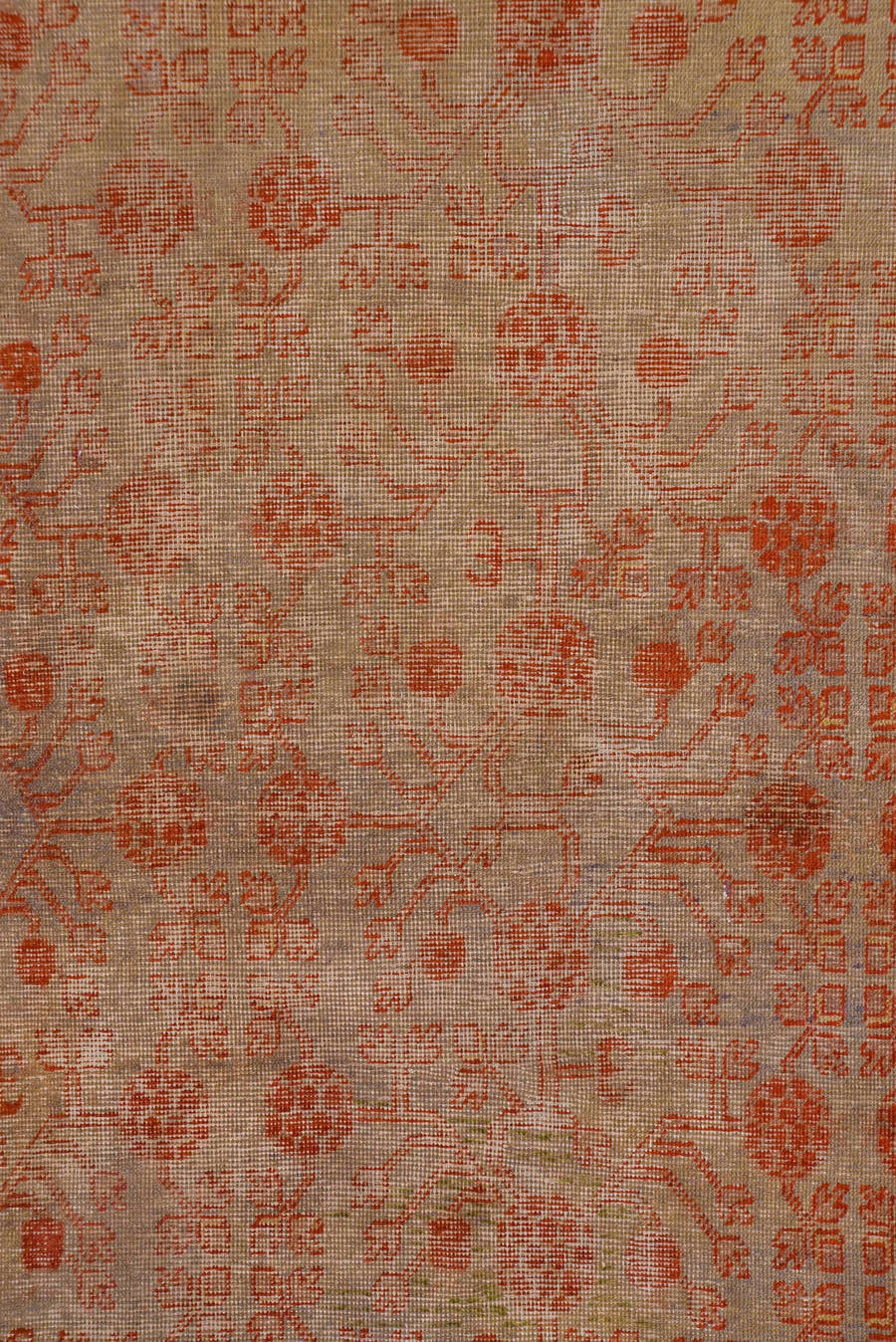
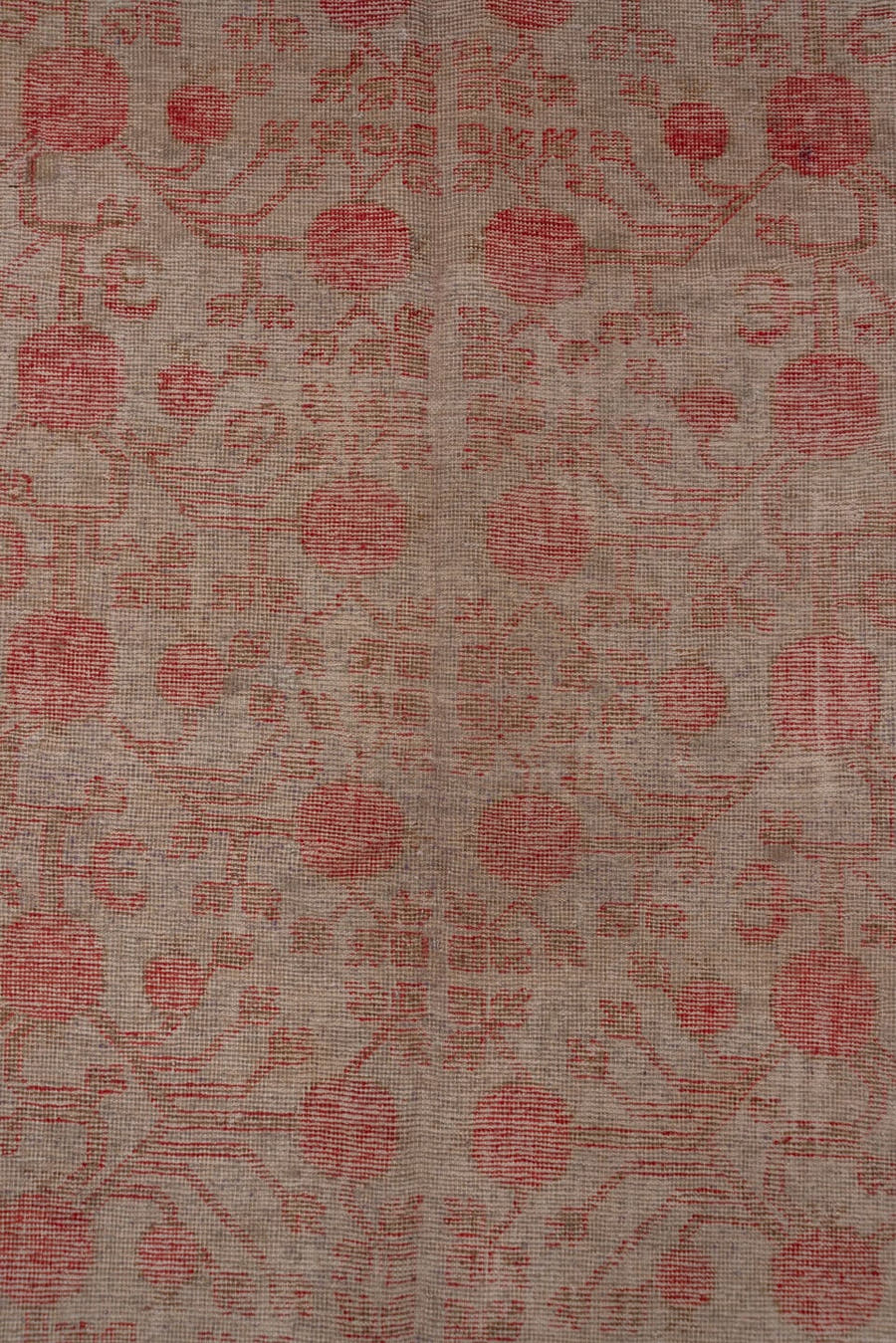
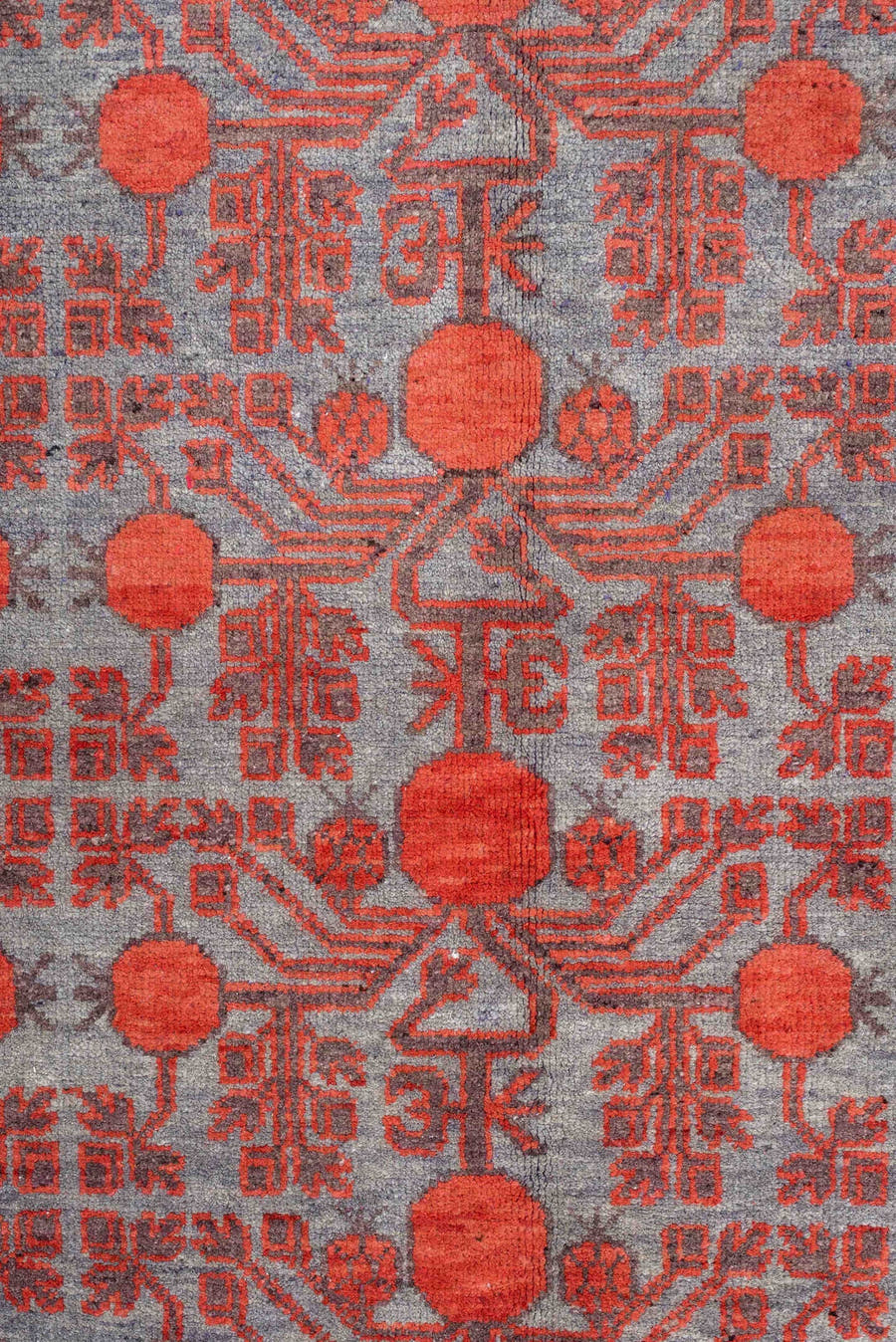
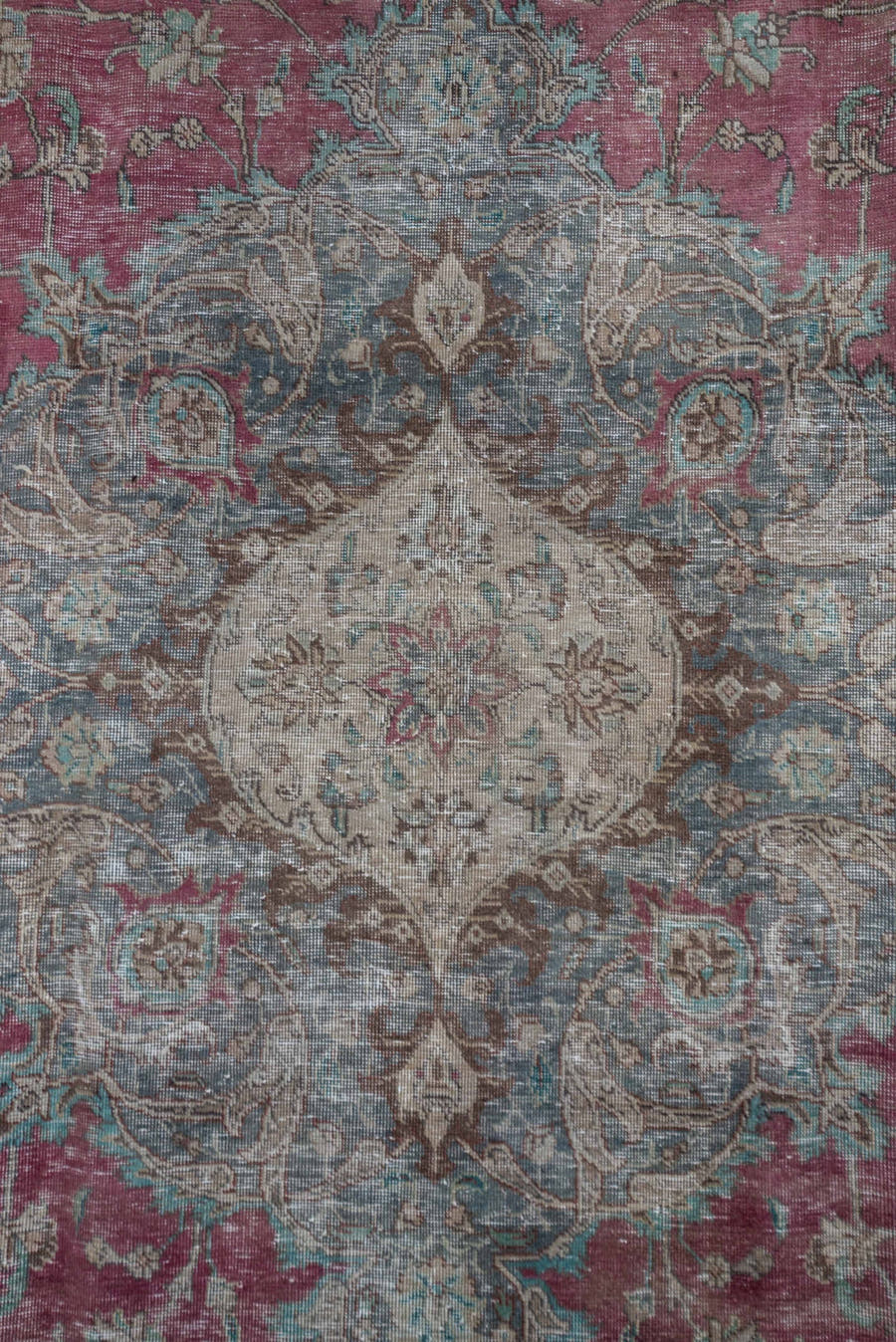
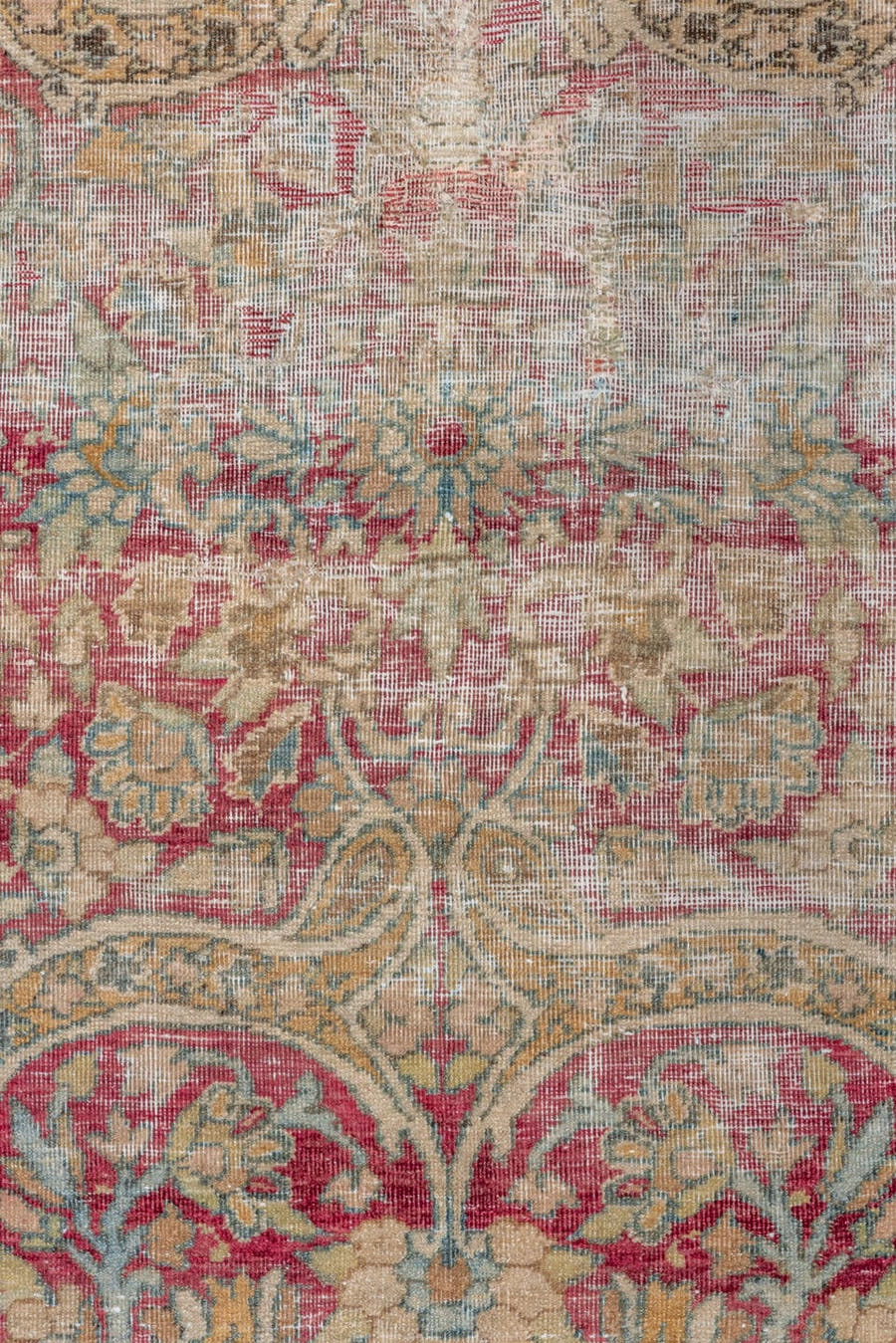
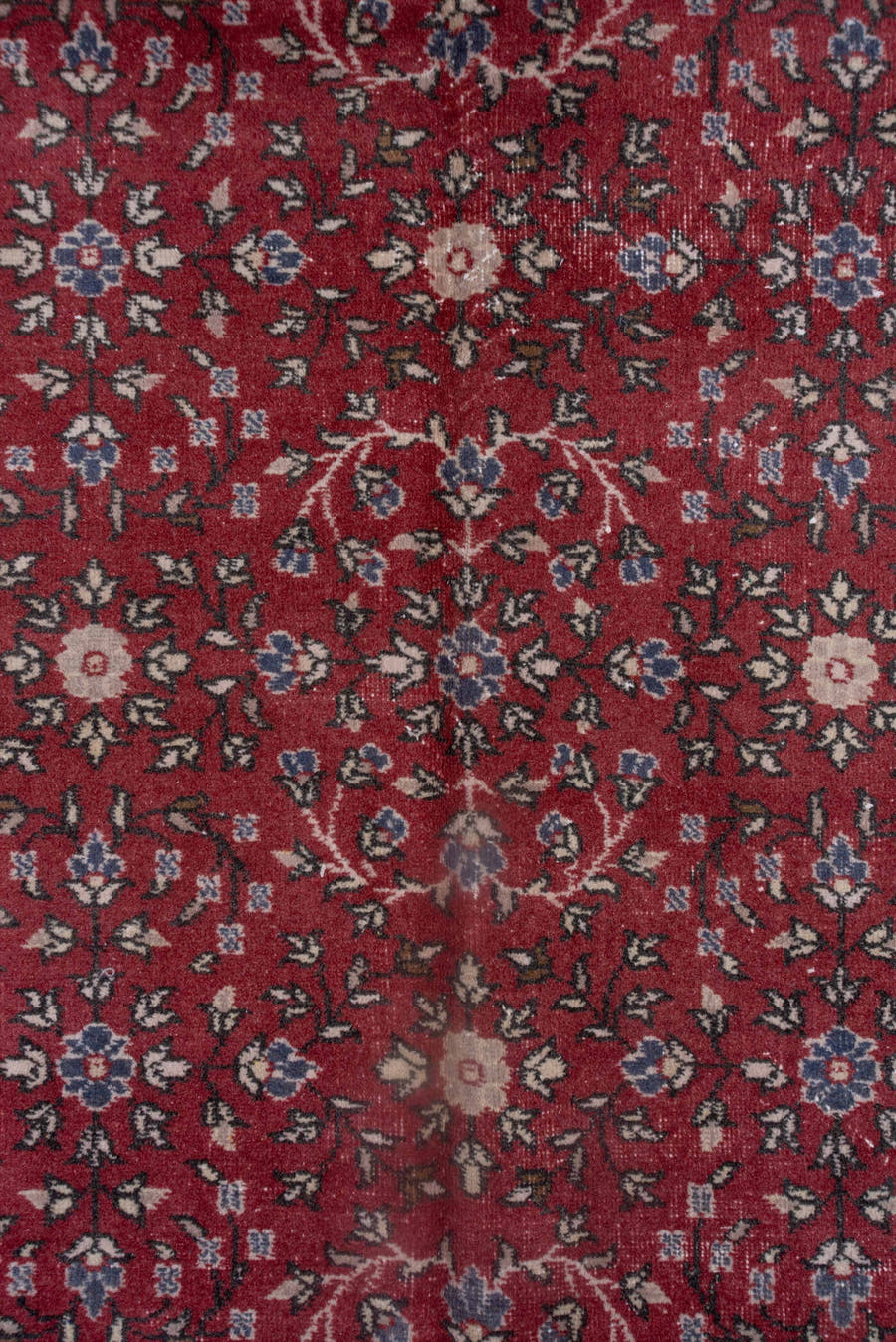
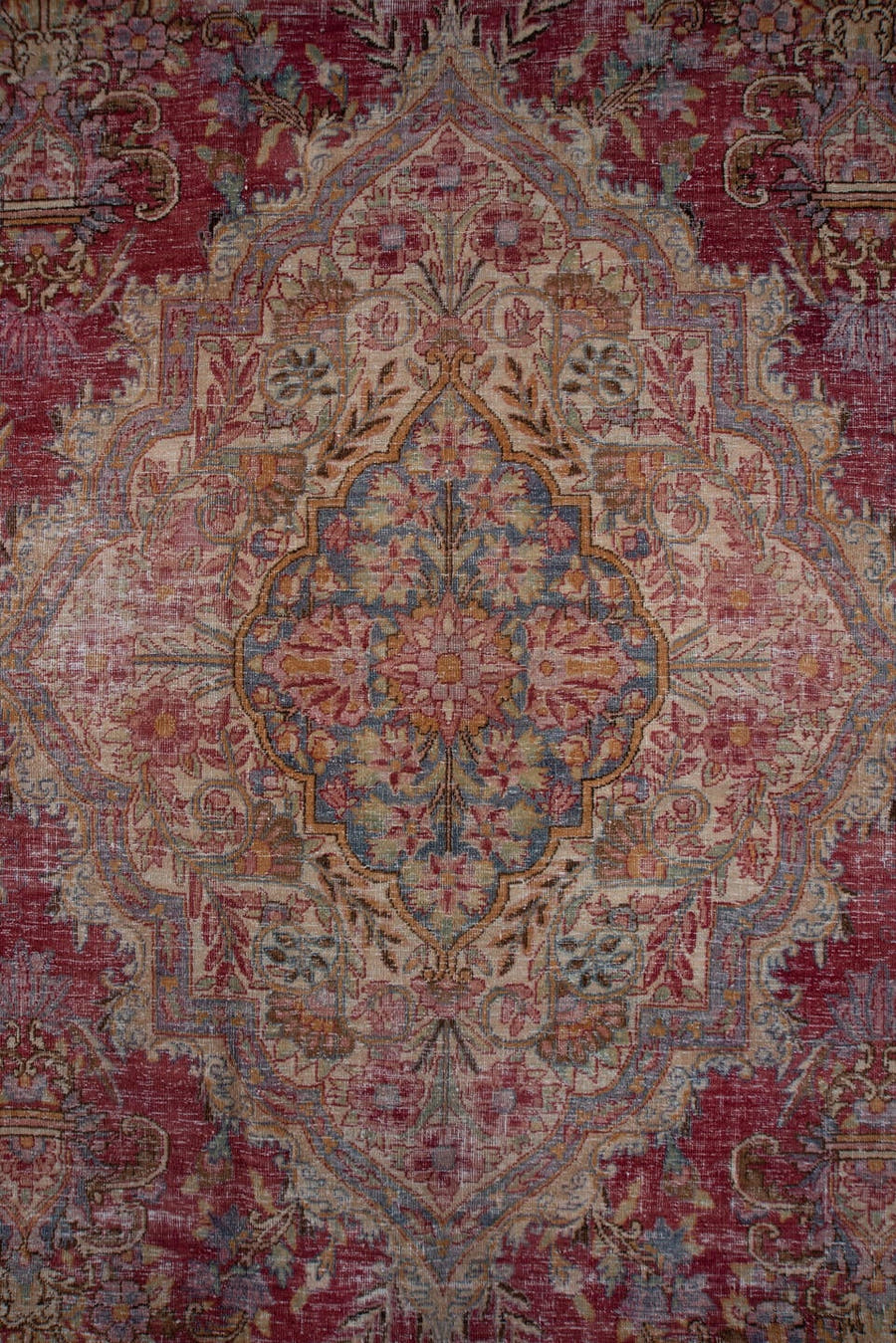
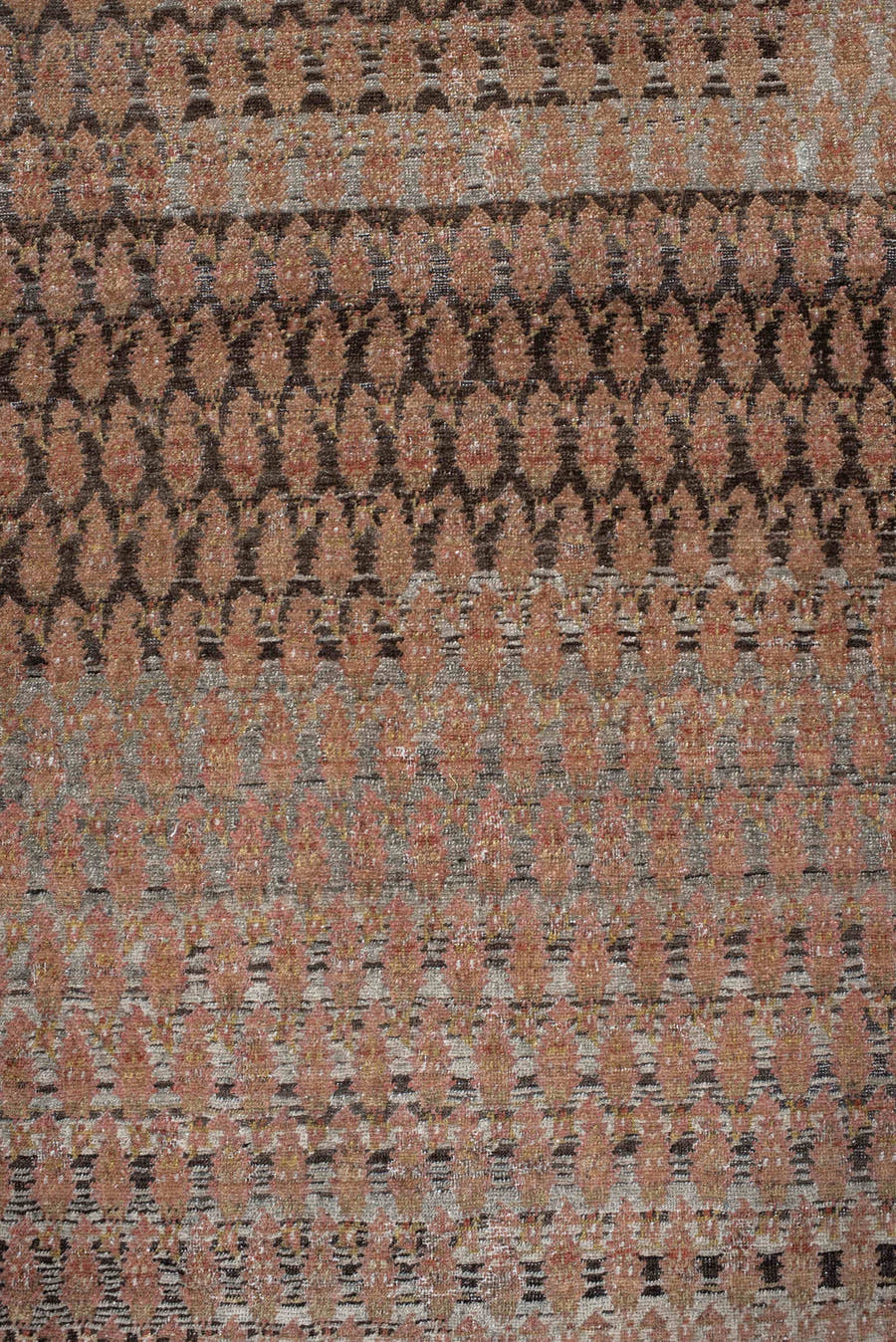
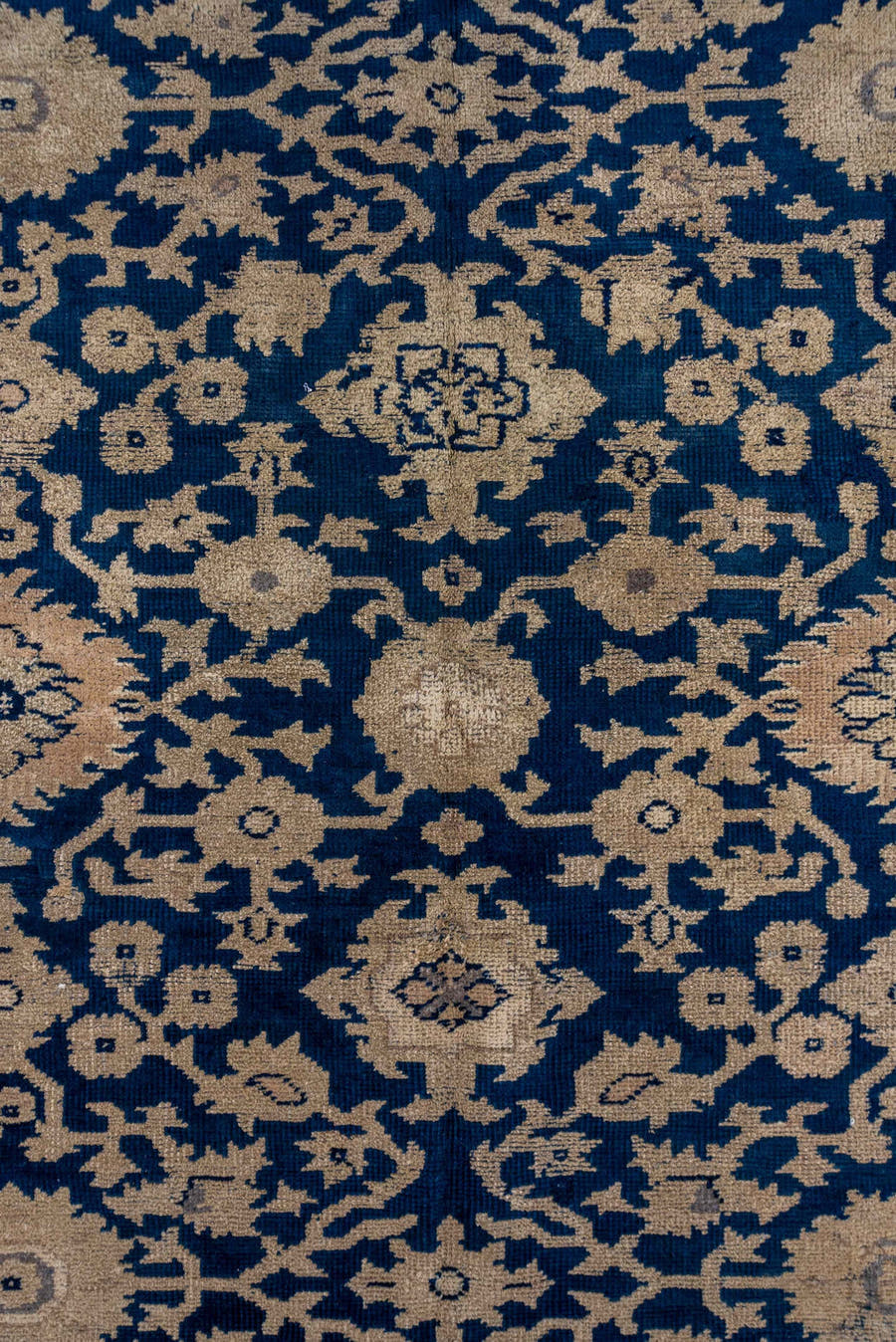
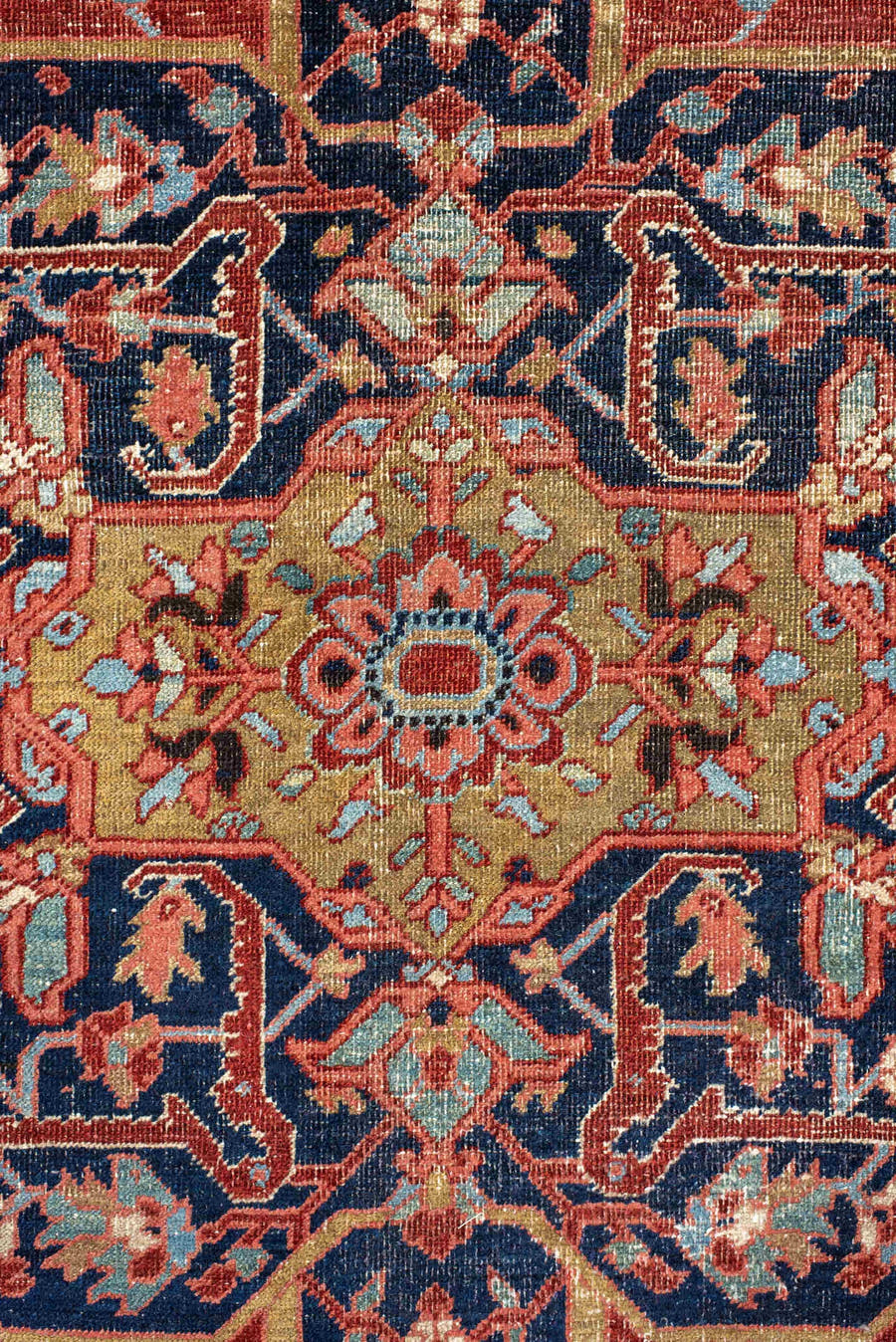
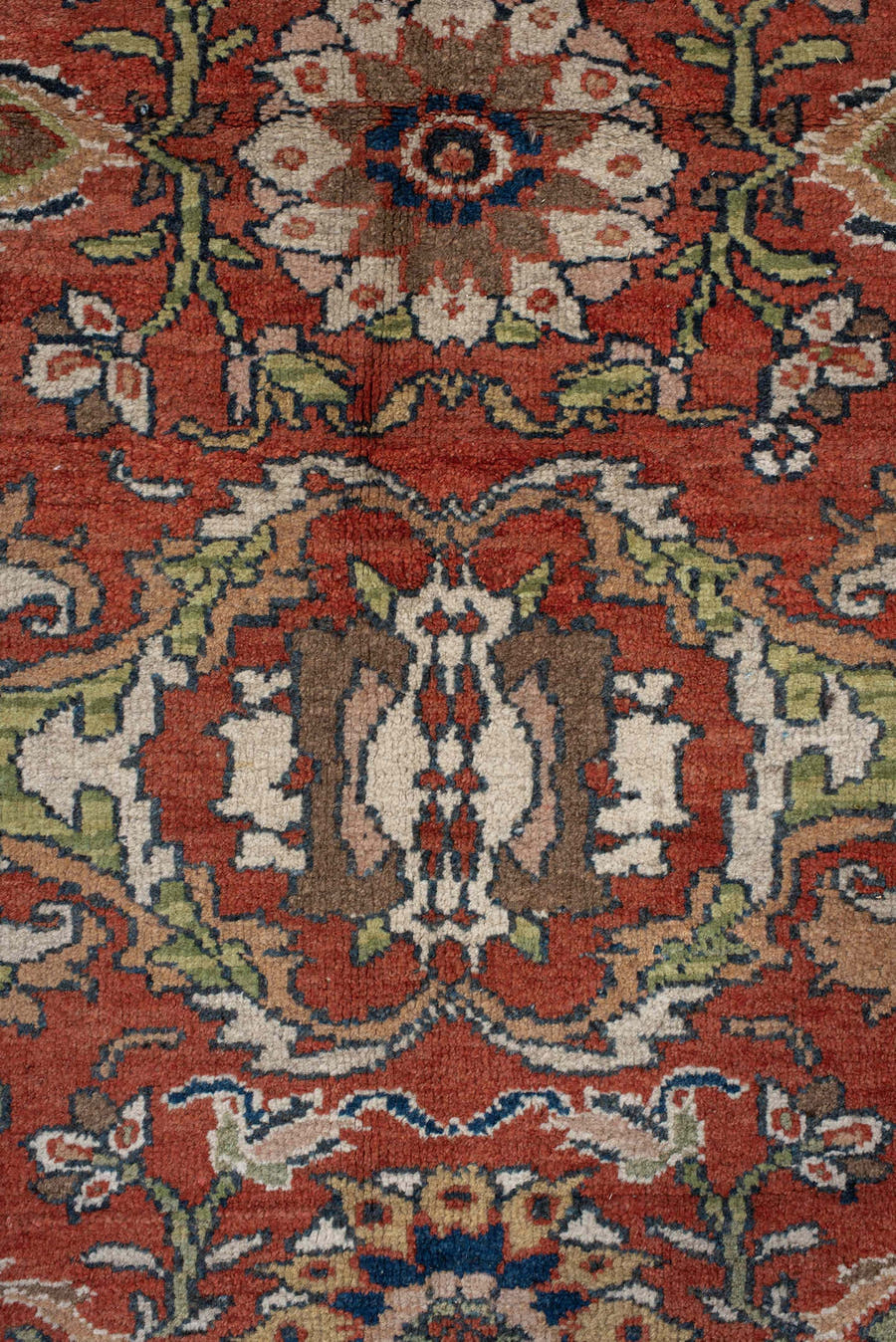
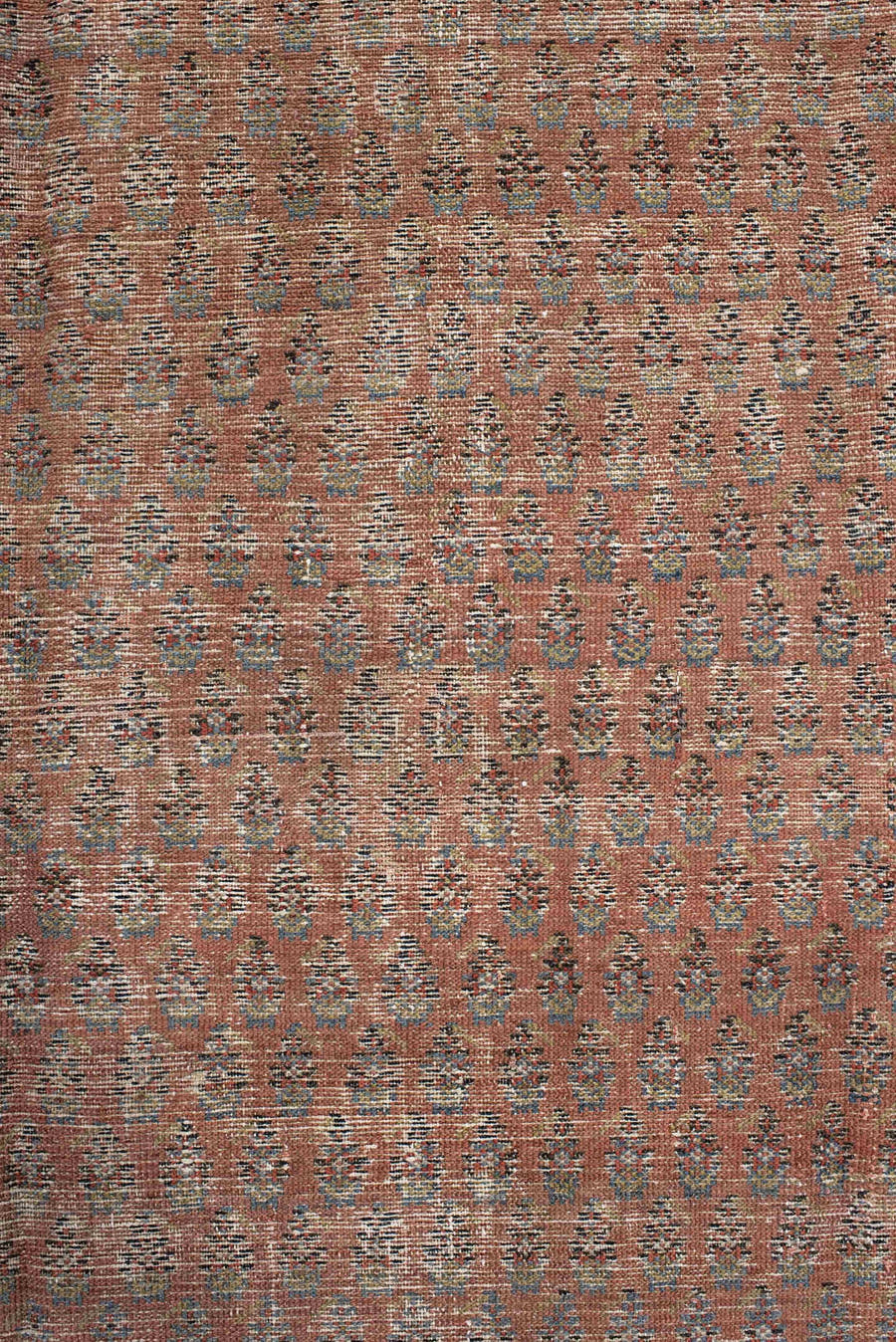
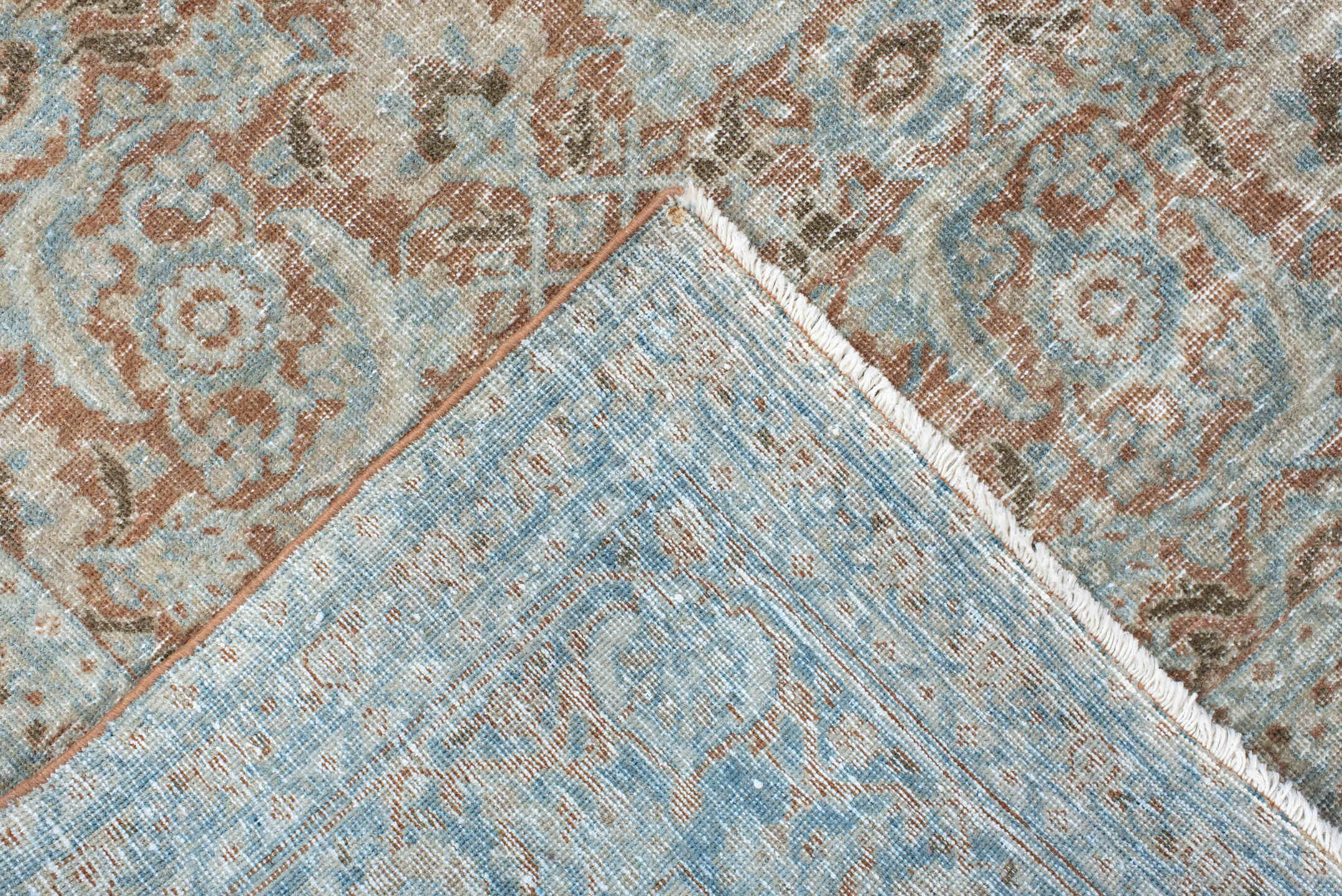
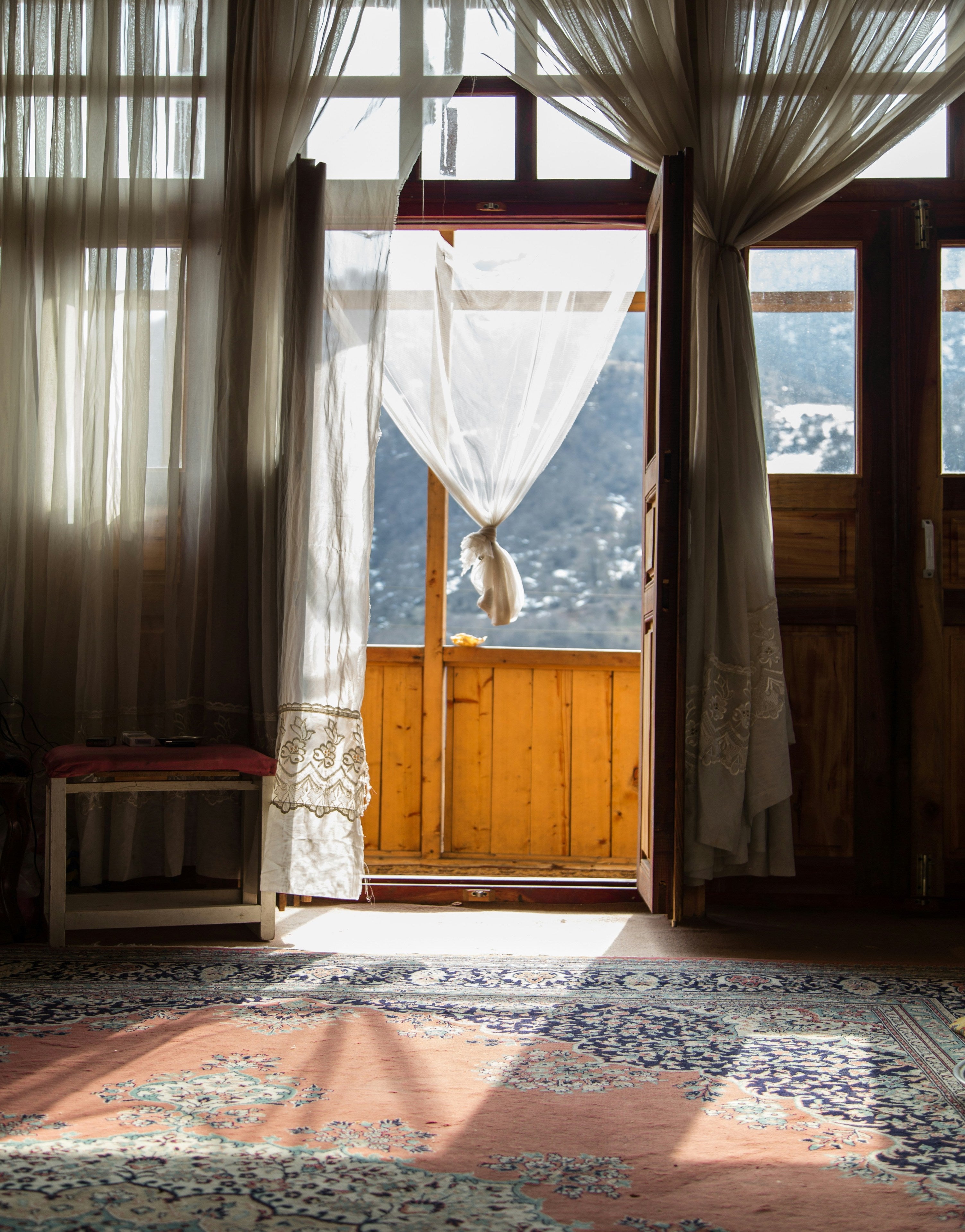
This antique Karabagh rug from the Caucasus, circa 1900, is a handmade, one-of-a-kind carpet distinguished by its elongated gallery proportions and richly detailed all-over floral design. The hand-knotted field in rose and terracotta tones is framed by a deep navy border, creating striking contrast and a refined traditional presence with exceptional decorative depth. Its intricate patterning and elegant scale make it an ideal centerpiece for a hallway, living room, or dining area.
Muted warm tones of rose, navy, terracotta, dusty blue, ivory, rust, slate, and burgundy, with a rose field.
Karabagh rugs are made in the south eastern Caucasus close to the Kazak district bordering North Eastern Iran. They have varied designs. Some derive from the classical 18th Century carpets, such as the large medallion format, and some are more formal French influence, related to the Aubusson and Savonnerie styles with their more realistic drawing. They are more often woven on a woolen foundation.
Choose options
Buy with confidence: One-of-a-kind rugs, accurately described, 100% satisfaction guaranteed. Free shipping on every order.
Karabagh rugs are made in the south eastern Caucasus close to the Kazak district bordering North Eastern Iran. They have varied designs. Some derive from the classical 18th Century carpets, such as the large medallion format, and some are more formal French influence, related to the Aubusson and Savonnerie styles with their more realistic drawing. They are more often woven on a woolen foundation.
Buy with confidence: One-of-a-kind rugs, accurately described, 100% satisfaction guaranteed. Free shipping on every order.
Karabagh rugs are made in the south eastern Caucasus close to the Kazak district bordering North Eastern Iran. They have varied designs. Some derive from the classical 18th Century carpets, such as the large medallion format, and some are more formal French influence, related to the Aubusson and Savonnerie styles with their more realistic drawing. They are more often woven on a woolen foundation.