
A hallway is the floor every visitor walks first and the one that gets decorated last. A runner changes that in an afternoon, provided you buy the right size, and size is where most runner purchases go wrong. This guide covers the measurements that matter, the rooms beyond the hall where a runner works, and which weaves and palettes survive being walked on every day. Our Runner Rugs collection holds more than two thousand handmade pieces if you would rather look while you read.
How to size a runner
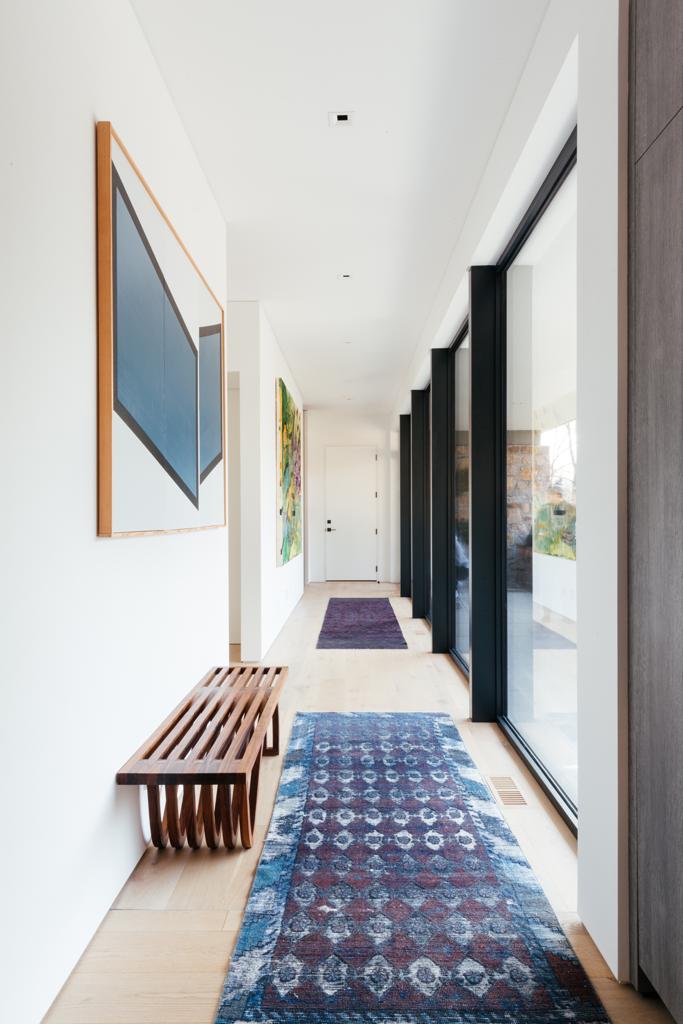
Start with width. Leave four to six inches of bare floor along each long side, so the runner reads as a deliberate choice rather than as wall-to-wall carpet that came up short. A three-foot-wide hall takes a runner of roughly two to two and a half feet. A four-foot hall takes three feet. Wider than that and you are shopping an area rug, whatever the listing calls it.
Then length. Stop six to twelve inches short of the wall at each end and keep the runner clear of any door swing. Handmade runners come in the length the loom gave them rather than in round numbers, so measure the hall, subtract a foot or two, and buy the nearest size instead of the exact one. Entries and short halls sit in the three-by-seven and three-by-nine range, like the Antique Hamadan Runner Rug (3' x 7'). Center halls in older houses often want twelve feet or more, which is where a piece like the Antique Malayer Runner Rug (3' x 16') earns its length.
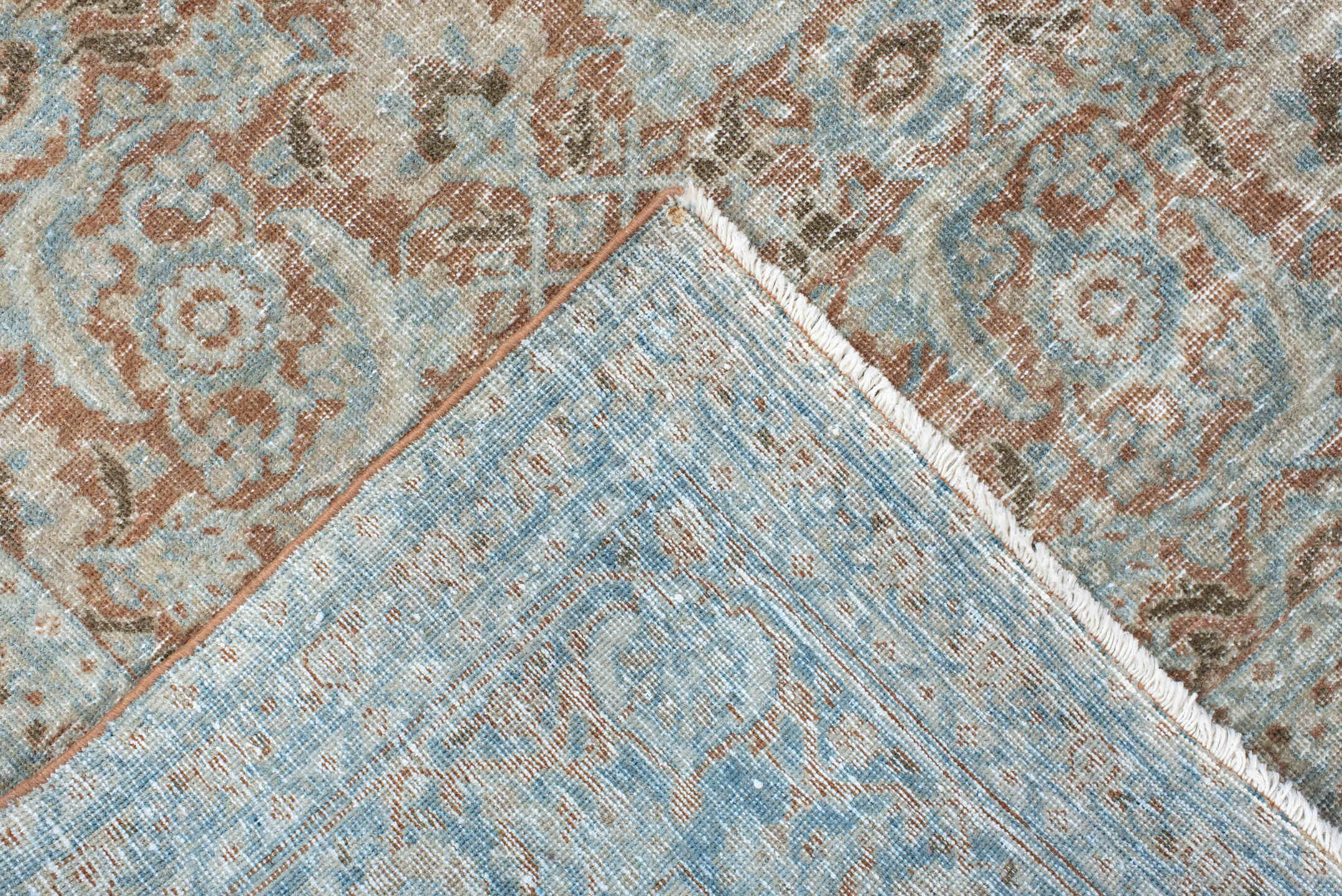
Two checks before you buy. Measure the gap under every door the runner passes: a hand-knotted wool runner sits about half an inch off the floor, and a door that already scrapes will not clear it. A flatweave solves that, and our Kilim Runner Rugs lie low enough to slide under almost any door. Second, if the hall runs past twenty feet, two runners with a foot of bare floor between them look better than one enormous piece, and you can swap their positions when one end starts to show more wear than the other.
Where a runner earns its keep
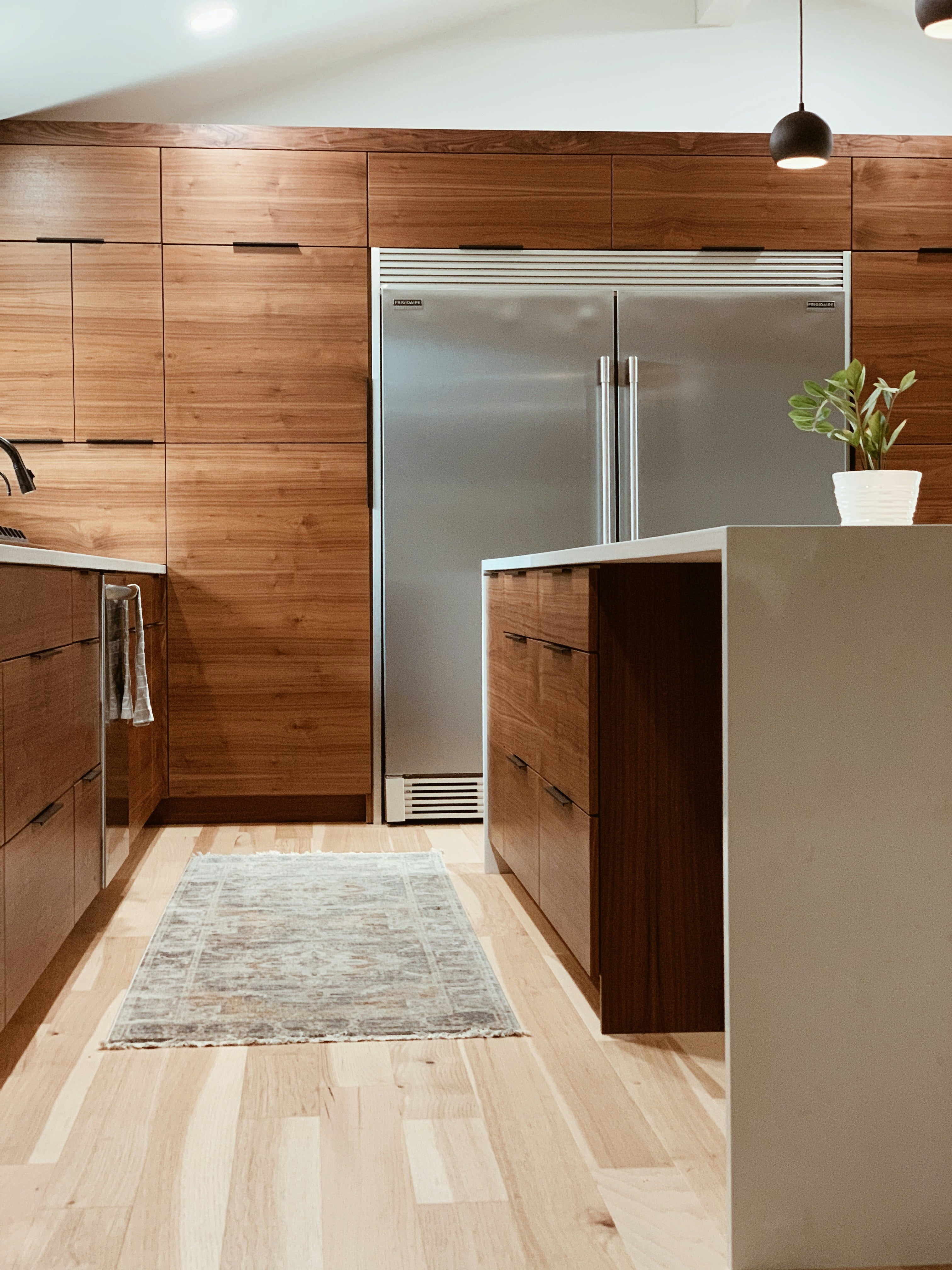
The hall is the obvious placement and not the only one. A galley kitchen takes a runner straight down the middle; a kitchen with an island takes one along the sink and prep run, not under the island where stools will catch it. Entries collect more grit than any other floor in the house, so the first few feet inside the door are worth covering with something you can carry outside and shake out.
Bedrooms take runners two ways: one across the foot of the bed, or a matched pair down either side in place of a single large rug under the whole frame. The pair costs less and covers the floor you actually stand on. A wider piece like the Vintage NW Persian Runner Rug (4' x 8') spans the foot of a queen bed with room to spare. Stairs are the one placement to think through first: a stair runner is cut and fitted to the treads by an installer, so buy for the landing and let a professional handle the staircase itself.
Which weave for which hallway
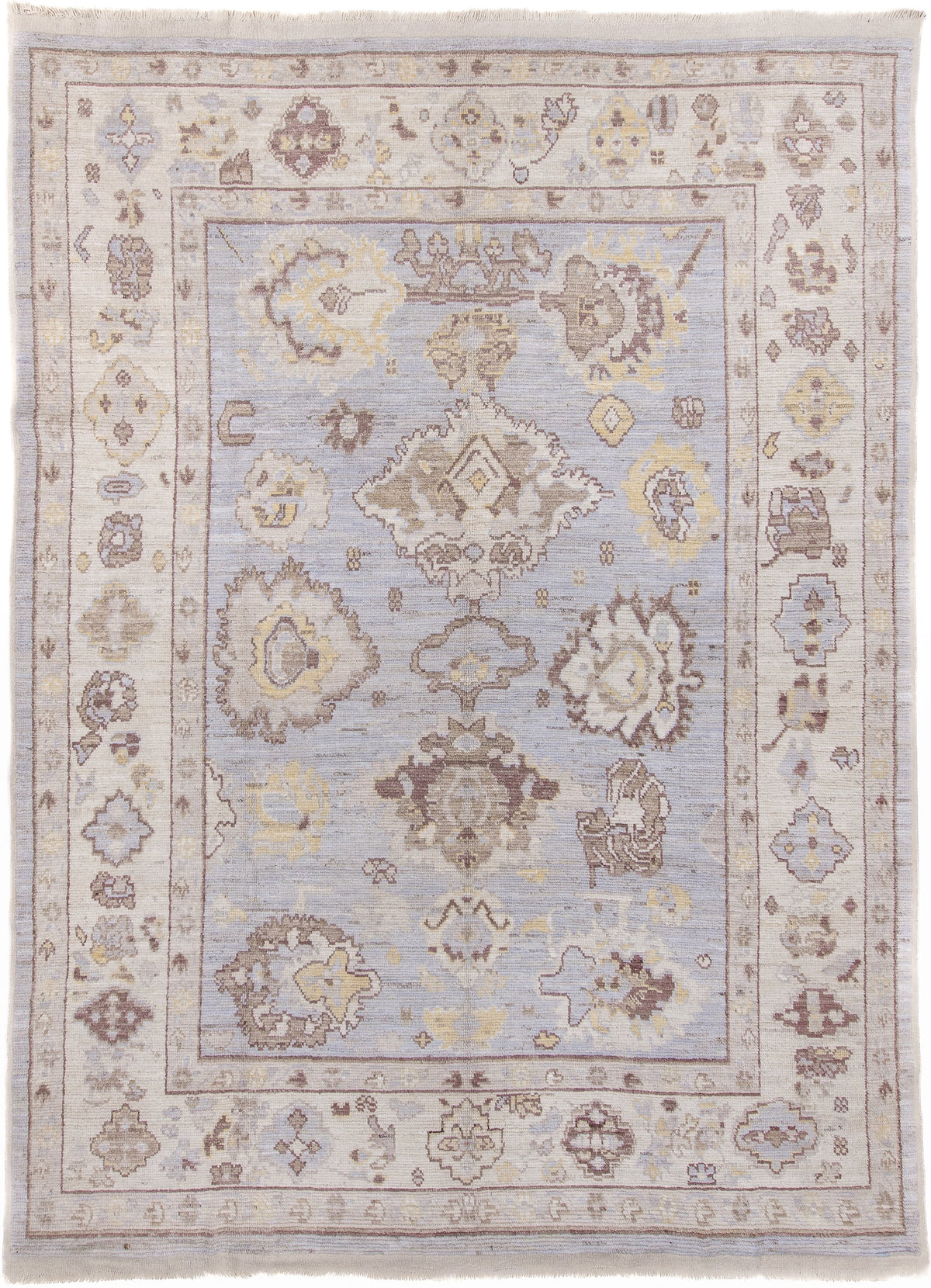
The weave decides how loud the floor gets. Turkish Oushak runners are drawn at a large scale with spacious pattern and soft color, which keeps a narrow hall from feeling busier than it already is. Malayer runners are the Persian workhorse of the format, a dense weave with a small repeating design that disguises traffic and holds its shape down a long span. Moroccan runners go the other way, undyed wool in ivory and brown with simple diamond lines, which suits a modern hall or a room where the art should do the talking.
 Oushak Runner Rugs
Spacious drawing for a narrow hall.
Shop
Oushak Runner Rugs
Spacious drawing for a narrow hall.
Shop
 Malayer Runner Rugs
Dense Persian weave that disguises traffic.
Shop
Malayer Runner Rugs
Dense Persian weave that disguises traffic.
Shop
 Moroccan Runner Rugs
Undyed wool and simple diamond lines.
Shop
Moroccan Runner Rugs
Undyed wool and simple diamond lines.
Shop
Those three are a starting point rather than the whole field. If you want to compare weaving traditions side by side, the wider Persian Runner Rugs group covers Heriz, Sarab, Hamadan, and Bidjar, and Antique Runner Rugs narrows the same catalog to pieces eighty years and older.
Palette, and how a runner wears
Palette counts for more in a hallway than almost anywhere else, because most halls have no window of their own. Overdyed runners are washed in a single saturated color over the original pattern, which gives a dim corridor one clear note to work with. Faded runners have had their color softened by decades of sun and use, so the hall stays quiet where it opens into a room already carrying pattern. Neutral runners in ivory, sand, and brown are the answer when wallpaper or art is doing the work. Whichever way you go, an all-over pattern hides footfall better than an open field does, and any runner lasts longer if you vacuum it without a beater bar and turn it end for end once a season.
 Overdyed Runner Rugs
One saturated color over the old pattern.
Shop
Overdyed Runner Rugs
One saturated color over the old pattern.
Shop
 Faded Runner Rugs
Color softened by decades of sun.
Shop
Faded Runner Rugs
Color softened by decades of sun.
Shop
 Neutral Runner Rugs
Ivory, sand, and brown that stay quiet.
Shop
Neutral Runner Rugs
Ivory, sand, and brown that stay quiet.
Shop
Measure the hall first, then the doors, then shop the length you actually have. Every runner in the shop is one of a kind, so the piece that fits your measurements is worth taking when you find it.
One of a kind, photographed flat Every runner in the shop, on one page Explore All Runner Rugs