
A faded rug is the easiest handmade rug to live with. Its color has already done its settling, so nothing in the room has to be matched to it, and the pattern reads as texture from across the floor instead of as a statement you have to commit to. That is the appeal of Faded Rugs, and it explains why the look moved from the discount end of the trade to the thing designers now ask for by name.
It also creates a problem for shoppers, because "faded" covers three different things happening to the wool, and they are not equally worth paying for. Here is what is actually going on with the color, and how to choose a piece once you can tell the difference.
what makes a rug fade
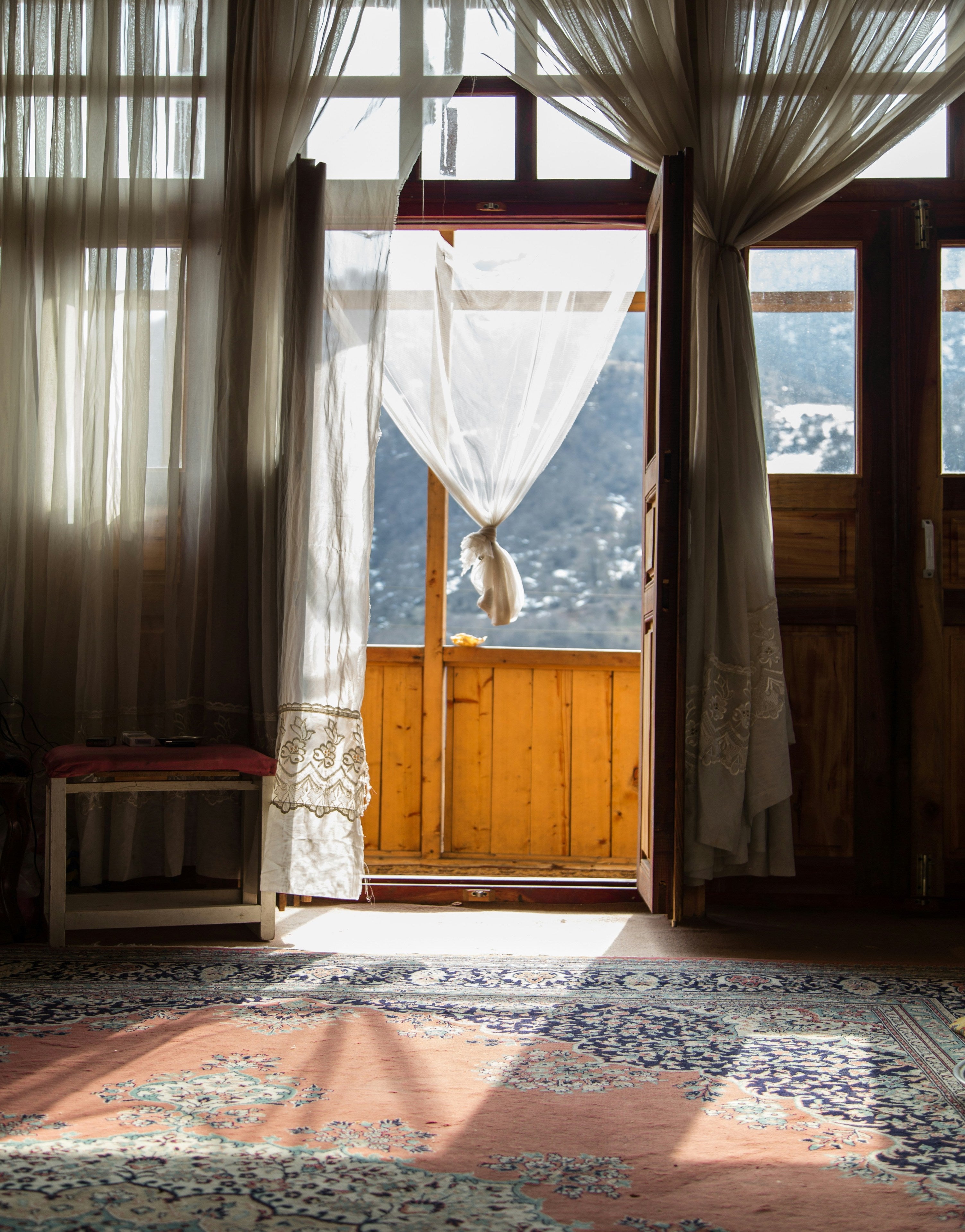
Sunlight is the cause everyone knows about. A rug that spent years in a room with south-facing windows gives up its reds first and its yellows next, and what is left is the blue and brown structure of the pattern under a warm haze. The change is uneven by definition, stronger along the edge that faced the window, and that unevenness is most of what makes an old rug read as old rather than as washed out.
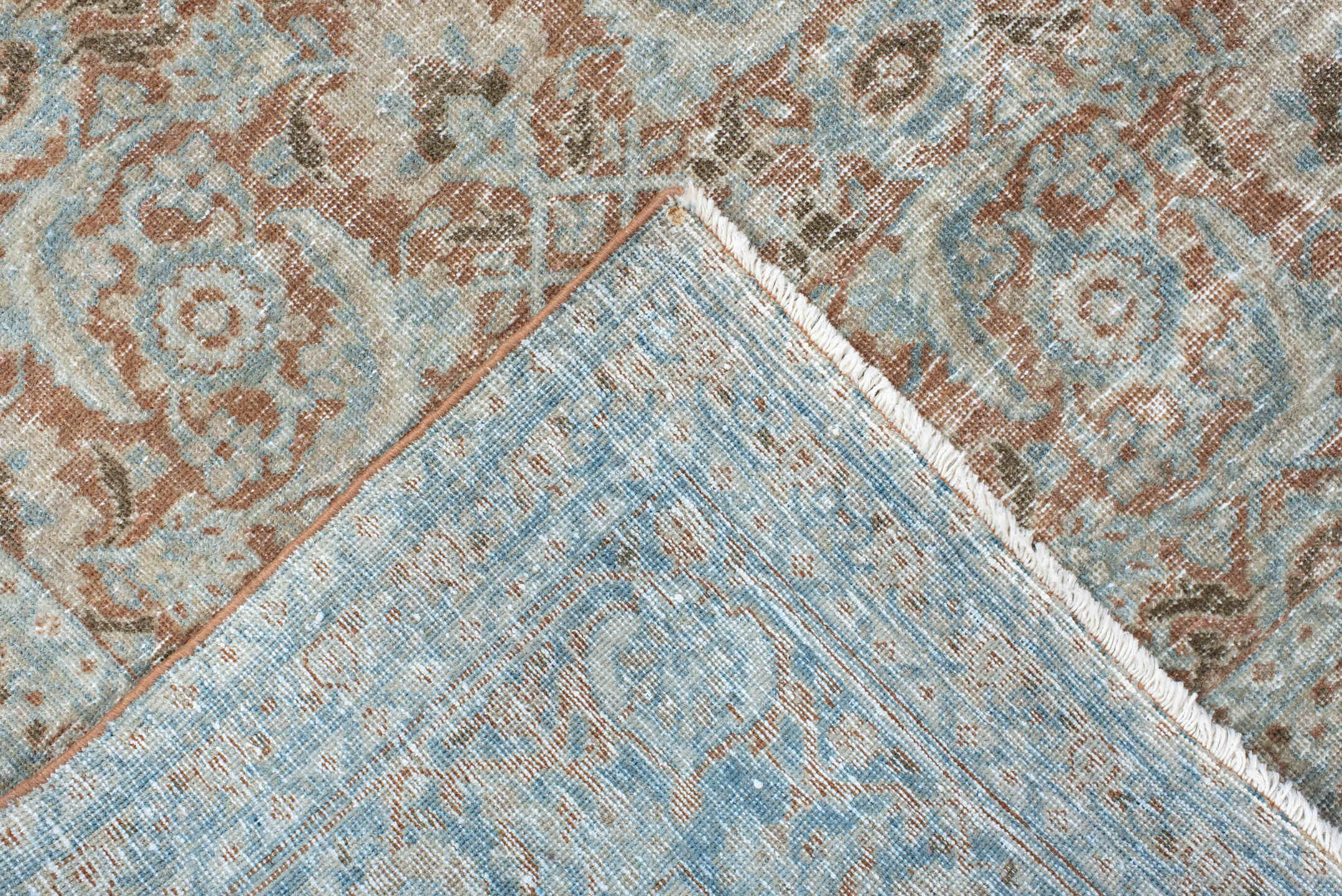
Washing and foot traffic do the second kind. Wool that has been walked on and cleaned for generations loses dye from the outside of every fiber, so the surface goes pale while the base of each knot stays dark. Bend the pile back on a rug like that and the original color is sitting an eighth of an inch down.
The third kind never faded at all; it was woven in. Wool was dyed in small batches, no two batches came out identical, and a weaver working across a wide field would finish one lot and carry on with the next. The result is a band of slightly different color running across the rug. On a machine-made rug that would be a flaw. On a hand-knotted one it is the reason a large field never goes flat, and it is usually the first thing a dealer points at. Anyone shopping for a distressed vintage rug is after some mix of these three: low contrast, visible age, no actual damage. Why Faded Vintage Rugs Look Intentional, Not Worn makes the longer version of that case.
why less color costs more
A faded rug is not a damaged rug sold cheap, and the price usually reflects that. Natural dyes soften as they age: madder red moves to terracotta and then to a dusty rose, indigo drifts toward slate, and the whole palette stays related to itself the entire way down. Early synthetic dyes do not behave like this. They go muddy or gray, and no amount of age improves them.
So a rug that has faded beautifully is evidence of good wool and good dye before it is anything else, which is the same evidence a buyer would otherwise pay a specialist to confirm. Supply does the rest, because a rug in this condition cannot be ordered; it has to have been made well and then lived in for a long time. Pattern counts as much as palette here. Dense floral work goes soft and almost watercolor as the contrast drops, which is why Faded Floral Rugs stay quiet in rooms where a sharp geometric would insist on being noticed.
where the softest palettes come from
Not every rug fades into something worth buying, and the ones that do tend to come from the same few places. Part of that is the dye and part of it is the fleece: highland wool with a high lanolin content takes dye deep into the fiber and gives it up slowly, so the color thins evenly instead of patching out.
Three weaving traditions account for most of what you will actually find. Turkish Oushak weavers used a spacious layout and a light palette from the start, so a piece like this Vintage Oushak Area Rug (8' x 10') arrives at sage, apricot and ivory rather than fading down to it. Elsewhere in Turkey, Sivas and Anatolian workshops wove a heavier wool that washes to a warm gray, the palette in this Vintage Sivas Area Rug (9' x 12'). Persian village weaving fades differently again: Malayer, Heriz and Mahal pieces keep their pattern and lose their contrast, so the design stays completely legible while the color recedes, as in this Antique Malayer Area Rug (6' x 9').
 Faded Oushak Rugs
Sage, apricot and ivory, woven that way from the start.
Shop
Faded Oushak Rugs
Sage, apricot and ivory, woven that way from the start.
Shop
 Faded Turkish Rugs
Sivas and Anatolian wool, washed to a warm gray.
Shop
Faded Turkish Rugs
Sivas and Anatolian wool, washed to a warm gray.
Shop
 Faded Persian Rugs
Malayer and Heriz pattern that stays legible as the color recedes.
Shop
Faded Persian Rugs
Malayer and Heriz pattern that stays legible as the color recedes.
Shop
how to place one
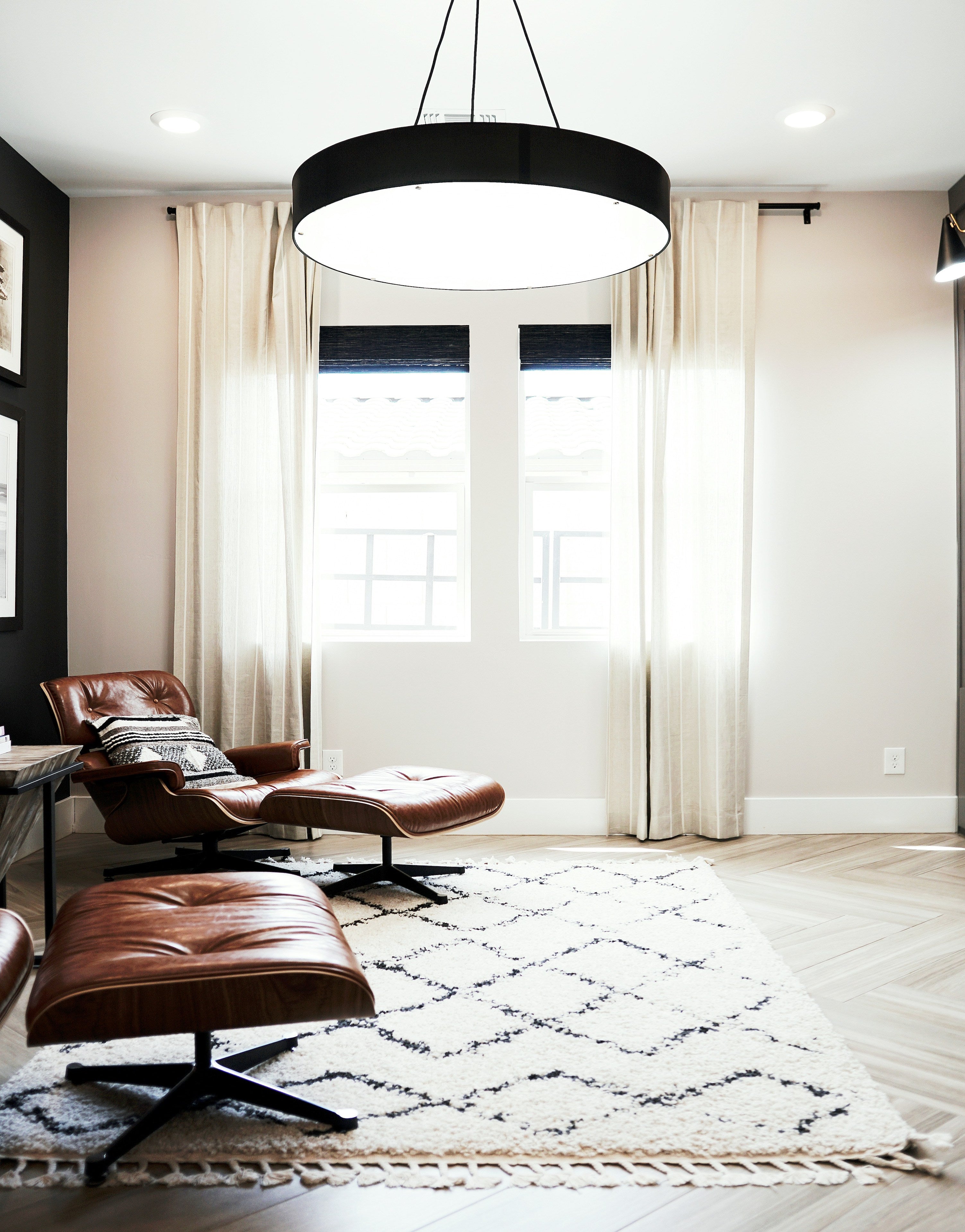
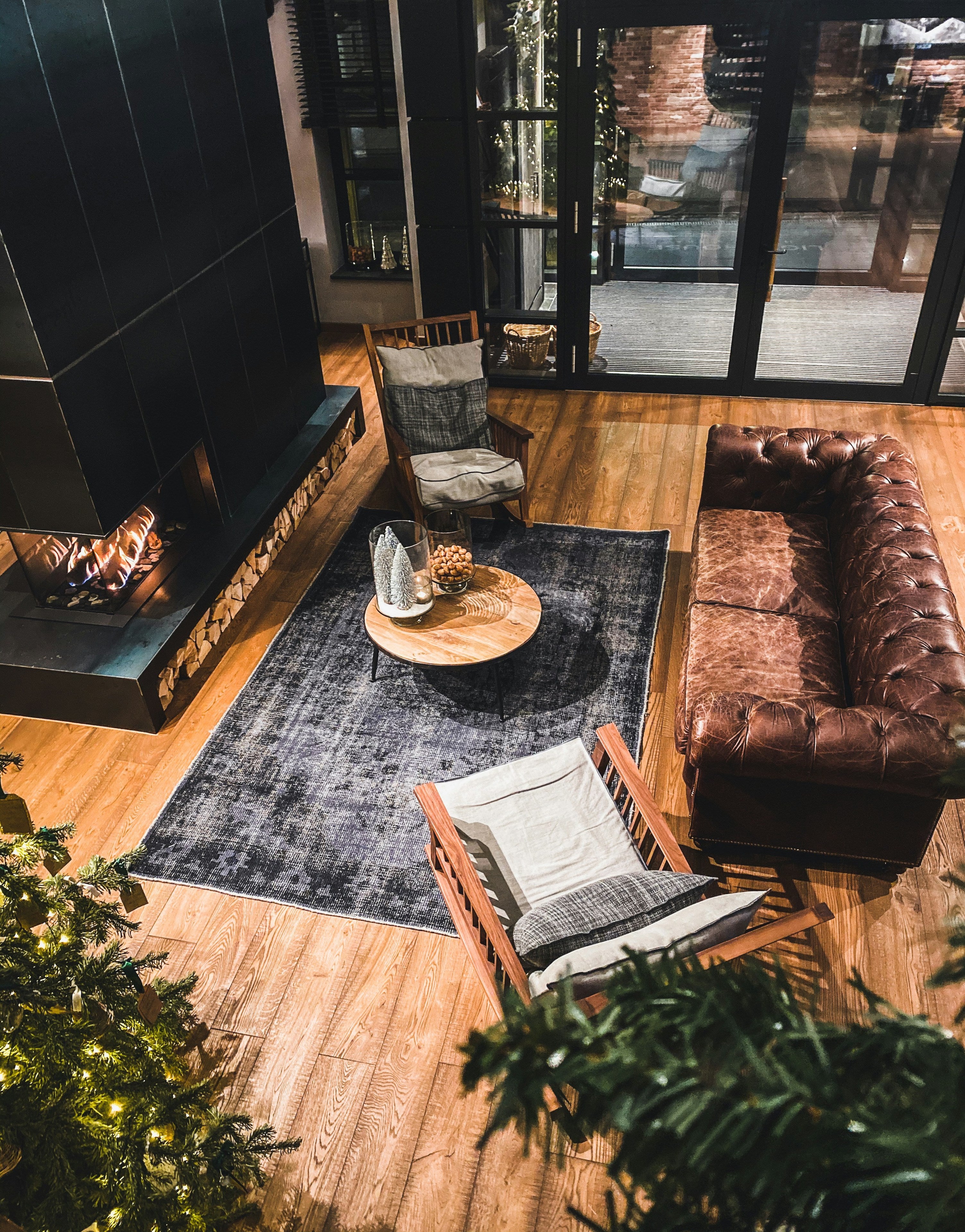
A faded rug asks less of a room than a saturated one, and that changes where it can go. It will sit under a dark walnut table and next to a white slipcovered sofa without taking a side, and it forgives a wall color you have not chosen yet.
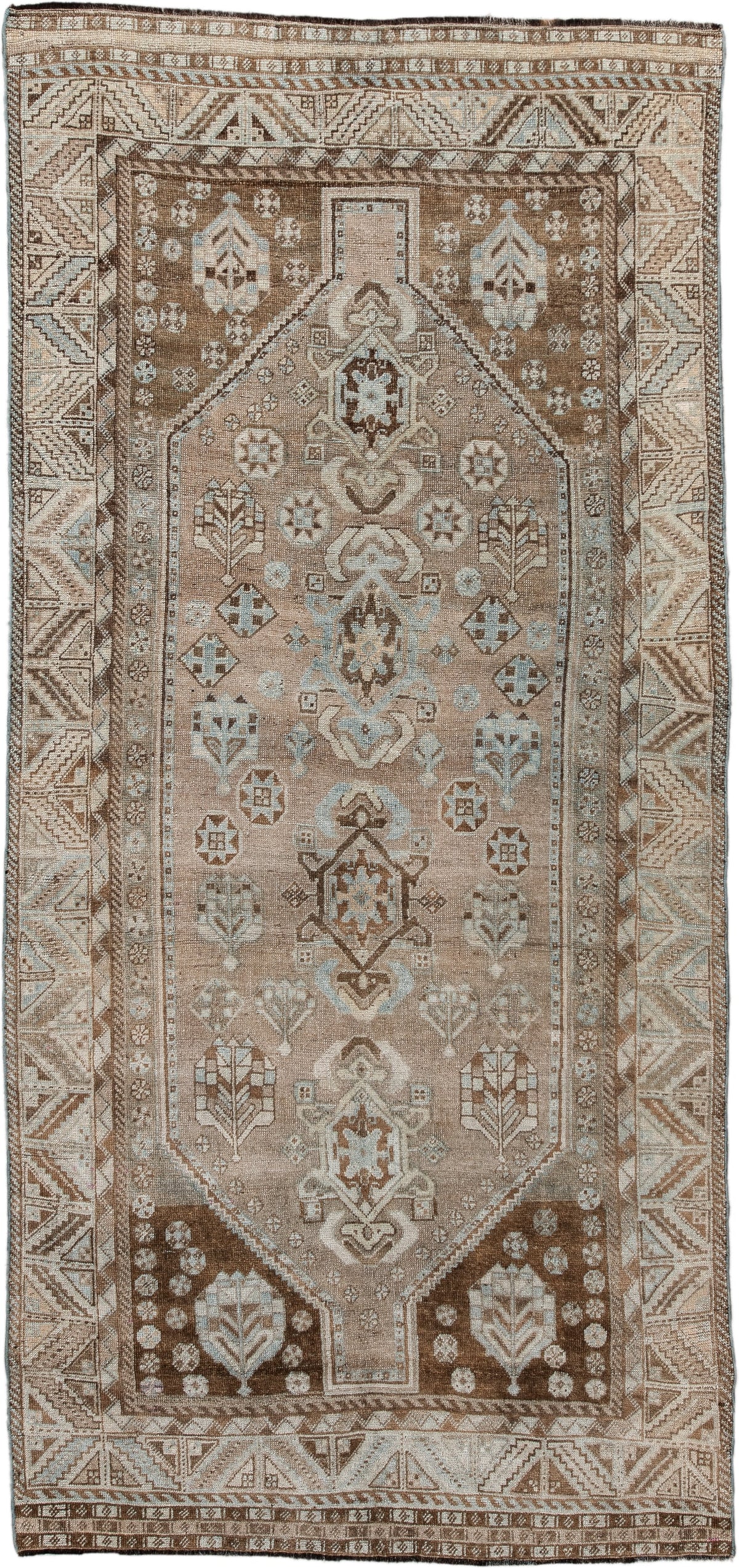
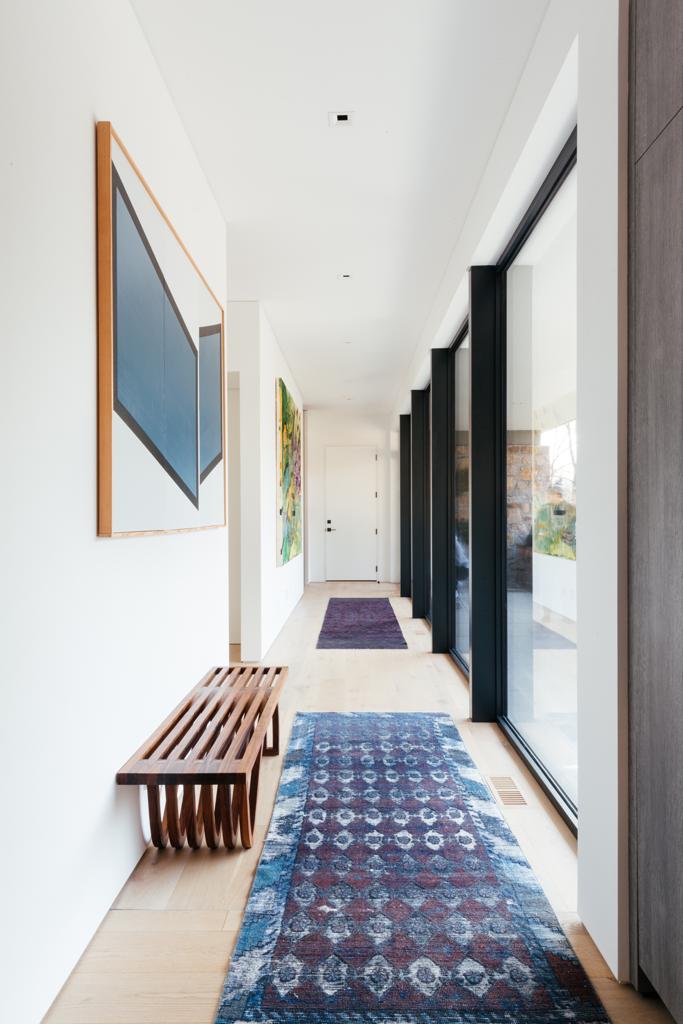
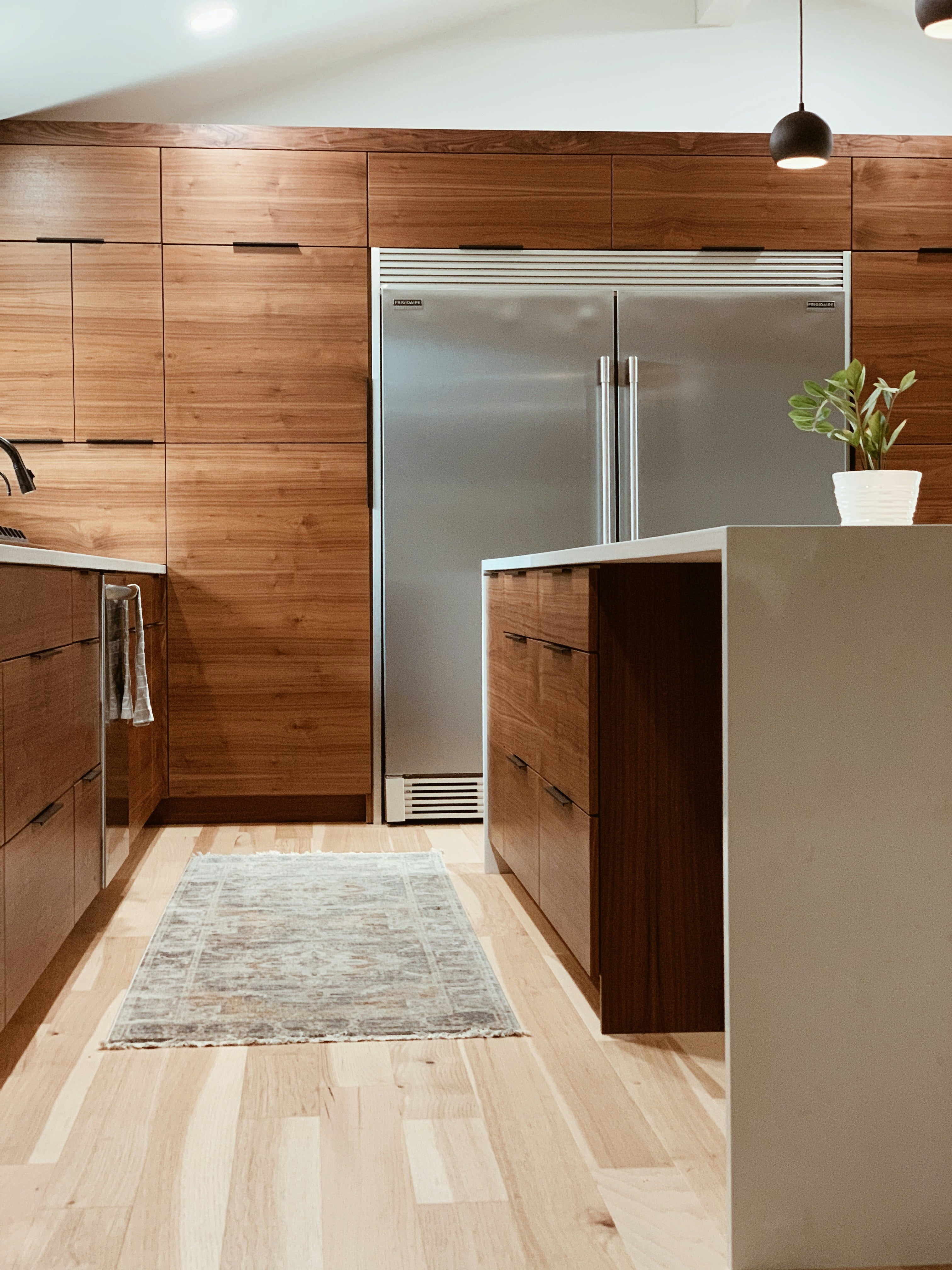
A hallway or a galley kitchen wants a runner, and a faded one carries pattern the length of the floor without turning the corridor into an event; this Vintage NW Persian Runner Rug (4' x 8') is the type, camel and soft brown, tribal pattern, nothing that argues with the walls. A bedroom or a study wants blue, which is the safest color decision in the house once it has softened enough to behave like a neutral, as in this Vintage Heriz Area Rug (9' x 12'). A dining room wants size before it wants anything else: a 9 x 12 keeps the chairs on the rug when they push back from the table, and a faded field is the one kind that covers that much floor without dominating the room.
 Faded Runner Rugs
Pattern down a hallway that never turns into an event.
Shop
Faded Runner Rugs
Pattern down a hallway that never turns into an event.
Shop
 Faded Blue Rugs
Softened blue, quiet enough to behave like a neutral.
Shop
Faded Blue Rugs
Softened blue, quiet enough to behave like a neutral.
Shop
 9' x 12' Faded Rugs
The size a dining table needs once the chairs push back.
Shop
9' x 12' Faded Rugs
The size a dining table needs once the chairs push back.
Shop
Keeping a rug at the shade you bought it is the easy part. Rotate it a half turn each season so the light reaches it evenly, vacuum without a beater bar, and hand spills to a professional cleaner rather than anything under the sink. Fading that took generations to arrive at is worth not accelerating.
The category is easier to shop than it sounds, because the palette does most of the filtering for you. Decide how much contrast you want underfoot, then let the room and the size narrow the rest. Every piece is hand-knotted wool, one of a kind, and photographed flat so you can see exactly how far the color has already traveled.
One of a kind, photographed flat Every faded rug in the shop, on one page Shop All Faded Rugs