

A Tulu does something most handmade rugs cannot: it brings real wool texture into a plain room without bringing pattern along with it. The pile is long and loosely knotted, the palette usually stops at two or three colors, and the whole rug reads as surface rather than design. That is why the wider market sells the type as a Turkish shag rug.
This guide covers what a Tulu actually is, how it differs from the Moroccan shag it gets mistaken for, and how to pick one by palette and by size. Our Tulu Rugs collection holds several hundred in stock if you would rather look while you read.
What makes a rug a Tulu
Every Tulu is hand-knotted, but it is knotted differently from the rugs most people picture. Weavers in central Anatolia set the knots further apart and left the wool long instead of shearing it close, so the finished surface is deep and loose where a Persian or Turkish city rug is tight and flat. The name comes from tüylü, Turkish for hairy, and it describes the result exactly.
The wool is the other half of it. Tulus were woven from long-staple Anatolian fleece, often carrying mohair from angora goats, which is why an old one still has a silky give that no synthetic shag develops. The drawing stays simple to match: an open ivory field, a few wide stripes, a band of color at one end, now and then a single loose medallion. These were household rugs, woven for sleeping on and sitting on rather than for export, and almost everything in the shop is old enough to show it. Our Vintage Tulu Rugs collection is where nearly the whole type sits.
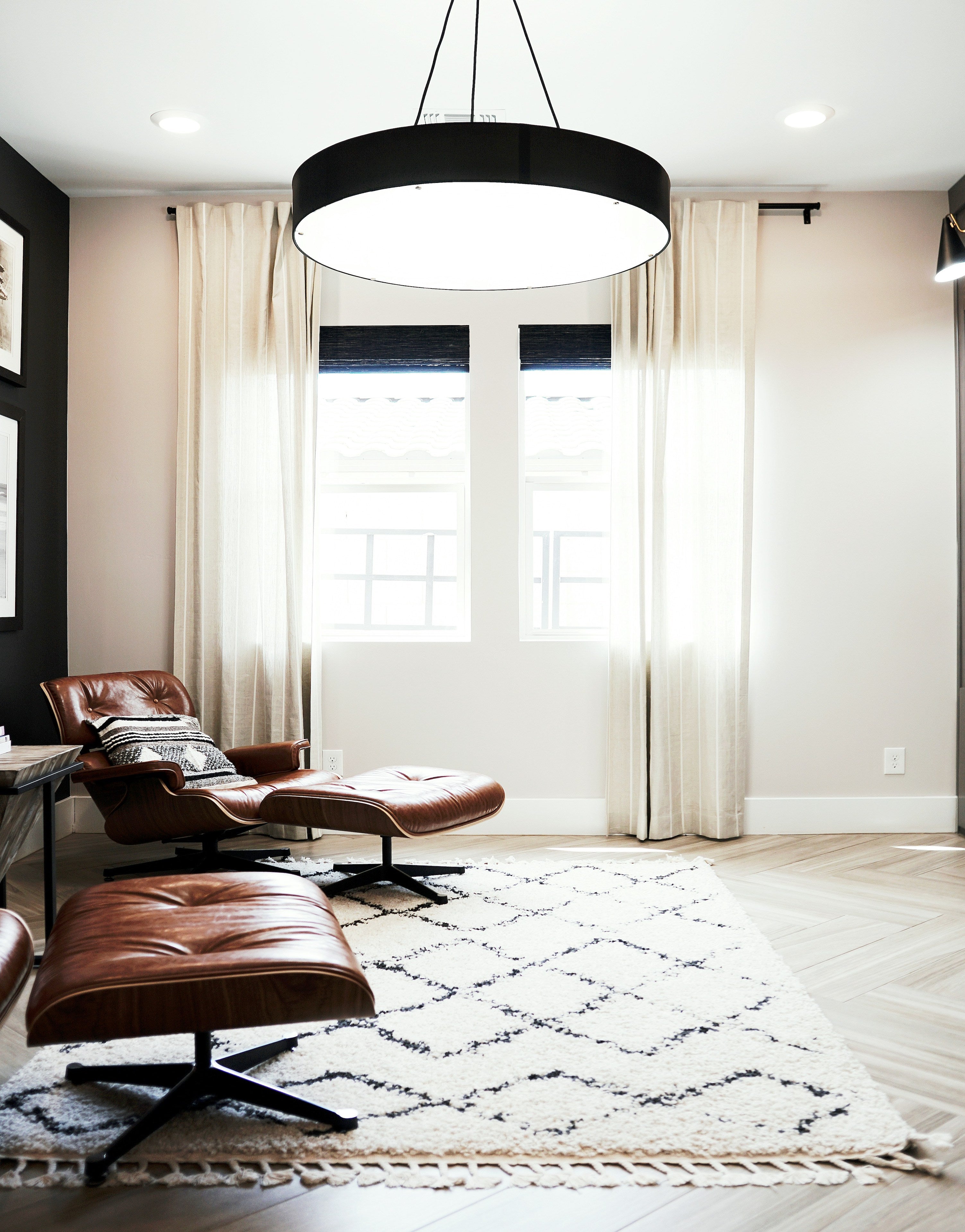
Tulus get confused with the Moroccan Beni Ourain, and the two do share a long pile and a pale ground. The difference is the drawing. A Moroccan carries a charcoal diamond lattice across the entire field, while a Tulu leaves the field open and puts its color into stripes, blocks, or nothing at all. If the lattice is what you want, our Moroccan Rugs collection has it; if you want the quieter floor, stay with the Turkish weave.
Choosing one by palette
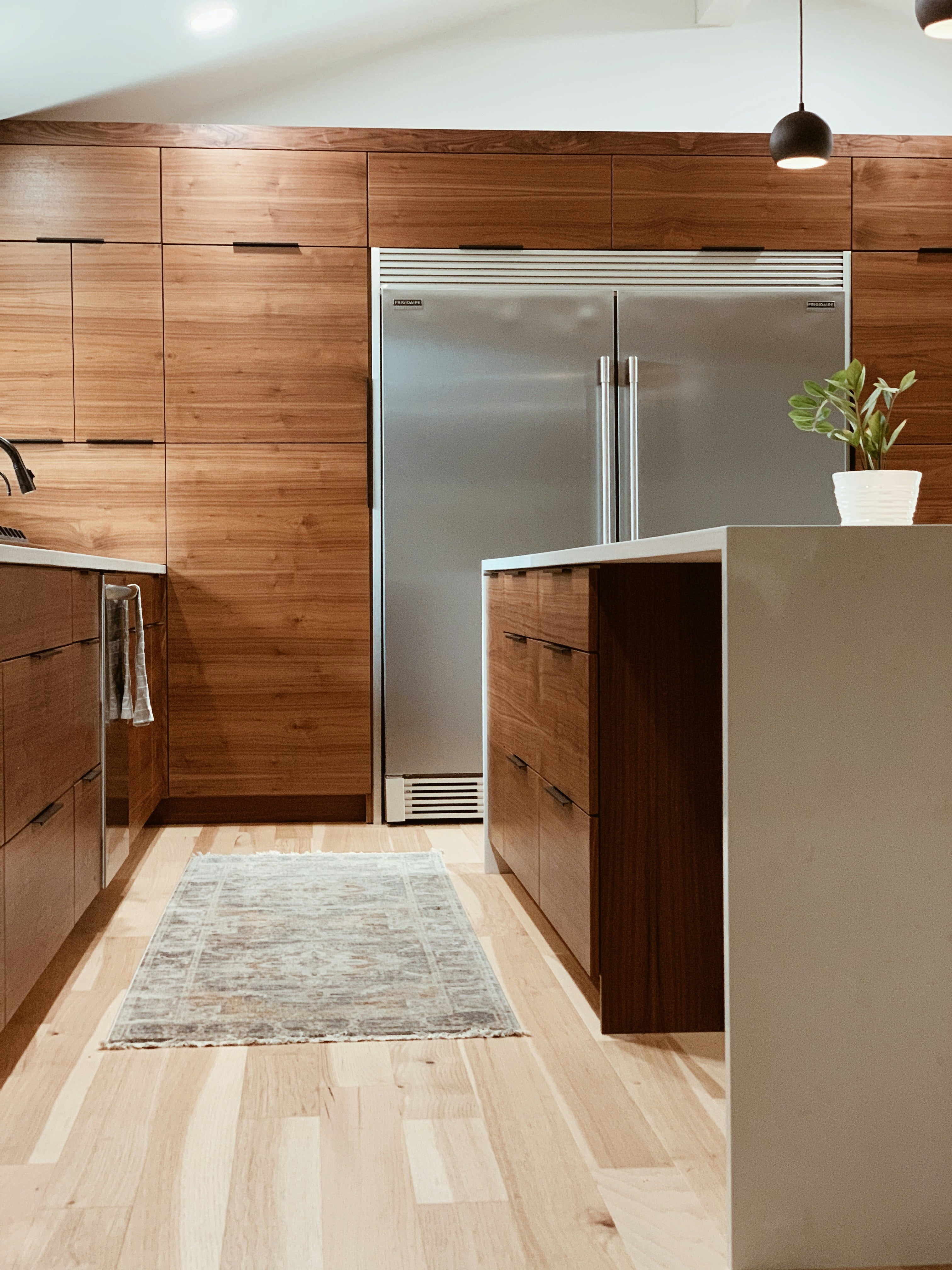
The reason Tulus keep turning up in modern interiors is that they add warmth without adding a scheme. An ivory Tulu behaves like a texture rather than a color, so it sits under whatever palette a room already has, which is what the Vintage Tulu Area Rug (8' x 10') does on a pale oak floor. A neutral Tulu in taupe, beige, and soft gray gives you the same quiet with a little more depth underfoot. And the minimalist end of the type, the pieces woven with no medallion and no border at all, leaves a low modern sofa nothing to argue with.
 Ivory Tulu Rugs
Texture rather than color, under any palette.
Shop
Ivory Tulu Rugs
Texture rather than color, under any palette.
Shop
 Neutral Tulu Rugs
Taupe, beige, and soft gray, with more depth.
Shop
Neutral Tulu Rugs
Taupe, beige, and soft gray, with more depth.
Shop
 Minimalist Tulu Rugs
No medallion, no border, nothing to argue with.
Shop
Minimalist Tulu Rugs
No medallion, no border, nothing to argue with.
Shop
Contrast is worth watching as you browse. Some Tulus started quiet and stayed that way; others have had their color softened by decades of light and use, which is what our Faded Tulu Rugs gather. Both look calmer in a room than they do on a screen, since a long pile throws small shadows that flatten out in a photograph.
Sizing, from hallway to living room
Where a Tulu goes usually comes down to one question: a runner or an area rug. A hallway or a galley kitchen wants the runner, and the Vintage Tulu Runner Rug (3' x 12') is long enough for most center halls. A bedroom wants a large Tulu set so it clears the bed on three sides, which puts wool where your feet land in the morning, and the Vintage Tulu Area Rug (9' x 12') does that for a queen with margin to spare.
 Tulu Runner Rugs
Hallway and kitchen lengths, pile and all.
Shop
Tulu Runner Rugs
Hallway and kitchen lengths, pile and all.
Shop
 Large Tulu Rugs
Bedroom scale, wool where your feet land.
Shop
Large Tulu Rugs
Bedroom scale, wool where your feet land.
Shop
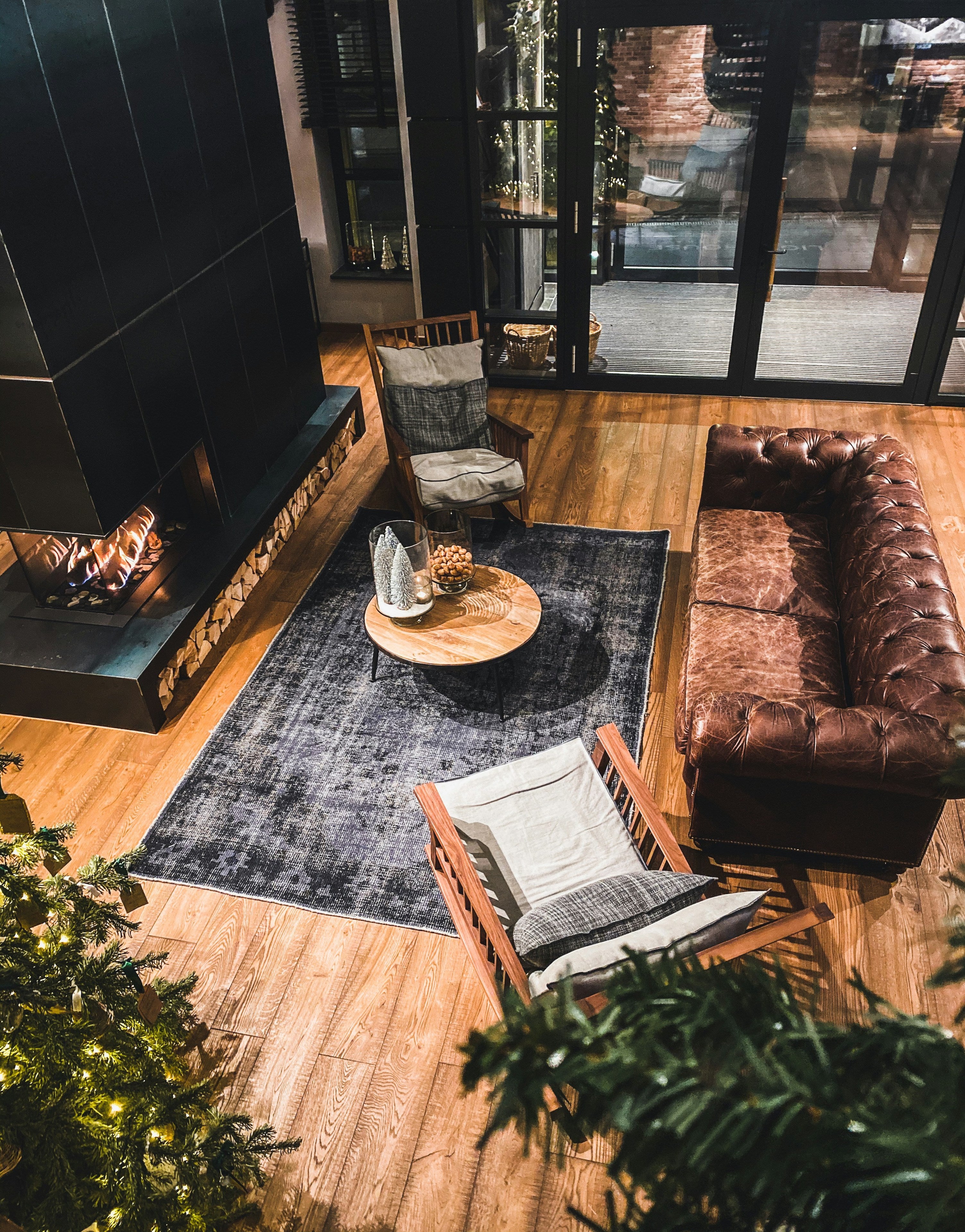
Tulus also scale up further than people expect from a village weave. The Vintage Tulu Area Rug (12' x 15') takes a full living room seating group with every leg on the rug, which is the sizing rule worth holding to: all legs on, or at minimum the front legs of every seat. A long pile makes a too-small rug look smaller still, so when a size is borderline, go up.
Living with a long pile
A deep pile is more forgiving than it looks. Vacuum with the beater bar switched off so the wool is lifted rather than chewed, and rotate the rug once or twice a year so light and foot traffic land evenly across it. Smaller pieces benefit from a shake outdoors now and then. Send spills to a professional rug cleaner, because the same depth that makes a Tulu comfortable holds moisture longer than a flatweave does.
Start with the room that has the least going on: the bedroom with a bare floor, the reading corner that never warmed up, the hallway that echoes. A Tulu will not compete with anything already standing in it, which is the whole reason to buy one.
One of a kind, photographed flat Every Tulu in the shop, on one page Explore All Tulu Rugs