
An Oushak is the rug you choose when you want pattern in the room without the room feeling patterned. It is hand-knotted in wool in and around the town of Oushak in western Turkey, a place that has been weaving carpets for more than five centuries, and its signature move is restraint: motifs drawn large, fields left roomy, color washed soft. That combination is why Oushak Rugs have become the carpet decorators reach for first, in traditional rooms and spare modern ones alike.
The name carries real history. Carpets from this region furnished Ottoman palaces and reached Europe early enough that Renaissance painters worked them into portraits. The Turkish Oushak you will actually find in the shop belongs to a later chapter: in the late nineteenth and early twentieth centuries the region's looms turned to room-size carpets for Western homes, woven in softer colors and larger drawing than the court pieces. That revival chapter is the one this guide covers.
How to recognize an Oushak
Scale is the first tell. Where a Persian city carpet fills every inch with detail, an Oushak draws a handful of motifs large, a lobed medallion, angular vines, oversized palmettes, and gives them room to breathe. Borders run wide, the drawing keeps a slightly loose, hand-drawn quality, and the whole surface is made to be read from across the room rather than studied up close.

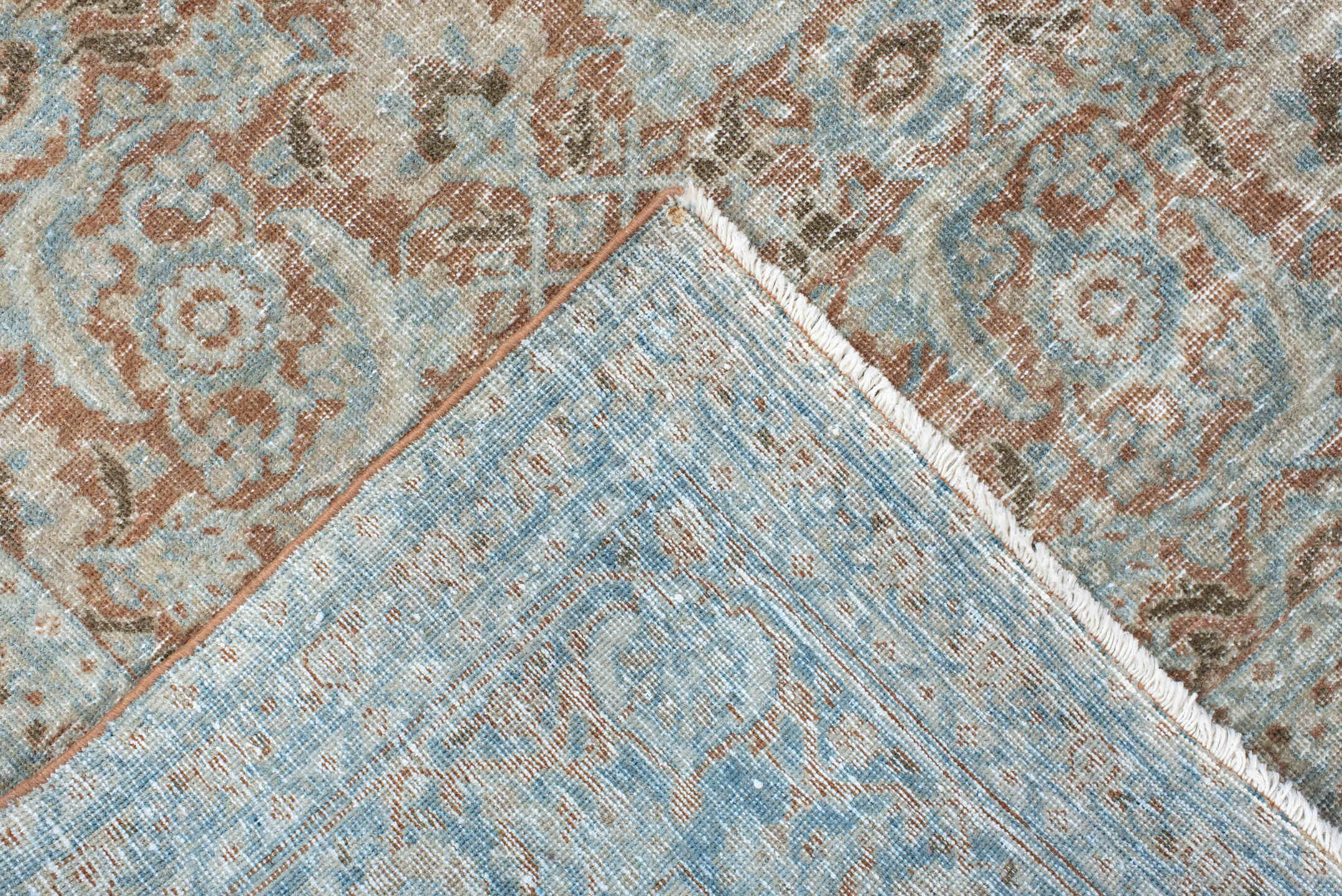
The wool is the second. Oushak weavers work with wool that is unusually soft and glossy; it takes dye gently and catches the light, so the pile carries a low sheen that shifts as you move around the room. The weave is coarser than a city carpet's, and that is a feature rather than a flaw: it keeps the pile thick, the handle supple, and the drawing big.
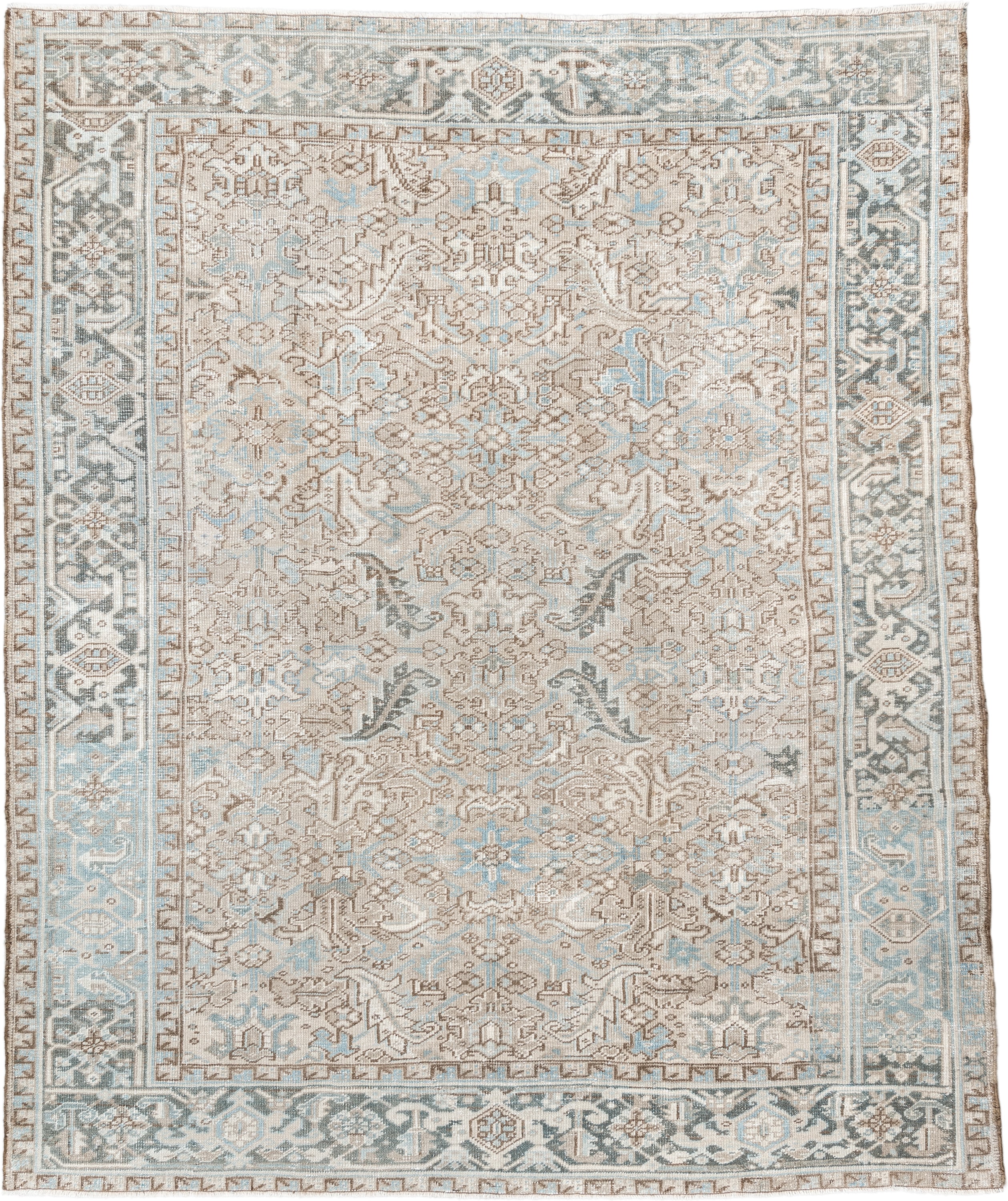
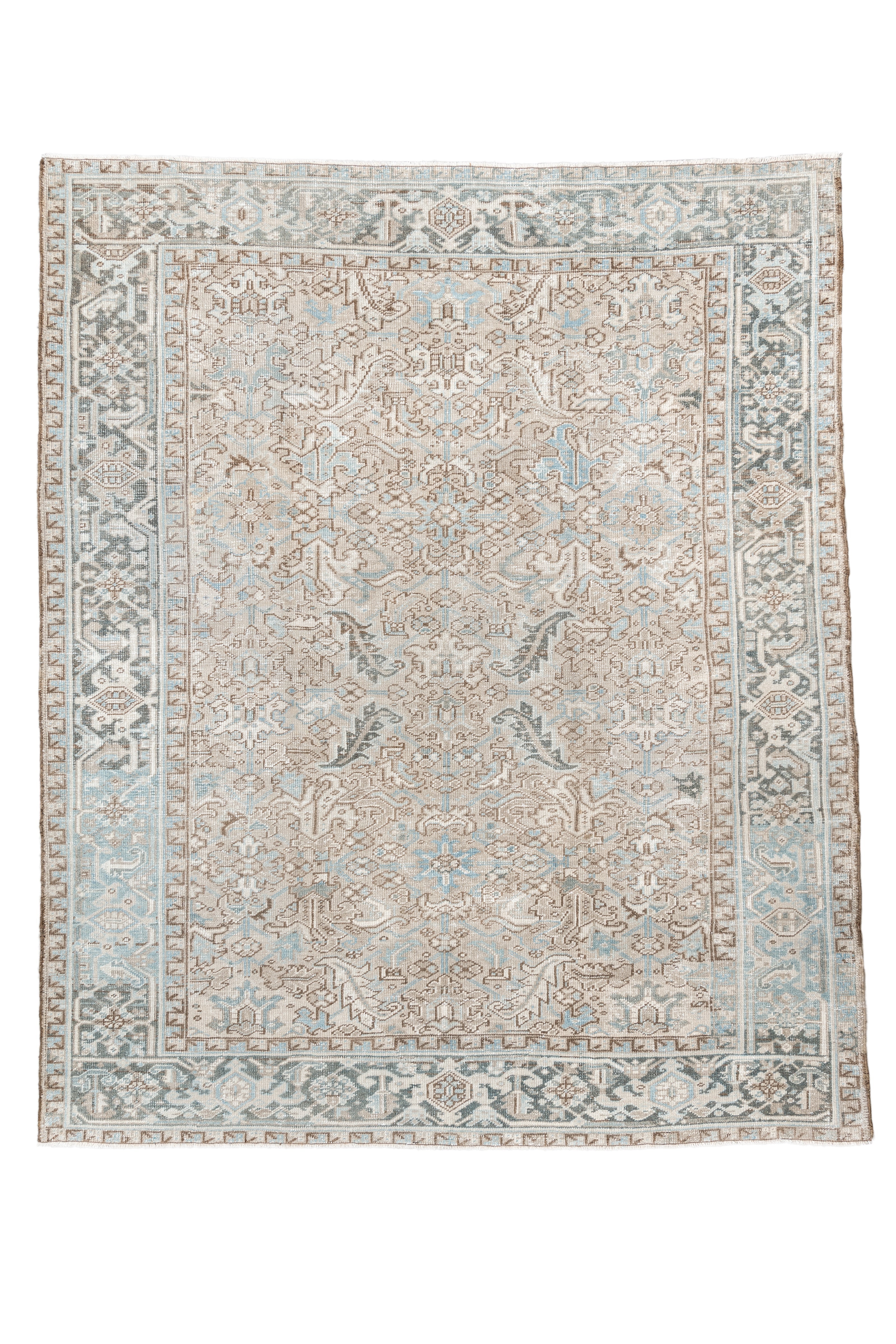
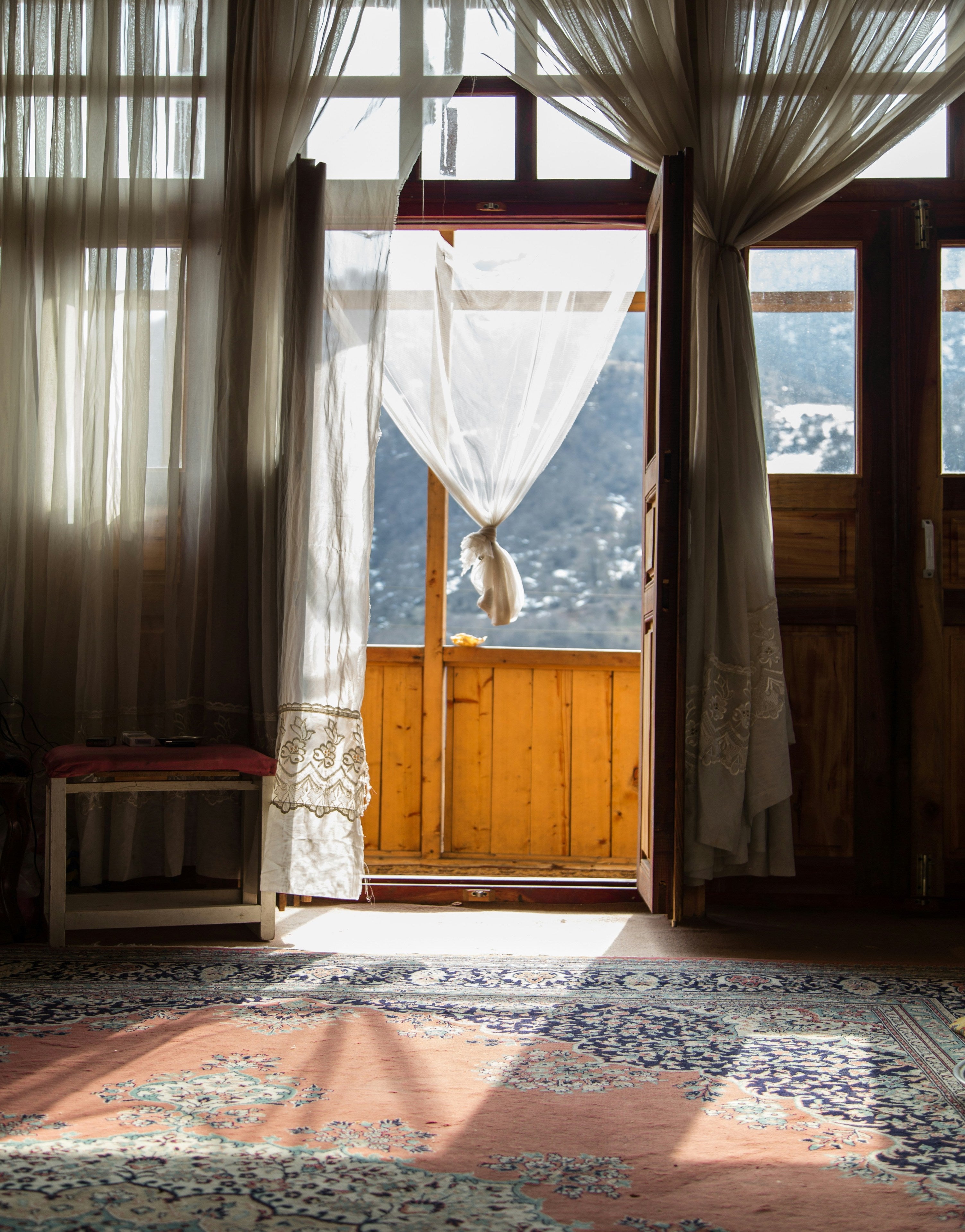
Color does the rest. The classic palette starts warm, apricot, terracotta, and soft gold, then cools through ivory, sand, pale gray, and watery blue. Decades of light and use pull those tones toward each other, which is why an old Oushak almost never shouts, even where it once did.
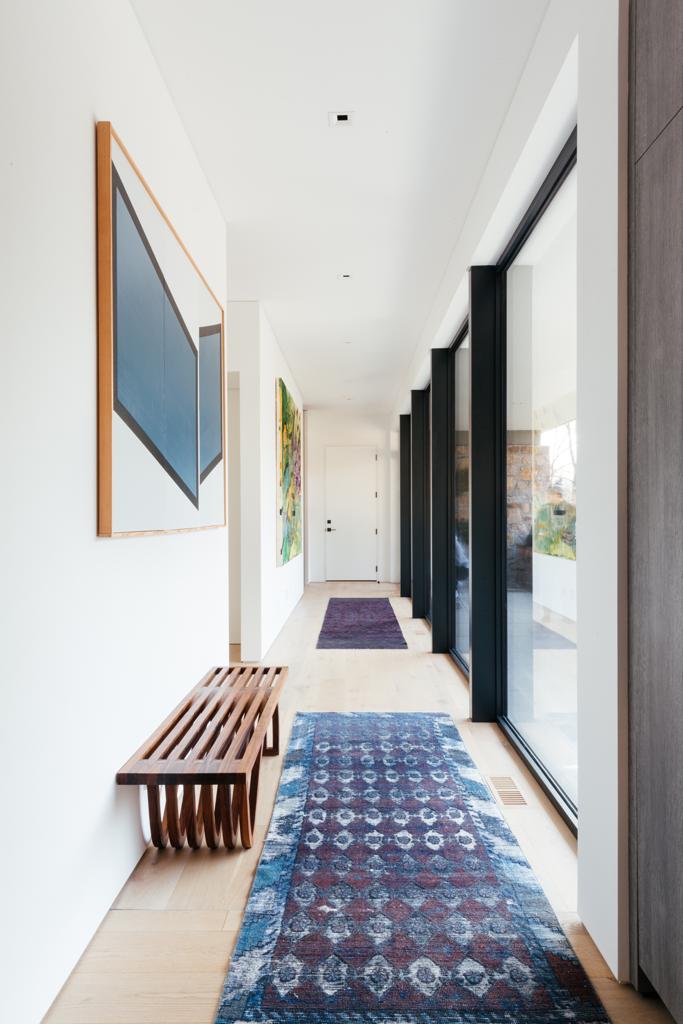
That surface is how most people end up shopping the type. Some want fields faded until the pattern sits just above a whisper. Some want ivory grounds that read almost as texture from across the room. And plenty want the same washed palette drawn long, in runner formats sized for hallways and stairs.
 Faded Oushak Rugs Pattern sitting just above a whisper. Shop
  Ivory Oushak Rugs Grounds that read almost as texture. Shop
  Oushak Runner Rugs The washed palette drawn long for hallways. Shop
Antique or vintage
Both come out of the same tradition, so this is a decision about surface rather than quality. An antique Oushak, meaning a rug eighty years and older, was woven nearer the revival's best period; the pile has usually worn low, the color shifts across the field where one dye lot met the next, and the drawing keeps the irregular, drawn-by-hand character collectors look for. A vintage Oushak gives you the same palette and scale with more pile still standing, which makes it the practical answer for dining rooms, family rooms, and anywhere chairs move every day.
 Antique Oushak Rugs Eighty years and older, worn low, drawn by hand. Shop
  Vintage Oushak Rugs The same palette and scale, more pile still standing. Shop
Sizes, placement, and care
Because the revival looms wove for Western rooms, Oushaks come genuinely big. Room sizes are the rule rather than the exception, the shop's largest pieces run past 12' x 18', and the format has a habit of turning out shapes other types rarely offer, like this squarish Antique Oushak Area Rug (13' x 13'). If your seating plan needs more floor than a standard 9' x 12' covers, Large Oushak Rugs is the section to start in.
Placement is forgiving, and that is a genuine Oushak advantage. Because the pattern is large and evenly spread rather than built around one dense center, sofa and table legs do not break the composition the way they break a small central medallion. Put the furniture on the rug with confidence. The muted palette also hides everyday traffic better than a dark, high-contrast carpet ever will.
Care stays simple: vacuum without the beater bar, rotate the rug once or twice a year so light and traffic wear it evenly, and send real spills to a professional cleaner instead of scrubbing them.
If you are shopping the type rather than one specific piece, it helps to hold the range in view. This Antique Oushak Area Rug (12' x 16') and this Vintage Oushak Area Rug (7' x 10') sit at opposite ends of the size range, and everything in the shop, antique and vintage, room size and runner, falls somewhere between them.
One of a kind, photographed flat Every Oushak in the shop, on one page Explore All Oushak Rugs