
A Moroccan rug is the one handmade carpet that reads as modern before it reads as old. It comes off a village loom in the Atlas Mountains, knotted in thick handspun sheep's wool with a pile deep enough to sink a foot into, and its pattern is drawn from memory rather than copied from a paper cartoon. That combination, a plush surface and loose freehand geometry, is why Moroccan Rugs settle so easily into rooms where a formal Persian carpet would feel like a costume.
Morocco is not one weaving tradition but several. The tribal names attached to them, Beni Ourain, Boujaad, Azilal, Beni Mguild, describe the people who wove the rugs rather than a fixed pattern, and knowing which look belongs to which name is most of what a shopper actually needs.
The Beni Ourain look, and what it actually is
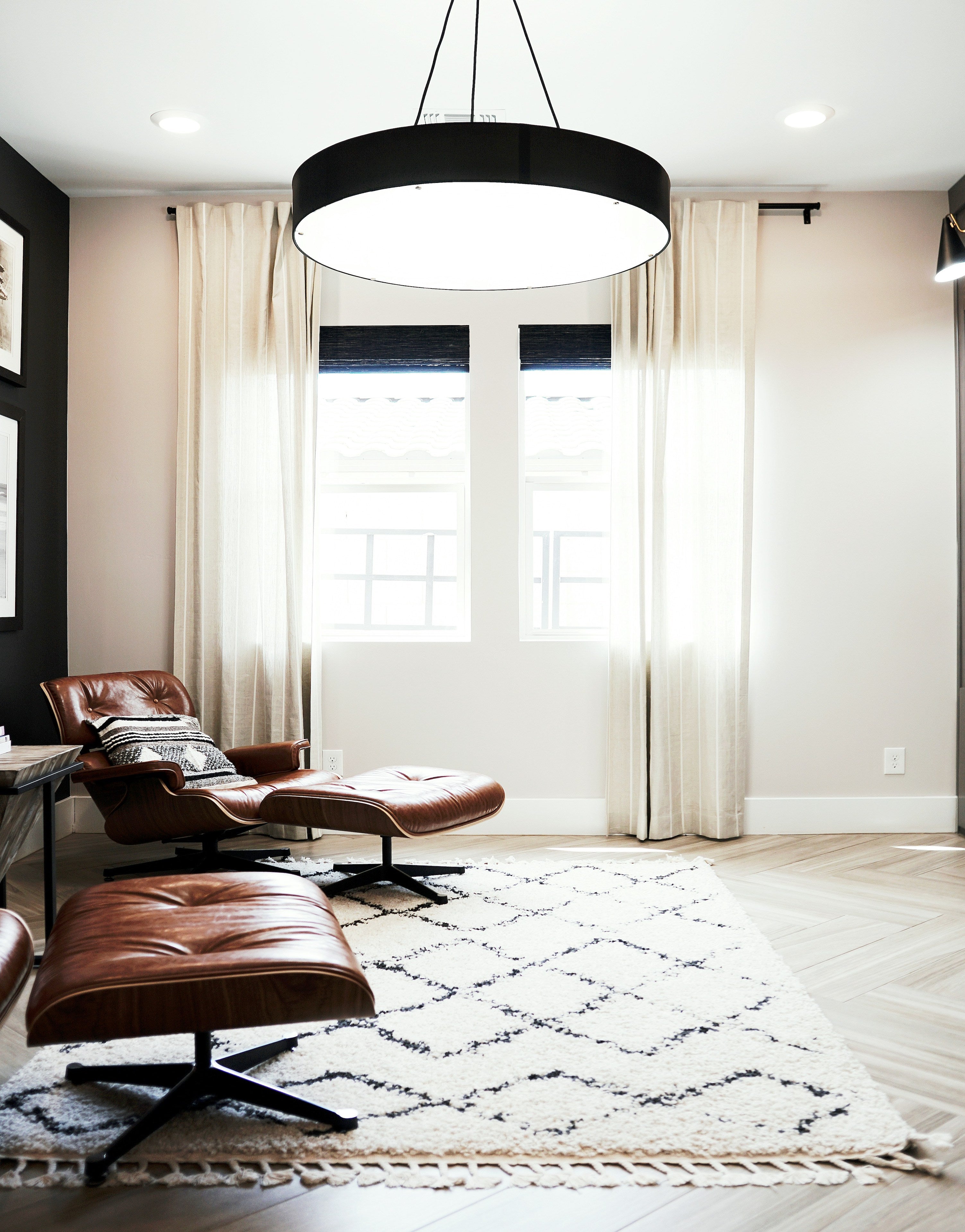
Beni Ourain is a confederation of tribes in the Middle Atlas, and the rug that carries the name is the one most people picture when they hear Moroccan: a cream field, a loose grid of diamonds in dark brown or black, and very little else on it. The color is not dyed. It is the natural fleece of the local sheep, which is why those grounds age toward warm cream instead of going gray on you.
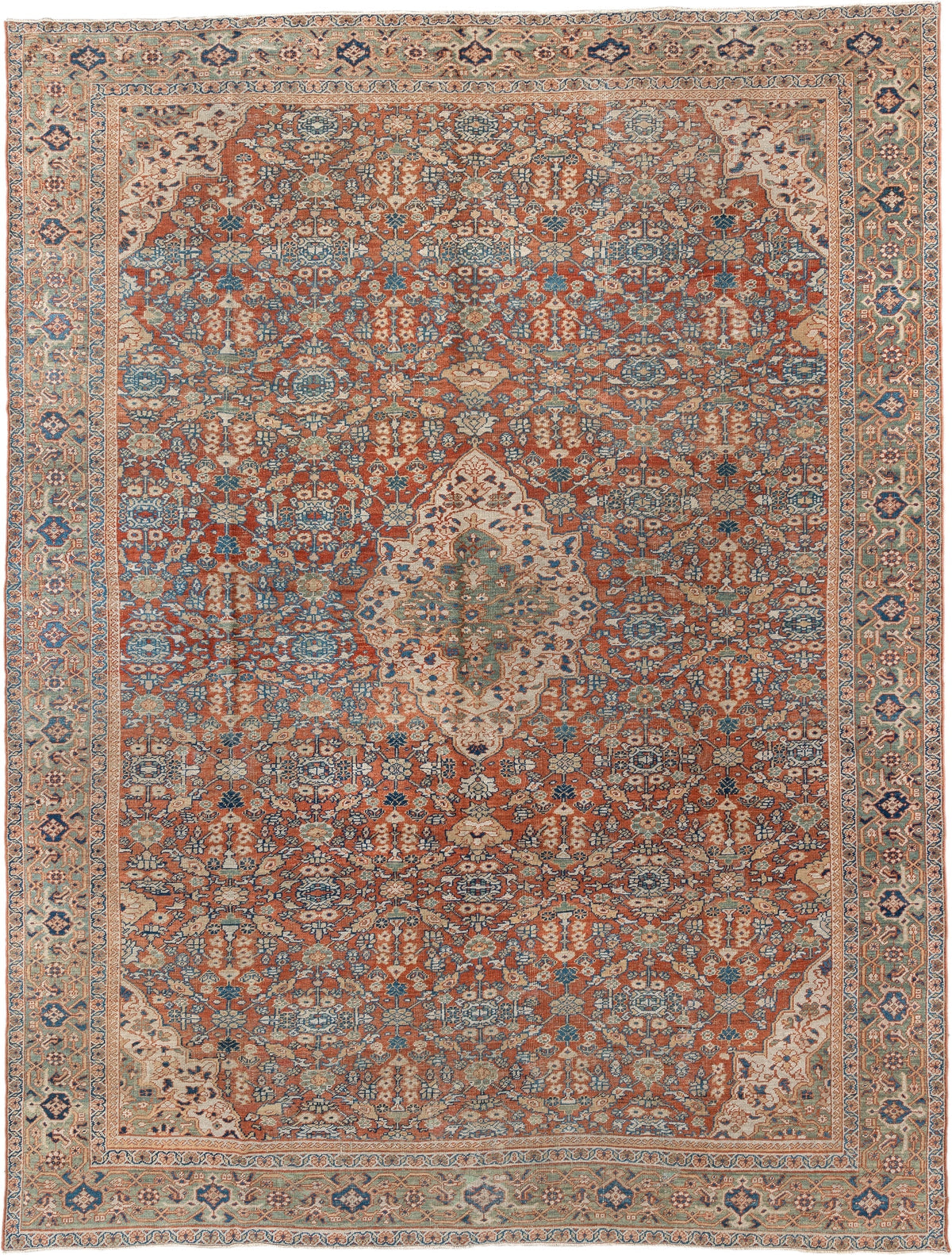
What makes the format work in a contemporary room is that it is almost entirely texture. The pile stands high, the linework is sparse, and the rug reads as depth and shadow rather than as pattern, so it can sit under a hard-edged sofa without competing with anything. This Vintage Moroccan Area Rug (8' x 10') is a fair reference for the type. Shopping it comes down to how much drawing you want: an undyed ground with a few charcoal marks and nothing more, fields left mostly empty, or the full diamond lattice running corner to corner.
 Ivory Moroccan Rugs
Undyed cream wool, charcoal linework.
Shop
Ivory Moroccan Rugs
Undyed cream wool, charcoal linework.
Shop
 Minimalist Moroccan Rugs
Fields left mostly empty, texture first.
Shop
Minimalist Moroccan Rugs
Fields left mostly empty, texture first.
Shop
 Geometric Moroccan Rugs
The diamond lattice, drawn by hand.
Shop
Geometric Moroccan Rugs
The diamond lattice, drawn by hand.
Shop
Tribal drawing, and the rugs that are anything but quiet
The other half of Moroccan weaving is loud on purpose. Boujaad rugs from the plains near Khouribga run hot: grounds of clay, rust, and burnt orange carrying dense stacks of tribal marks, diamonds, chevrons, hands and eyes, the vocabulary a weaver used to look after a household. Azilal pieces from the High Atlas do something close to it on a lighter ground, with wilder asymmetry and sudden bursts of color, and the most sun-bleached of both end up in Faded Moroccan Rugs.

These behave more like art than like flooring, and they want a plainer room around them. Almost everything on the market is vintage, which turns out to be the good news: decades of use in Moroccan homes softened the wool and pulled the saturated clay and rust grounds back from their first intensity, so even the loudest pieces arrive easy to live with. The symbols stay exactly as the weaver knotted them, which is why no two of these ever match. Genuinely old examples, eighty years and older, are gathered in Antique Moroccan Rugs.
 Tribal Moroccan Rugs
Symbols knotted from memory, never twice the same.
Shop
Tribal Moroccan Rugs
Symbols knotted from memory, never twice the same.
Shop
 Terracotta Moroccan Rugs
Clay and rust grounds, saturated.
Shop
Terracotta Moroccan Rugs
Clay and rust grounds, saturated.
Shop
 Vintage Moroccan Rugs
Decades of use did the softening for you.
Shop
Vintage Moroccan Rugs
Decades of use did the softening for you.
Shop
Sizes, placement, and living with one
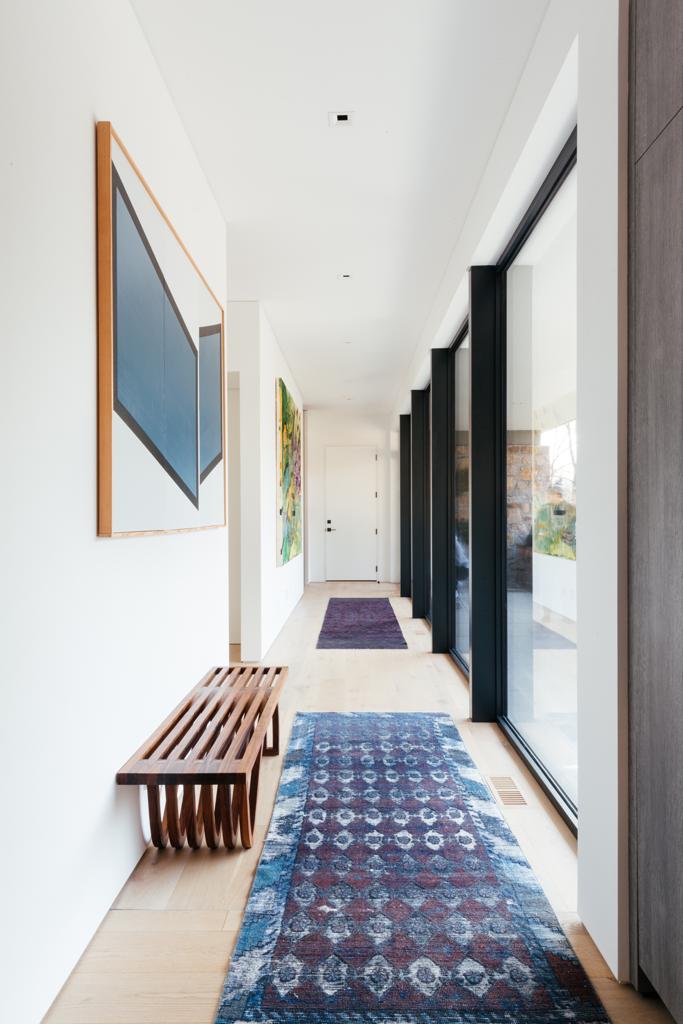
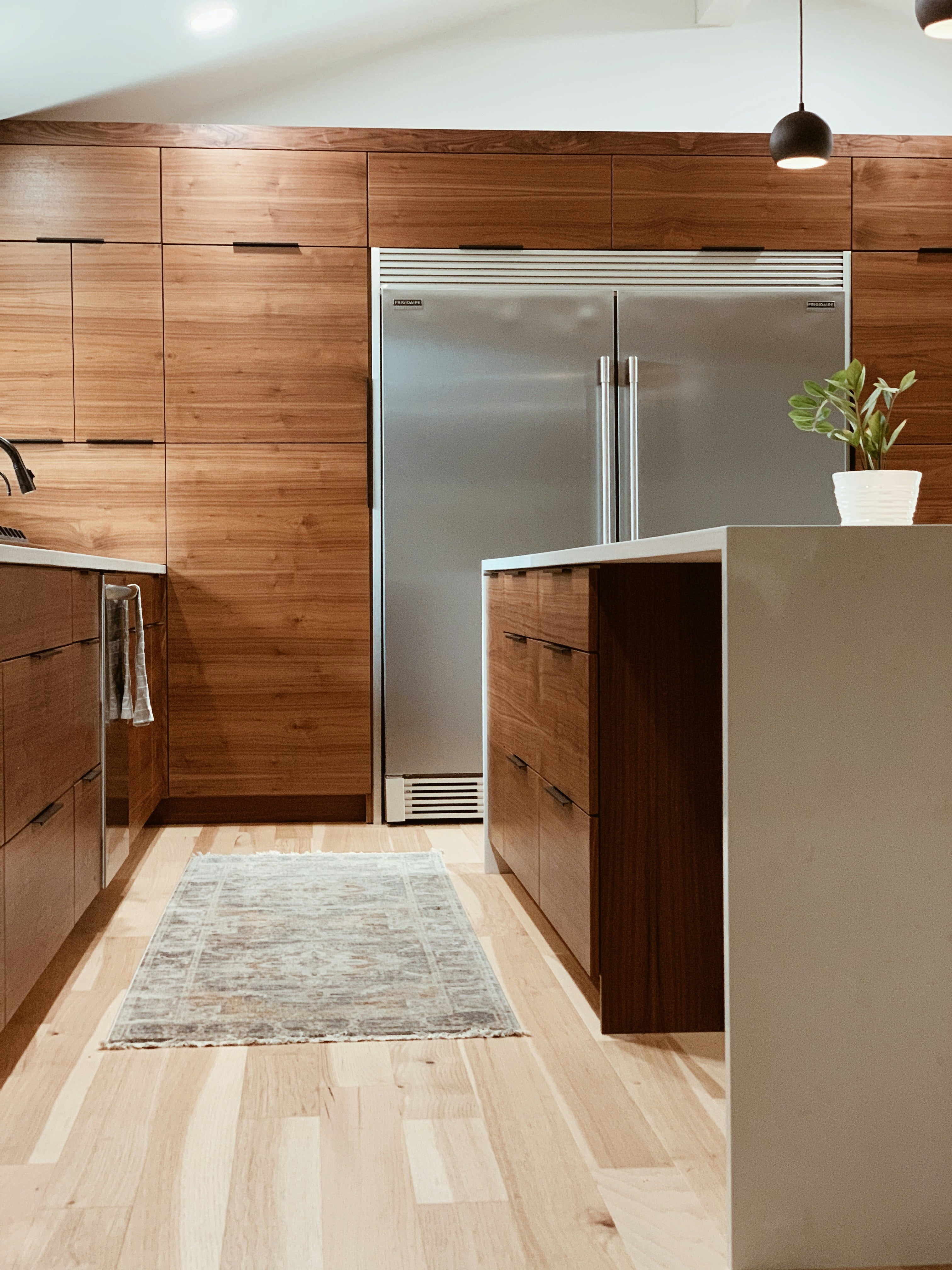
Village looms were narrow, and that fact still shapes what you can find. Wide Moroccan carpets are genuinely scarce next to wide city carpets, so a piece with the width to hold a whole seating plan is worth moving on when one appears. The long narrow formats are the opposite, plentiful, because every Moroccan house had halls and landings to cover, and Berber pile makes a warmer runner than any flatweave. At the small end, two by four and three by six pieces do the work beside a bed, inside an entry, or in the gap next to a tub.
 Moroccan Runner Rugs
Berber pile drawn long for halls and landings.
Shop
Moroccan Runner Rugs
Berber pile drawn long for halls and landings.
Shop
 Large Moroccan Rugs
The width a whole seating plan needs.
Shop
Large Moroccan Rugs
The width a whole seating plan needs.
Shop
 Small Moroccan Rugs
Beside a bed, inside an entry.
Shop
Small Moroccan Rugs
Beside a bed, inside an entry.
Shop
Placement is where people most often go wrong. A Moroccan pile is thick, so leave clearance for a door to swing, and pull the front legs of the sofa and chairs onto the rug instead of floating the furniture off its edge. Anything sized to hold a room rather than a corridor sits in Moroccan Area Rugs.
Care is simple and worth doing properly. Vacuum without the beater bar, which chews a high pile; rotate the rug once or twice a year so light and traffic wear it evenly; and send a real spill to a professional cleaner rather than reaching for a bottle from under the sink. Some shedding in the first months is normal in a thick handspun wool and settles down on its own.
If you are still deciding which end of the tradition you want, it helps to hold two of them against each other. This Vintage Moroccan Area Rug (8' x 10') is the quiet, undyed version of the type, and this Vintage Moroccan Area Rug (6' x 10') is the saturated one. Nearly everything we carry falls somewhere between the two.
One of a kind, photographed flat Every Moroccan rug in the shop, on one page Explore All Moroccan Rugs