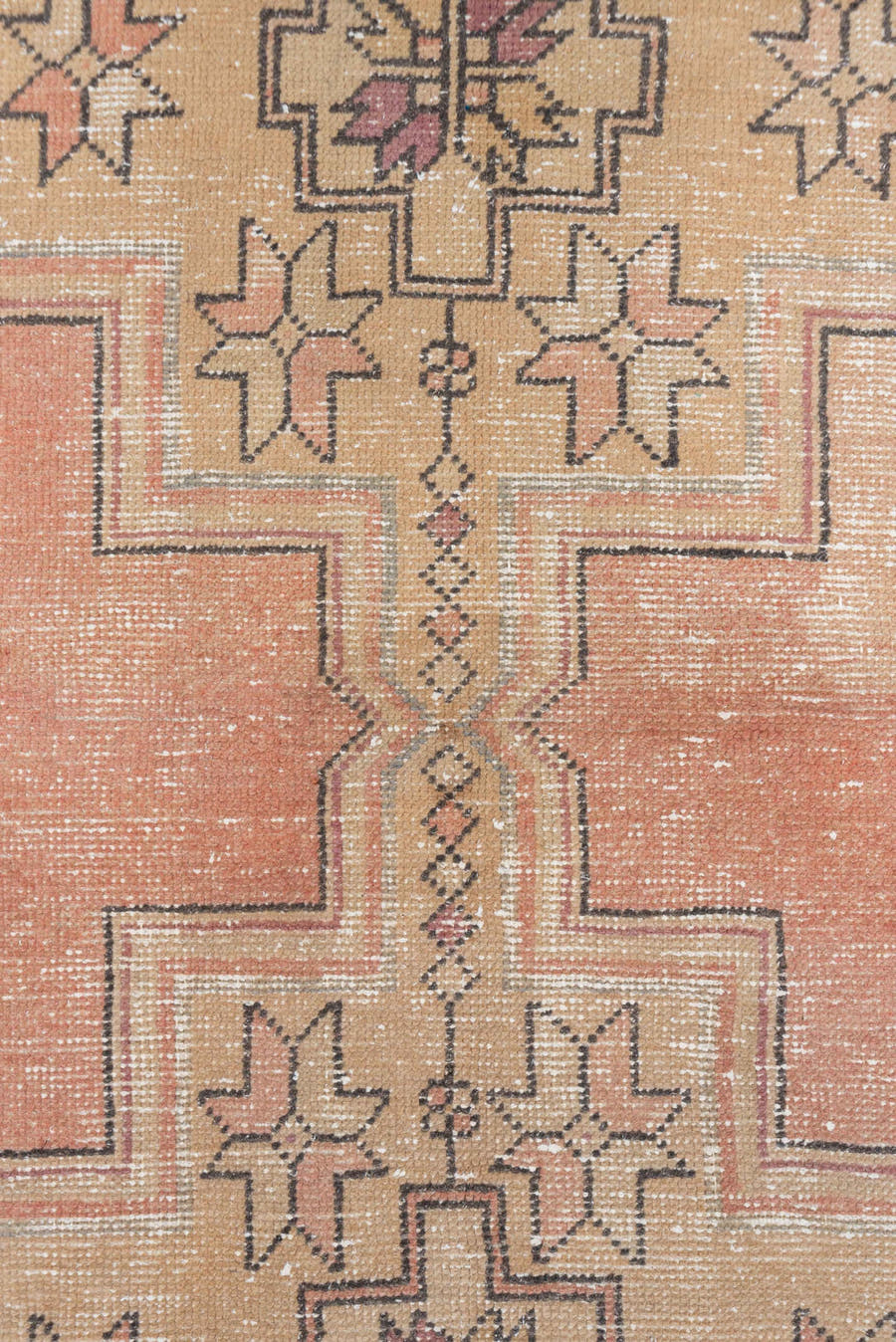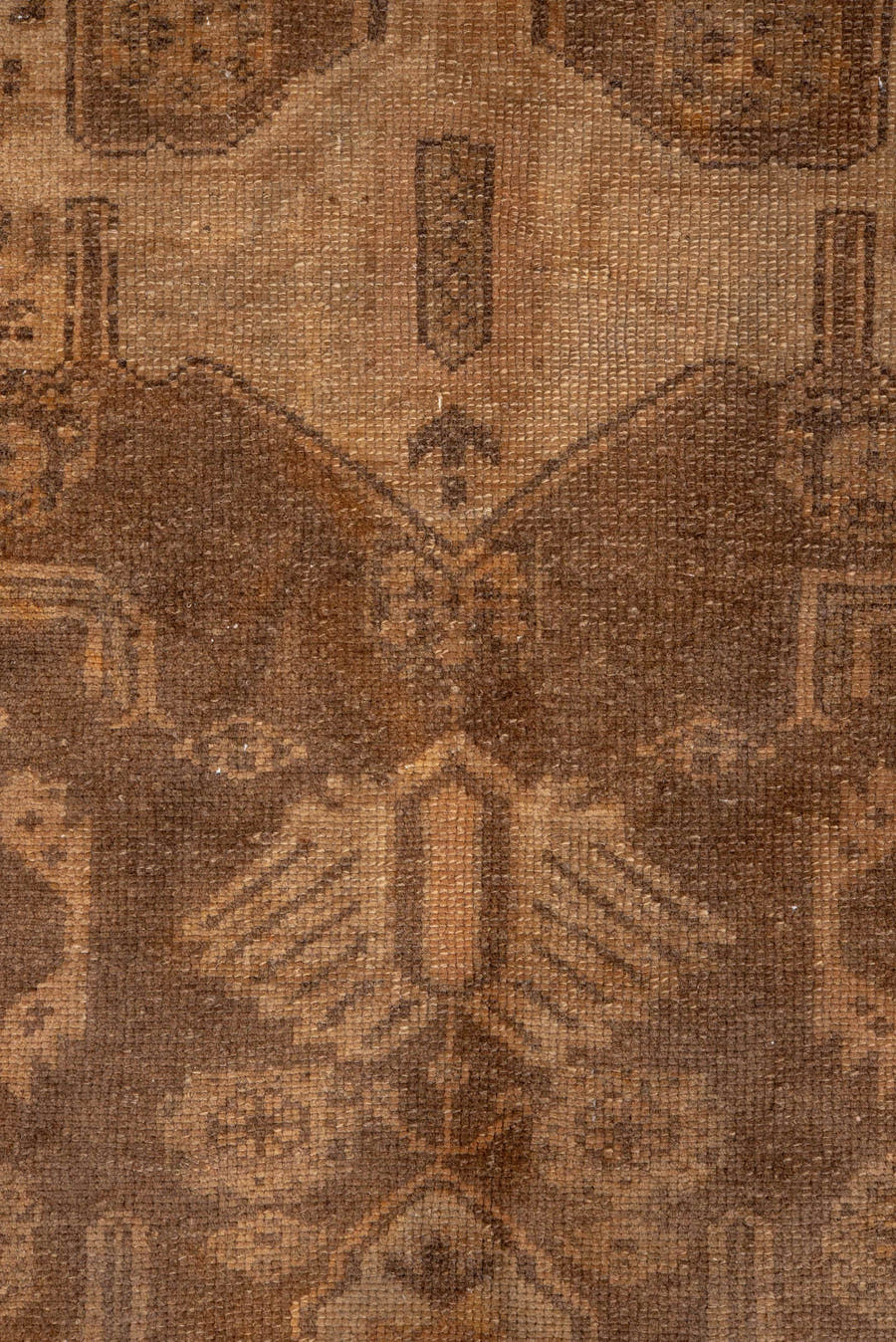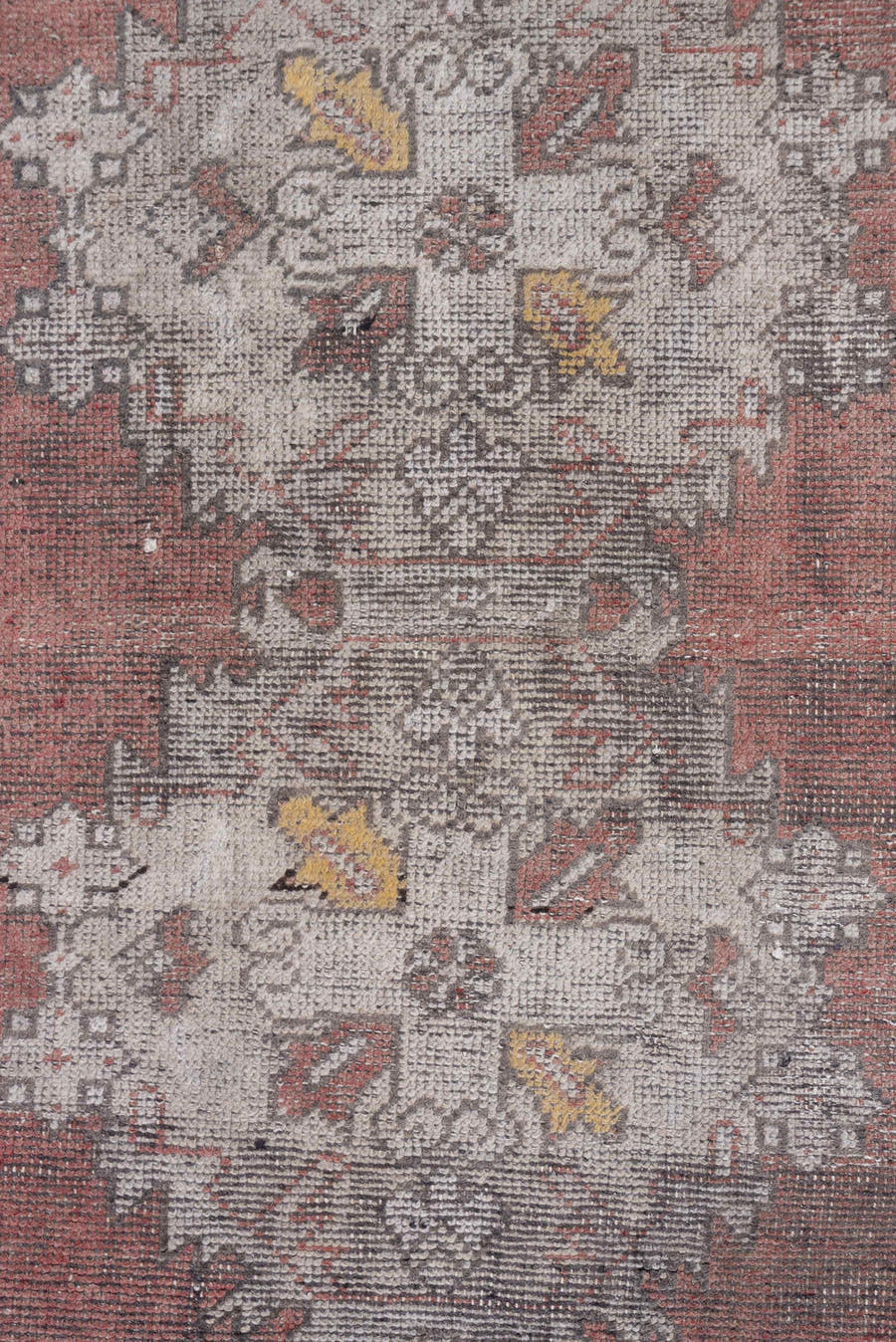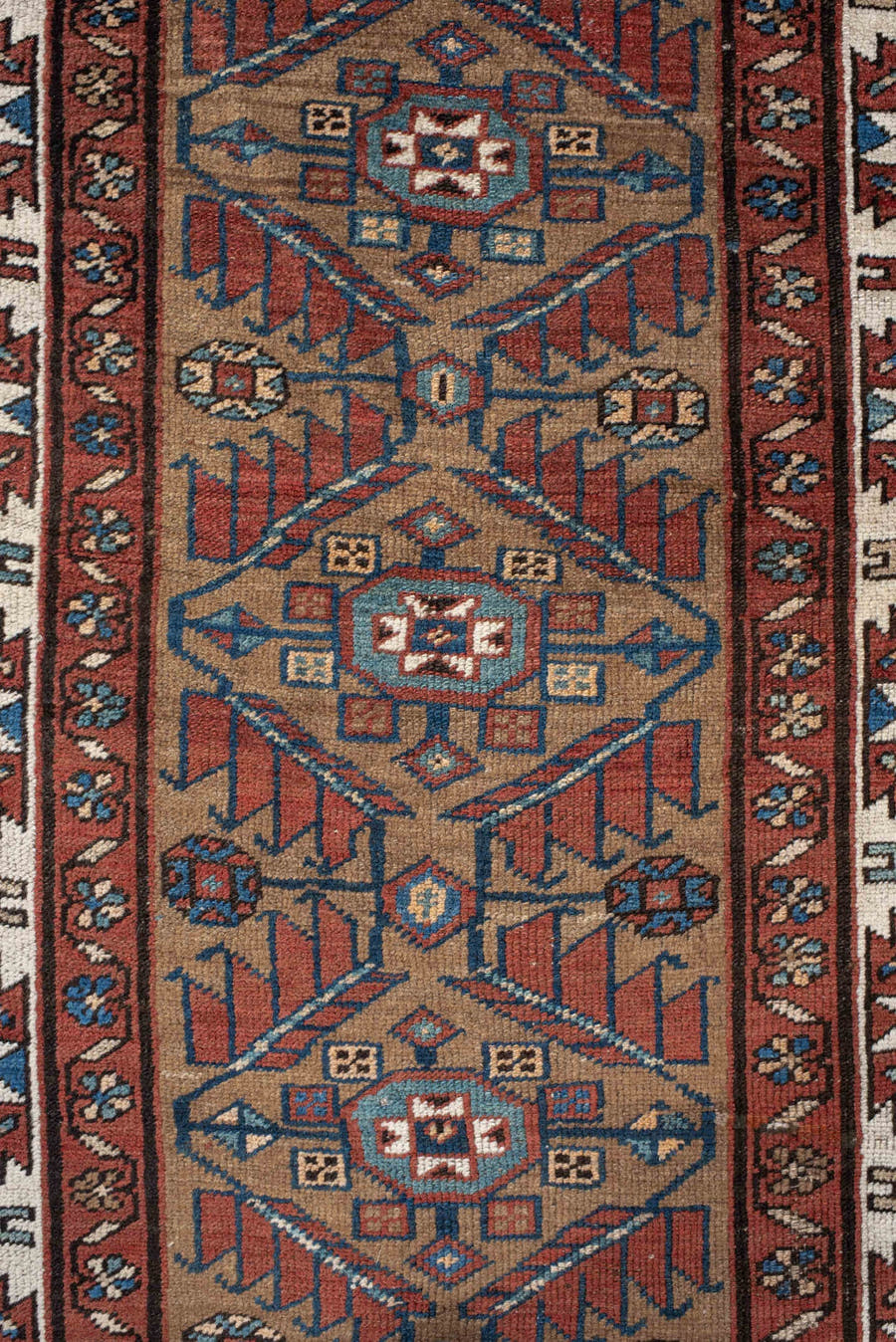


Antique Malayer Runner Rug (3' x 9')
Dimensions: 3'0" x 9'4" (91 cm x 284 cm).
Circa: 1930.
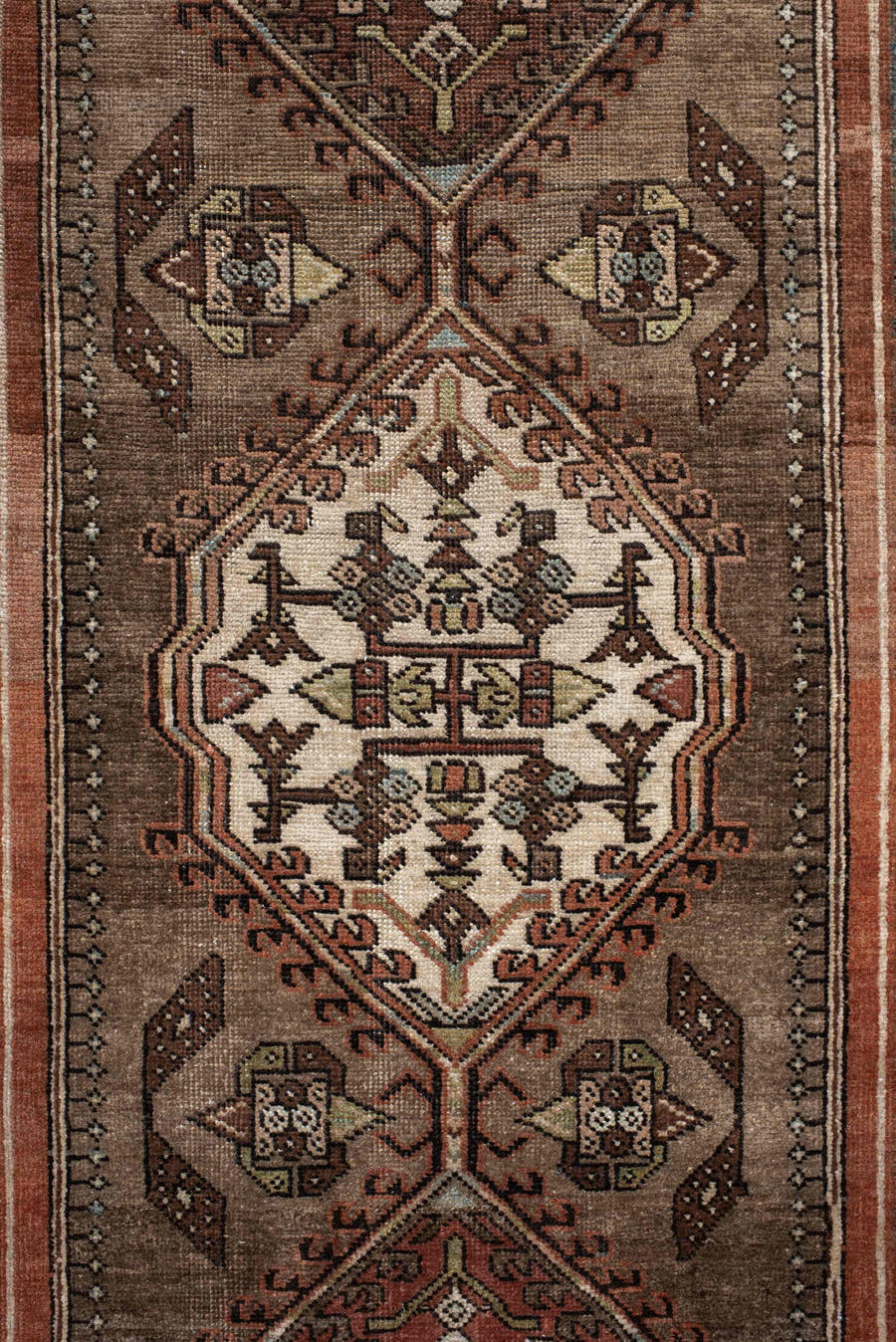
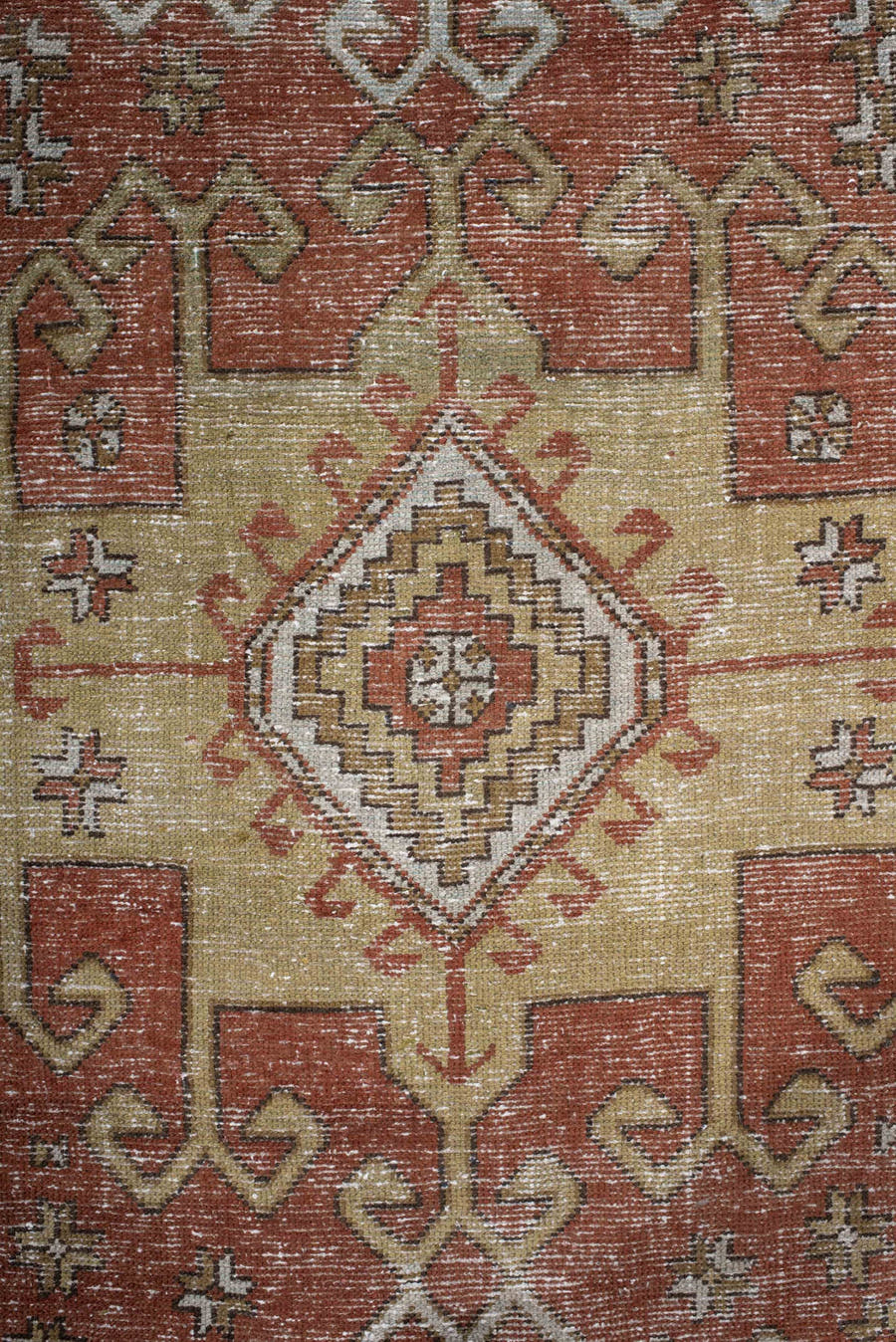
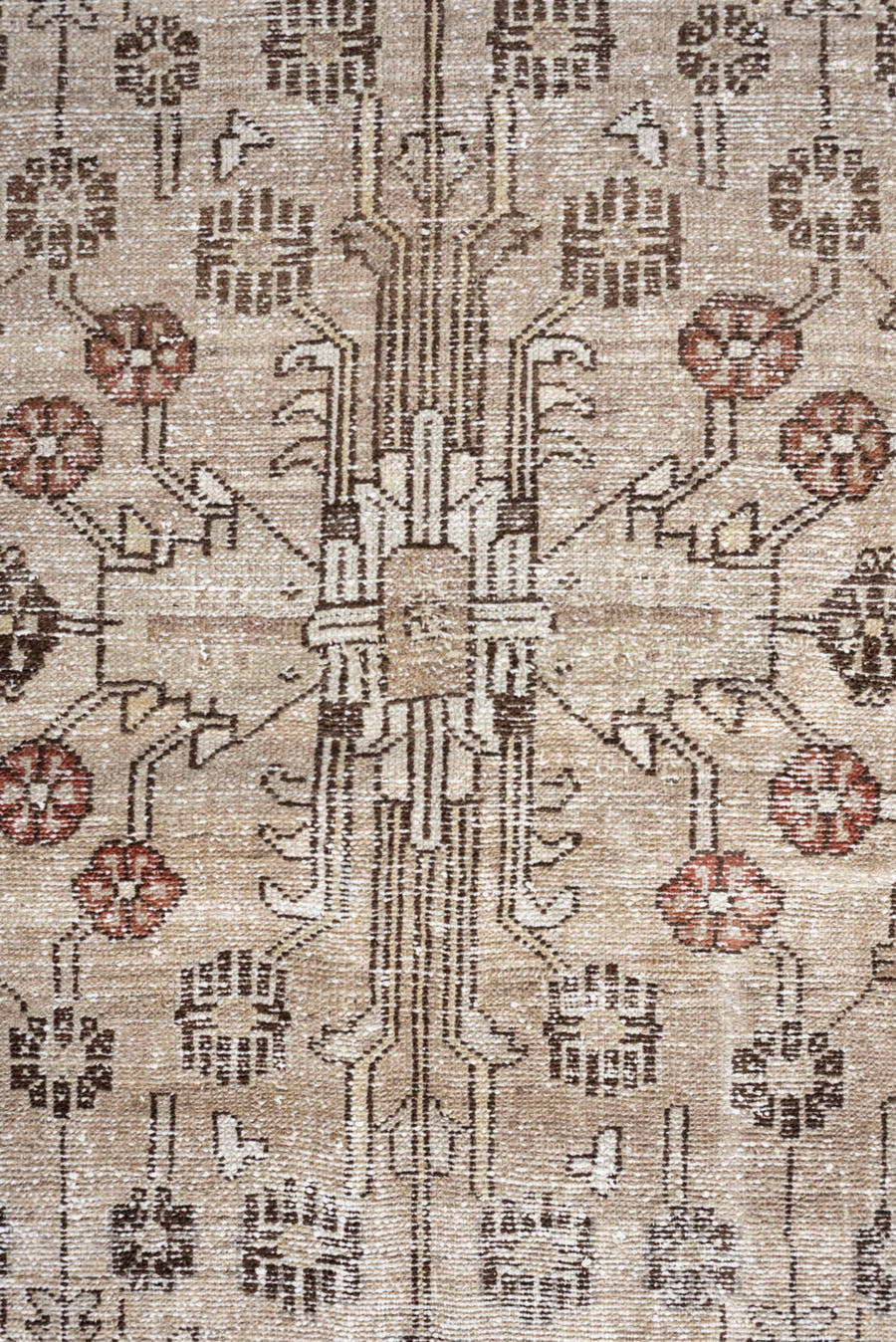
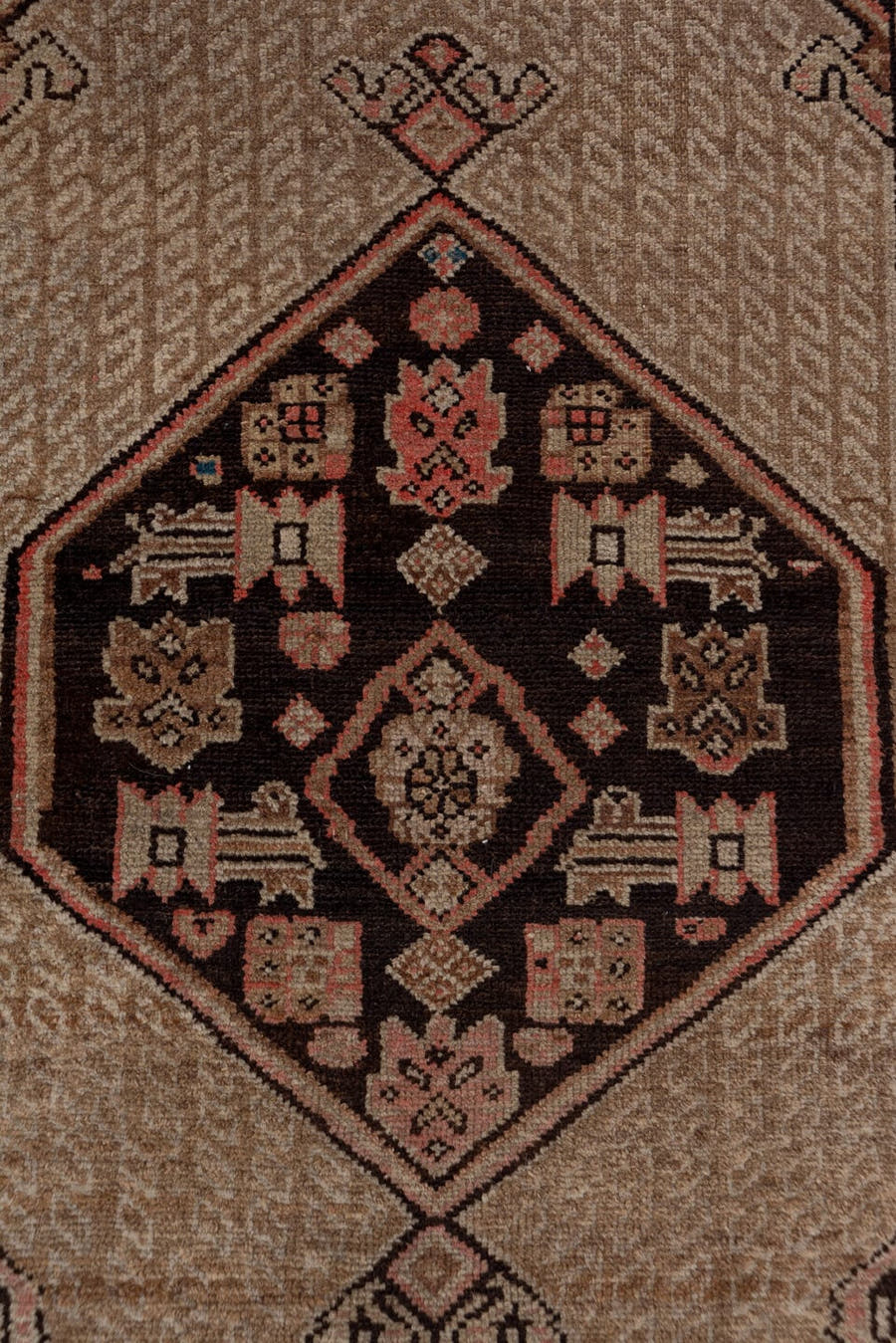
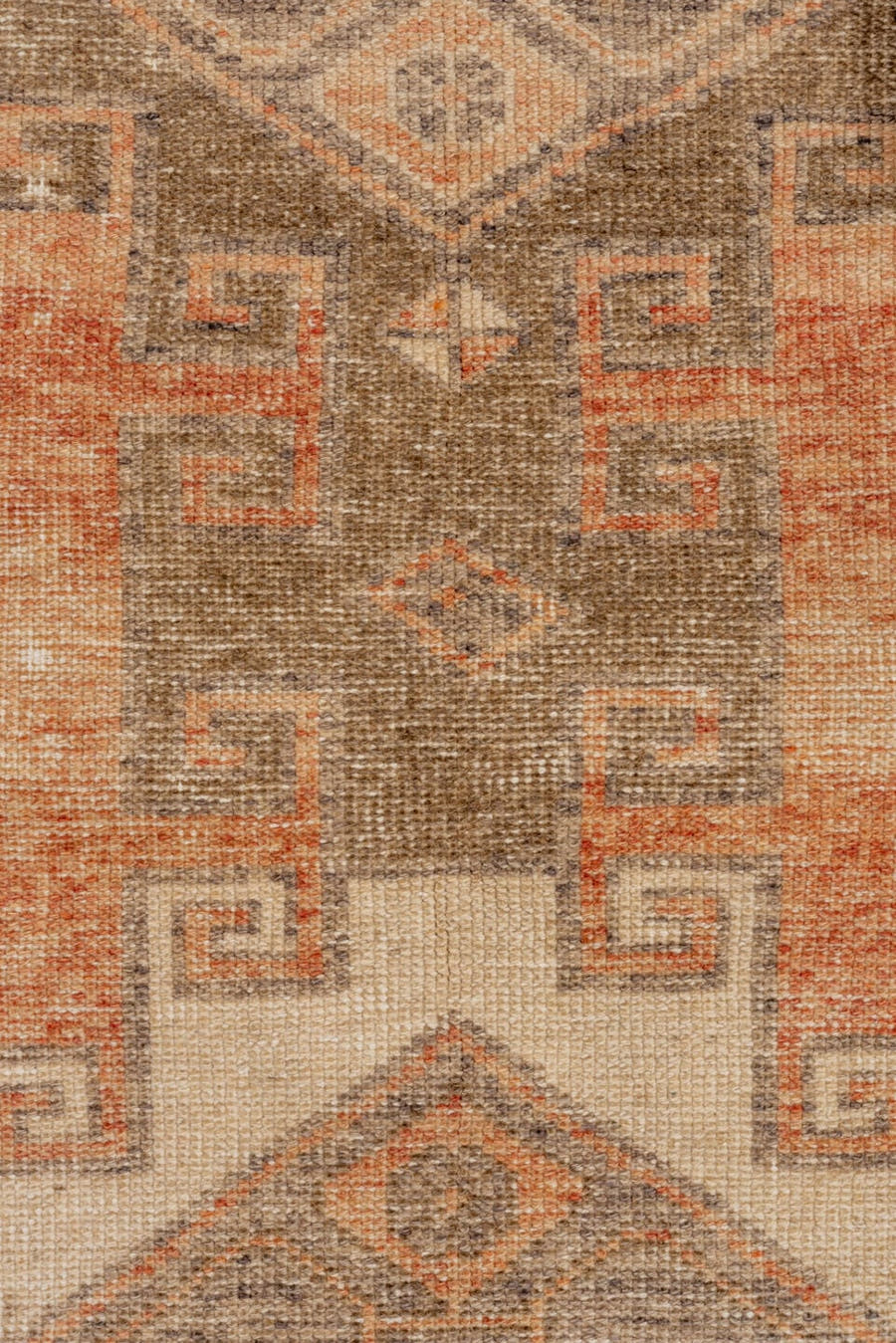
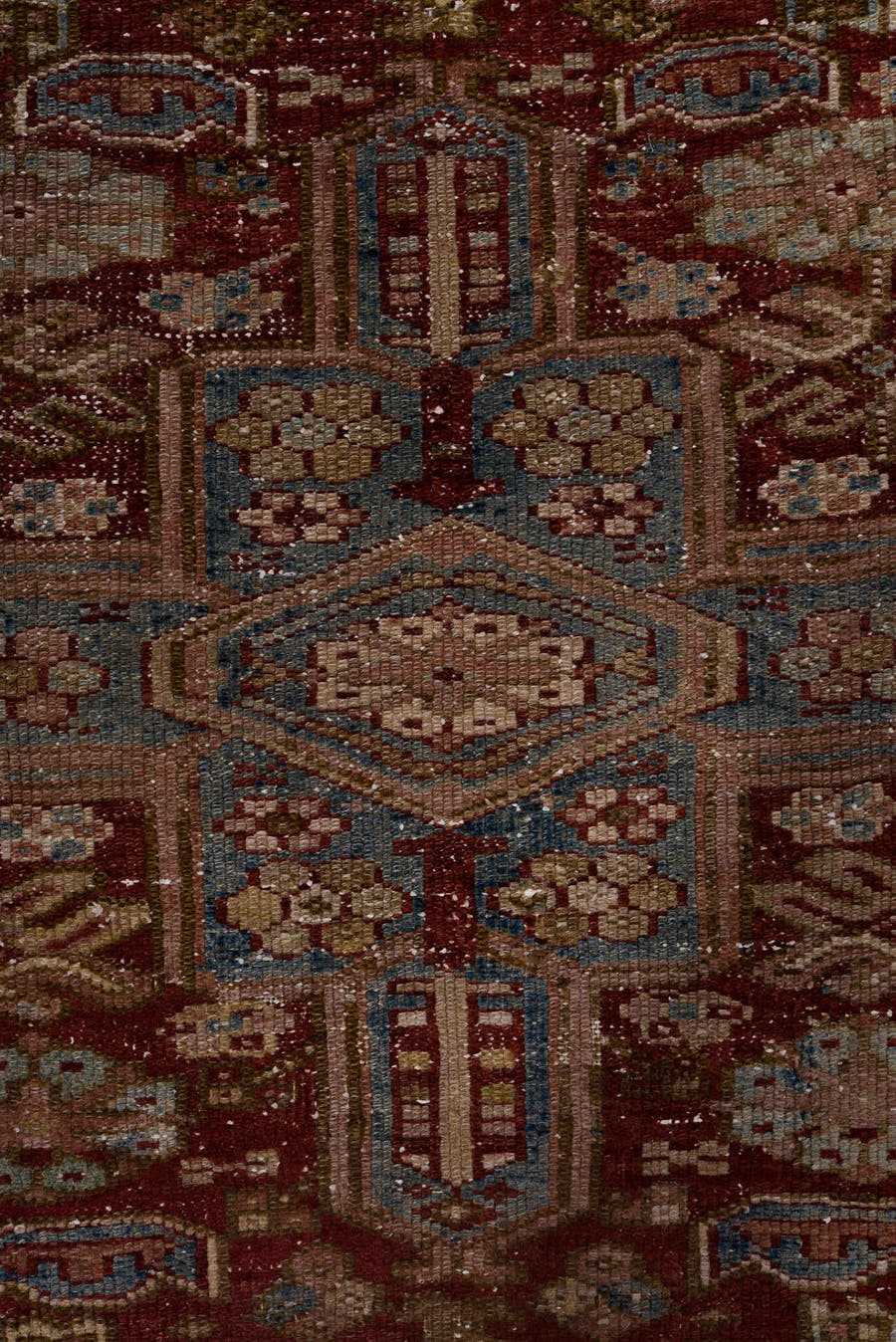
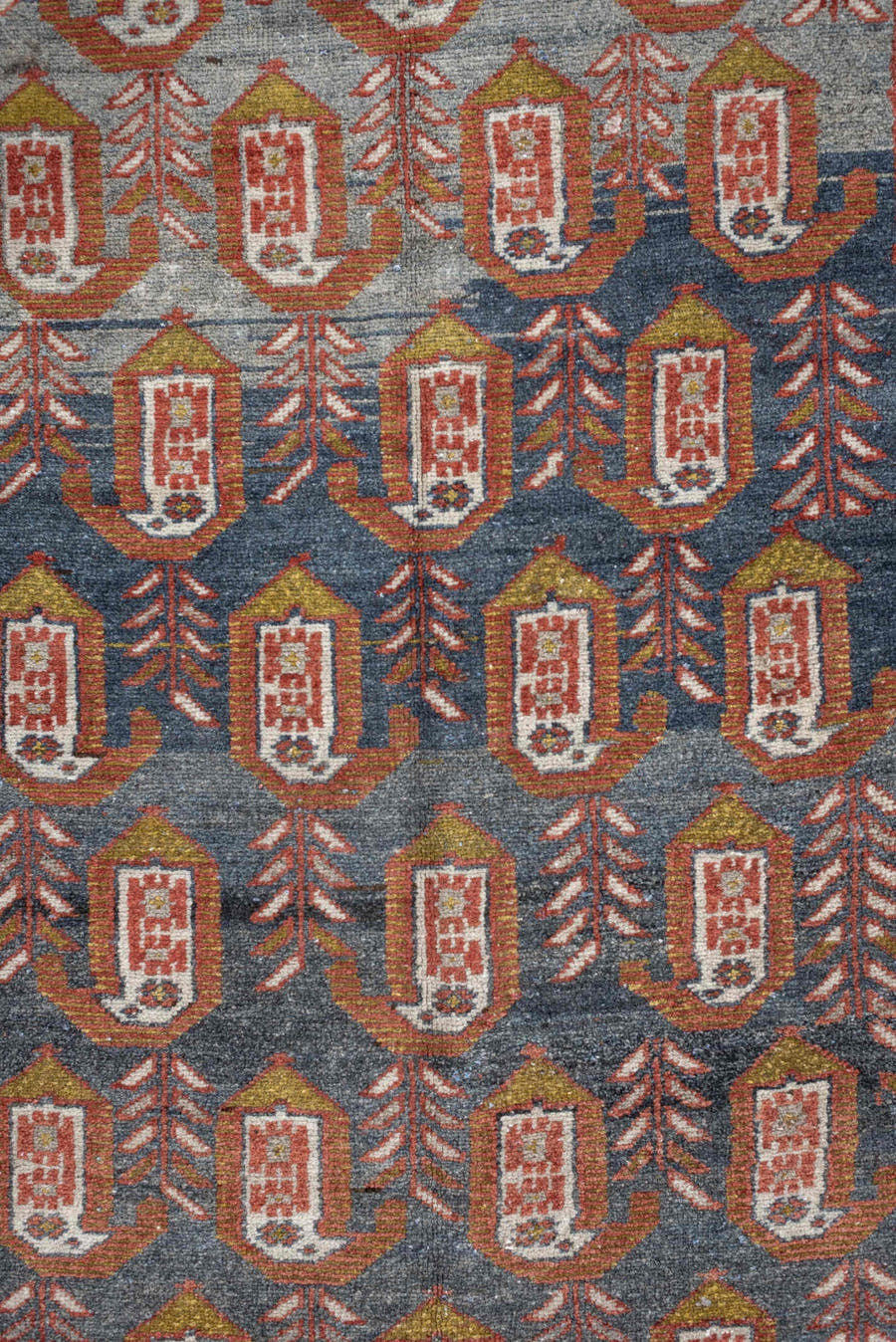
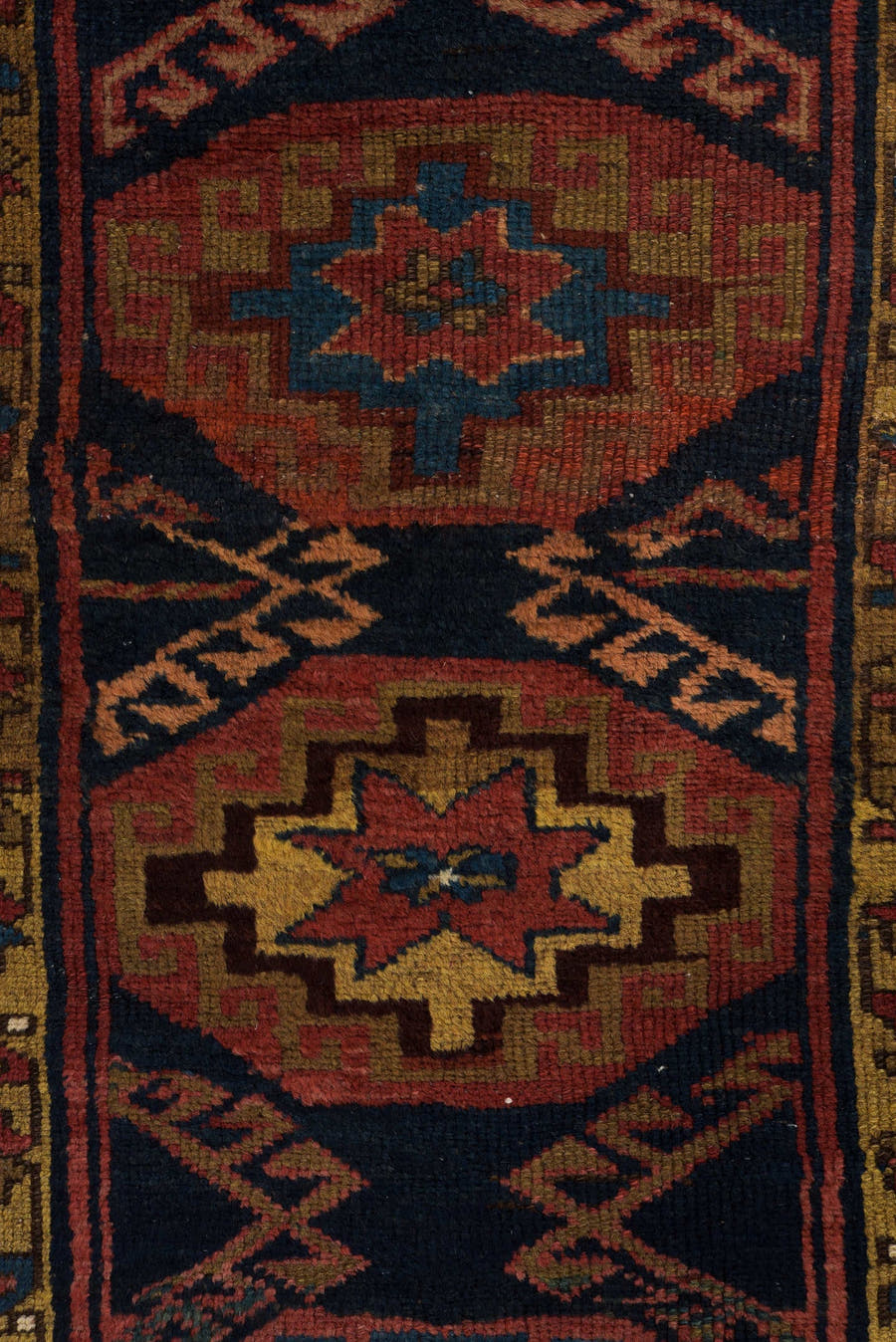
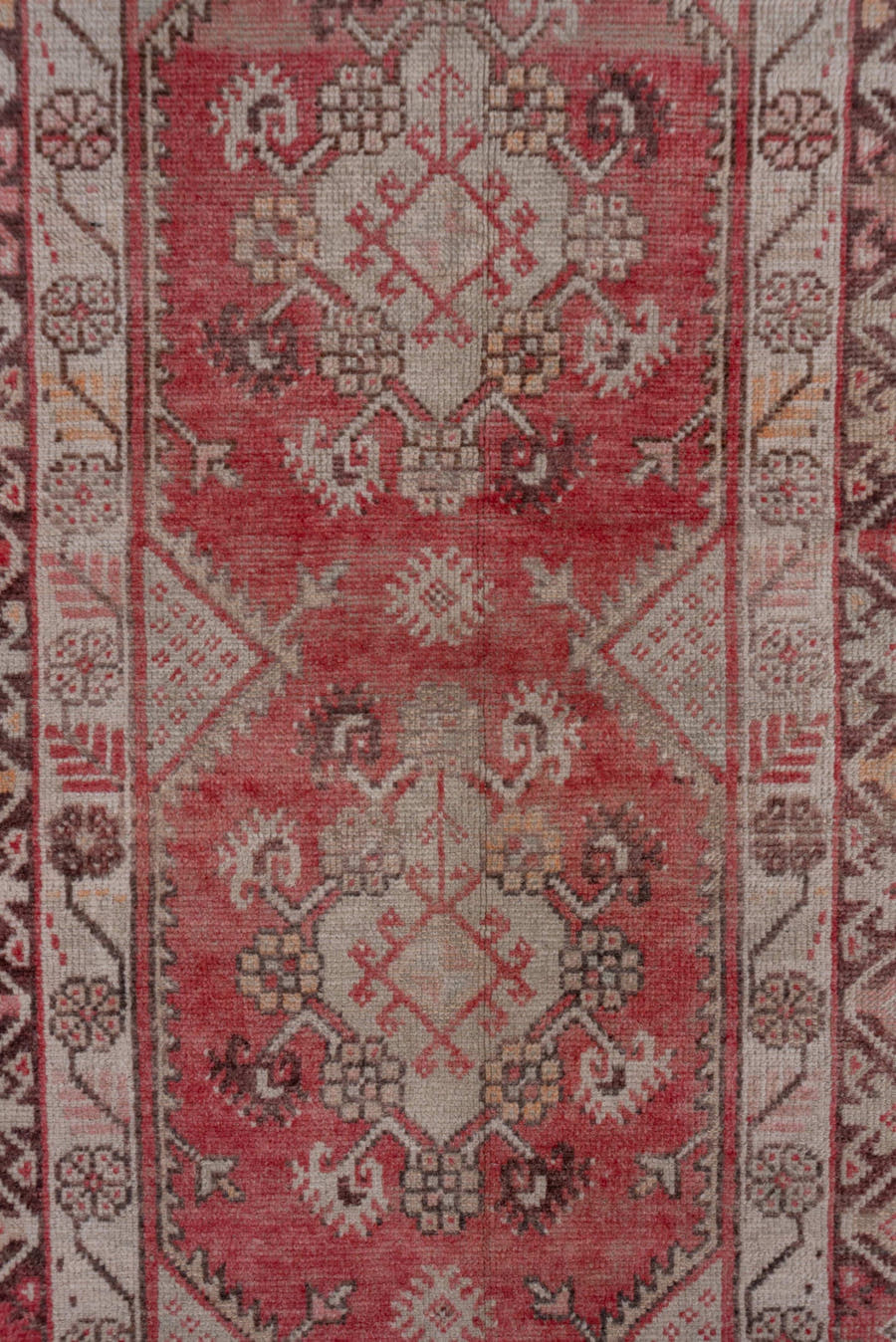
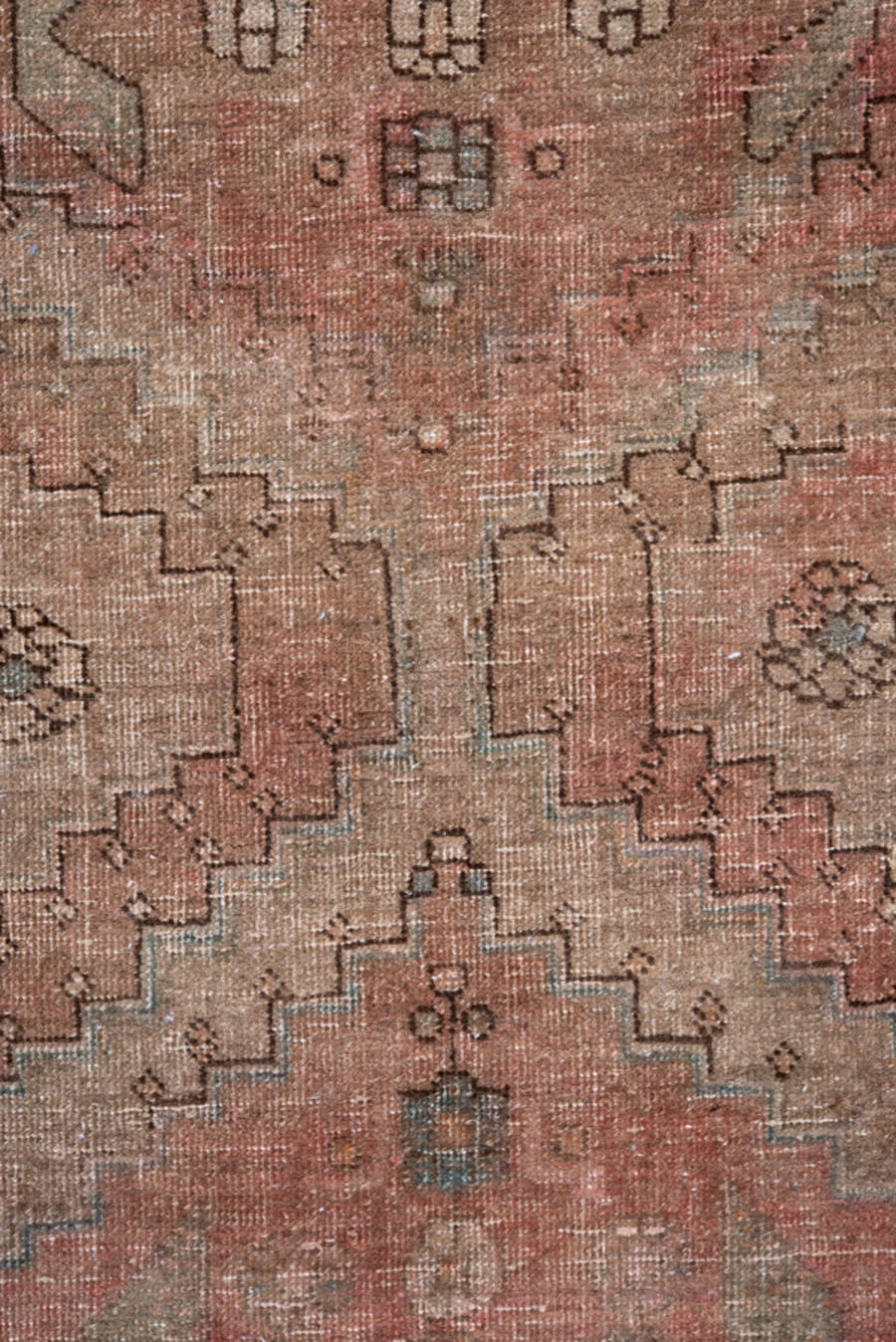
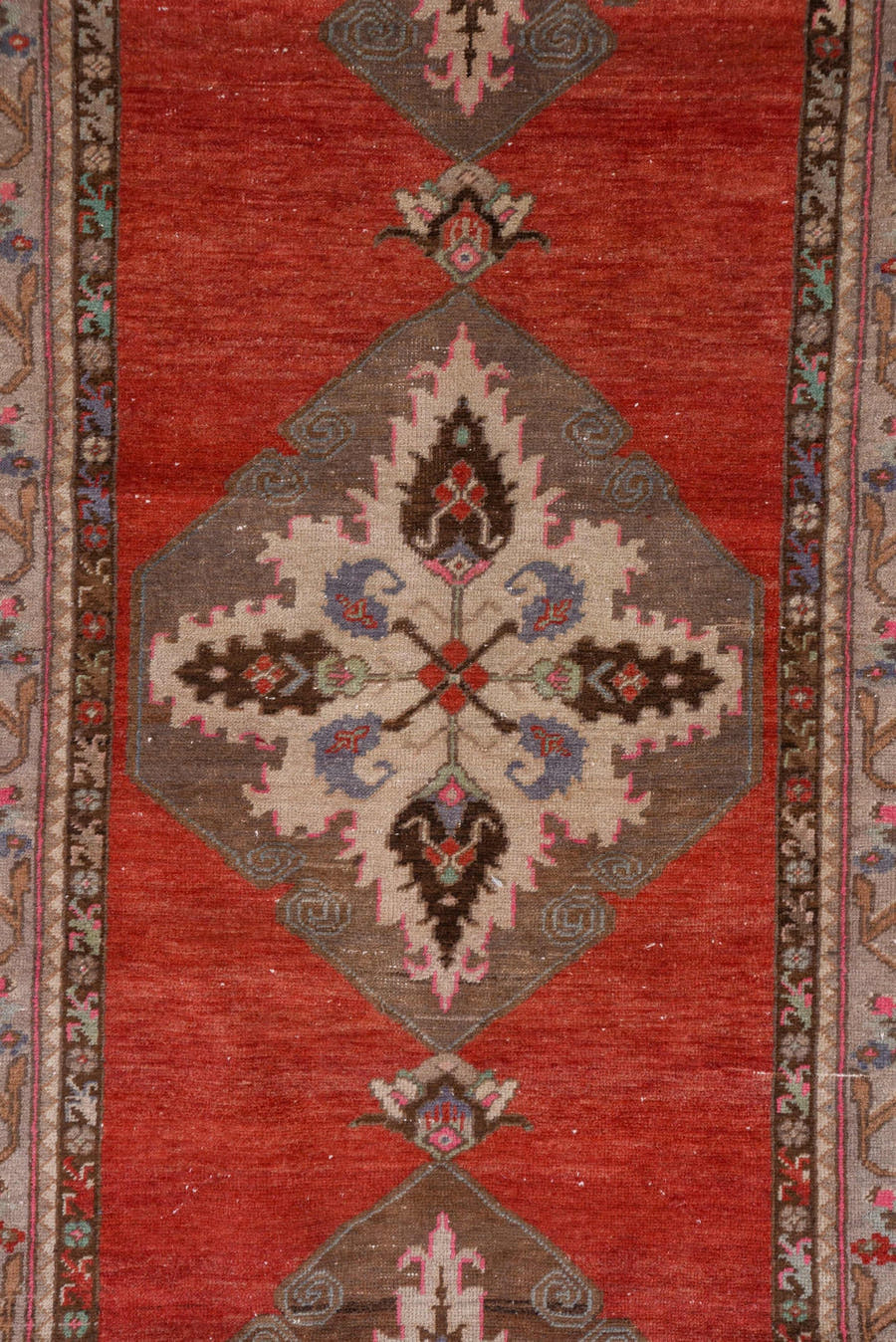
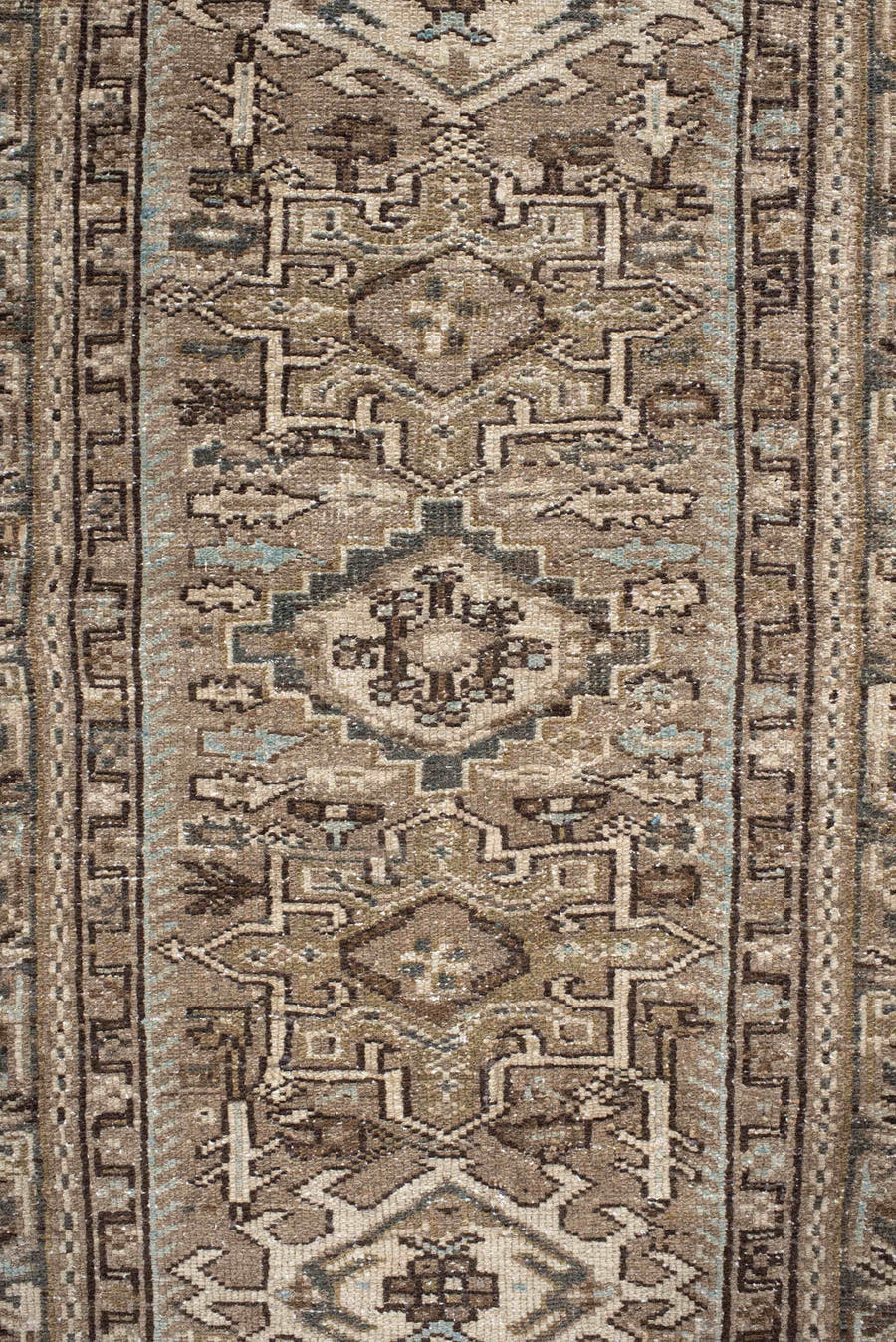
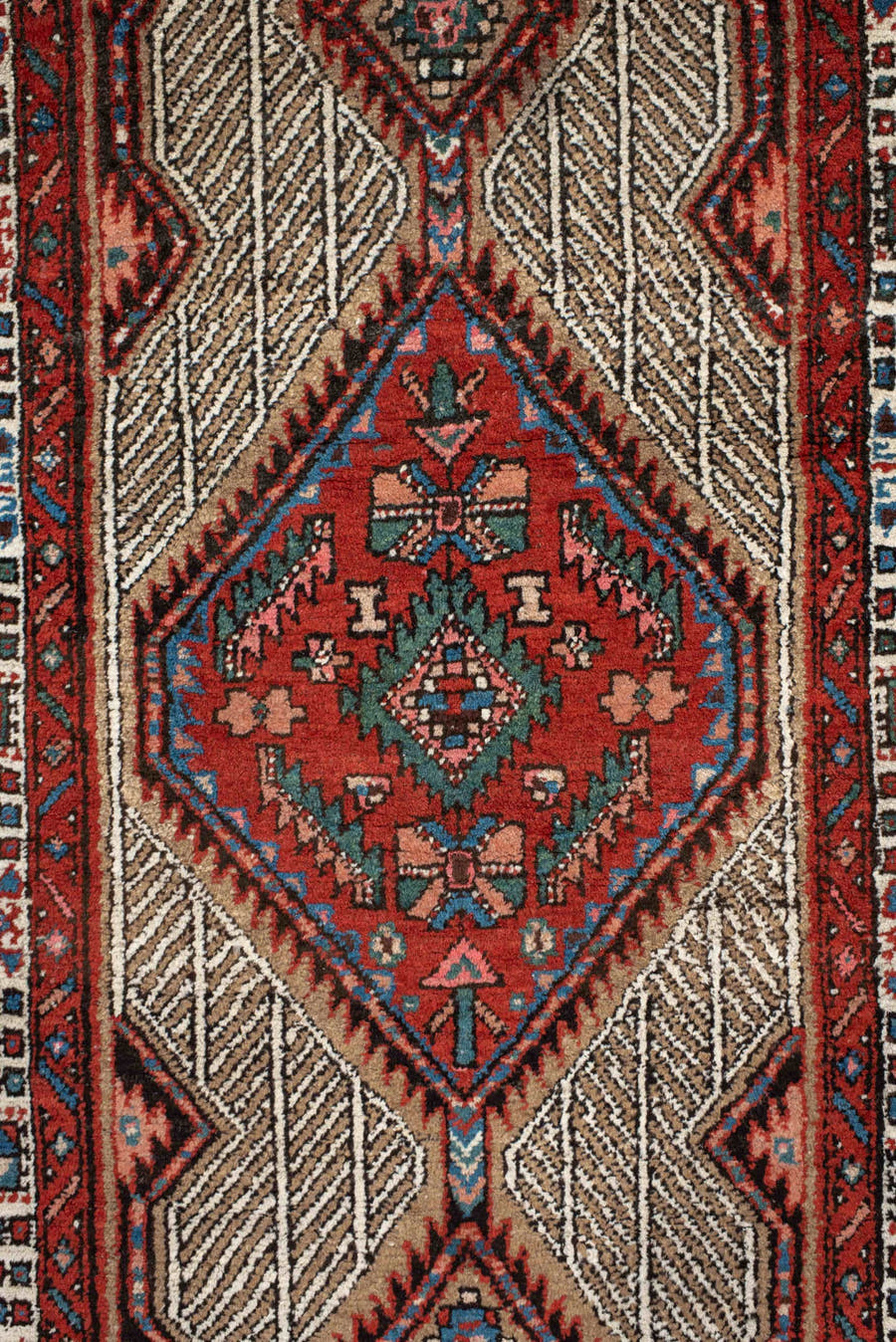
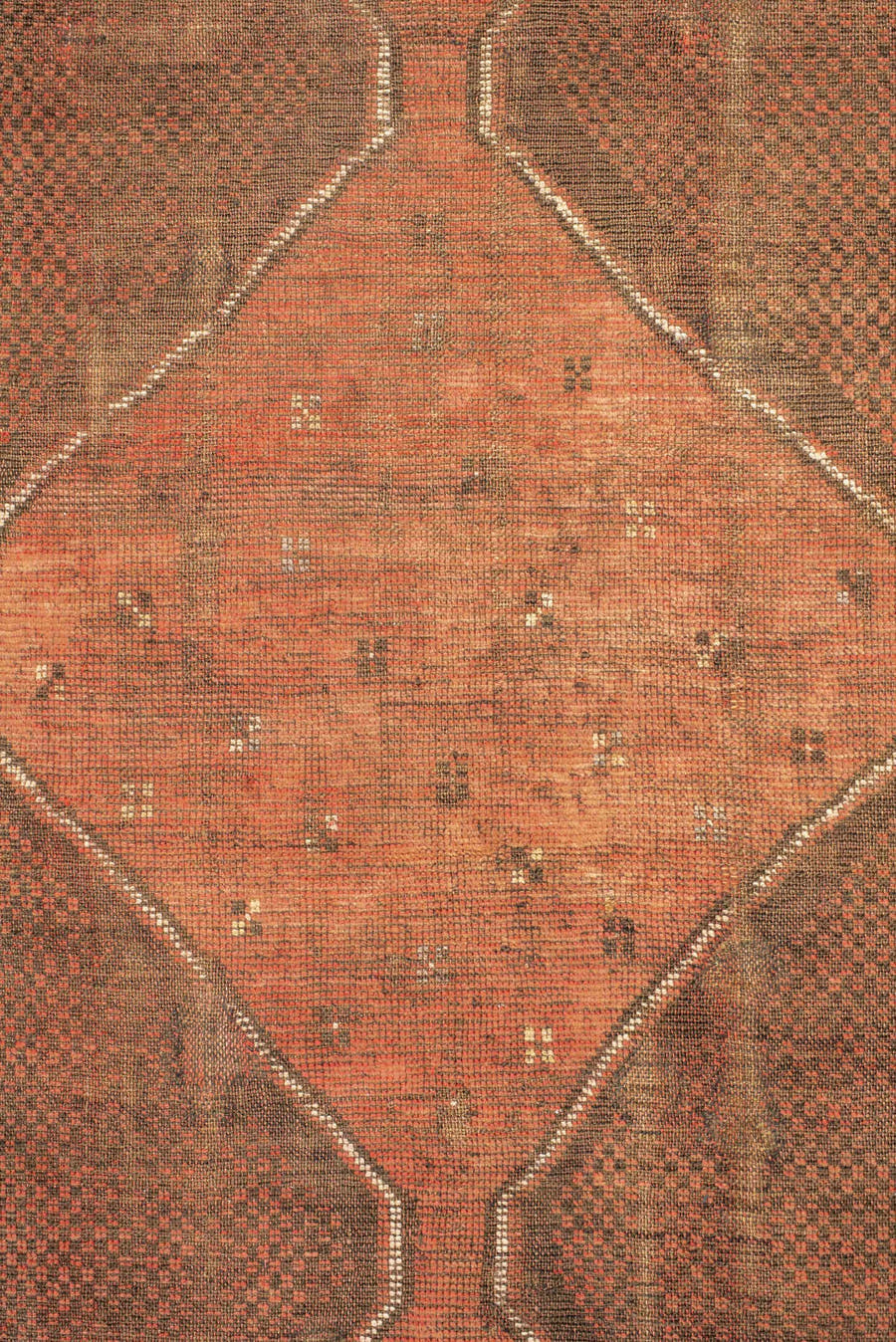
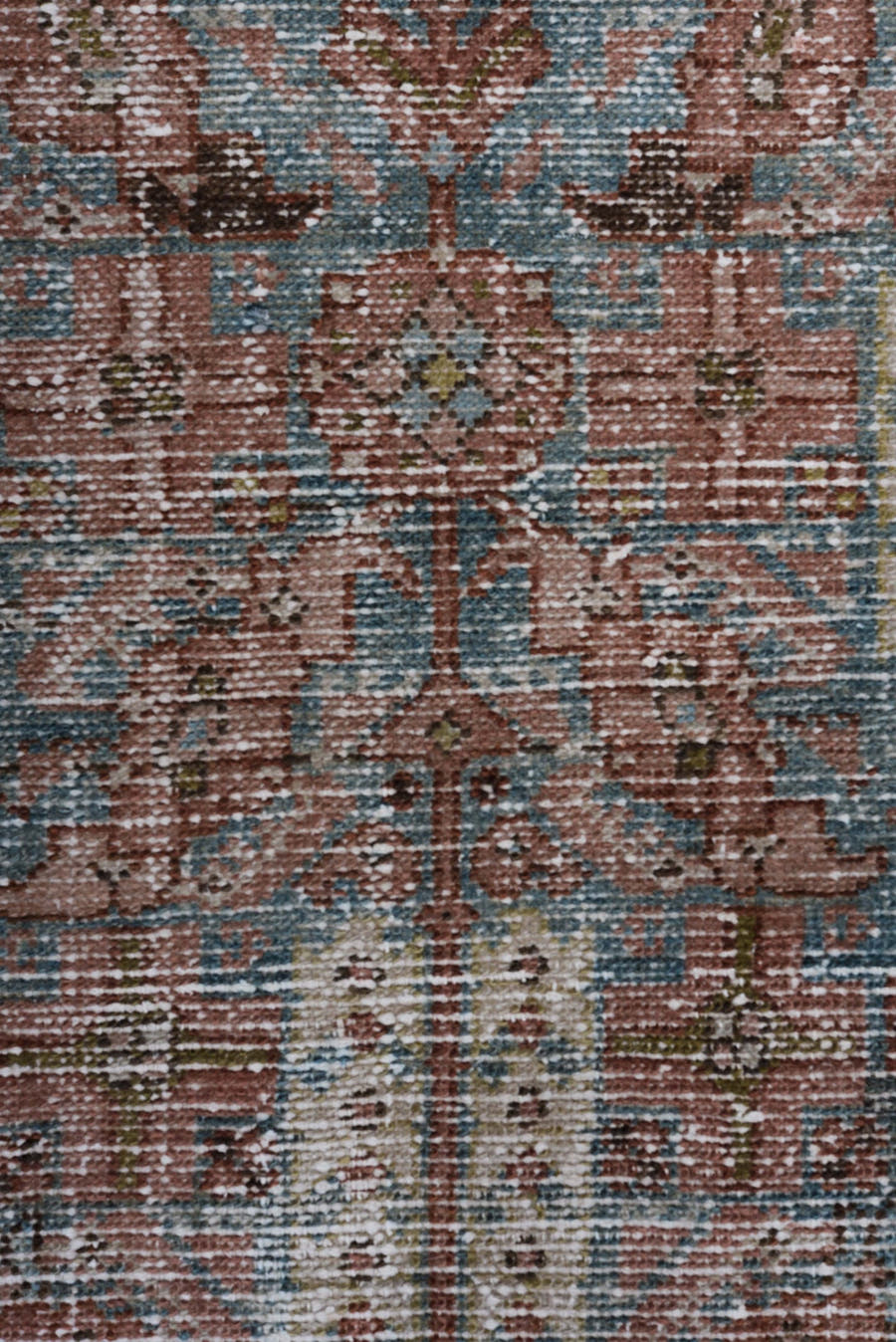
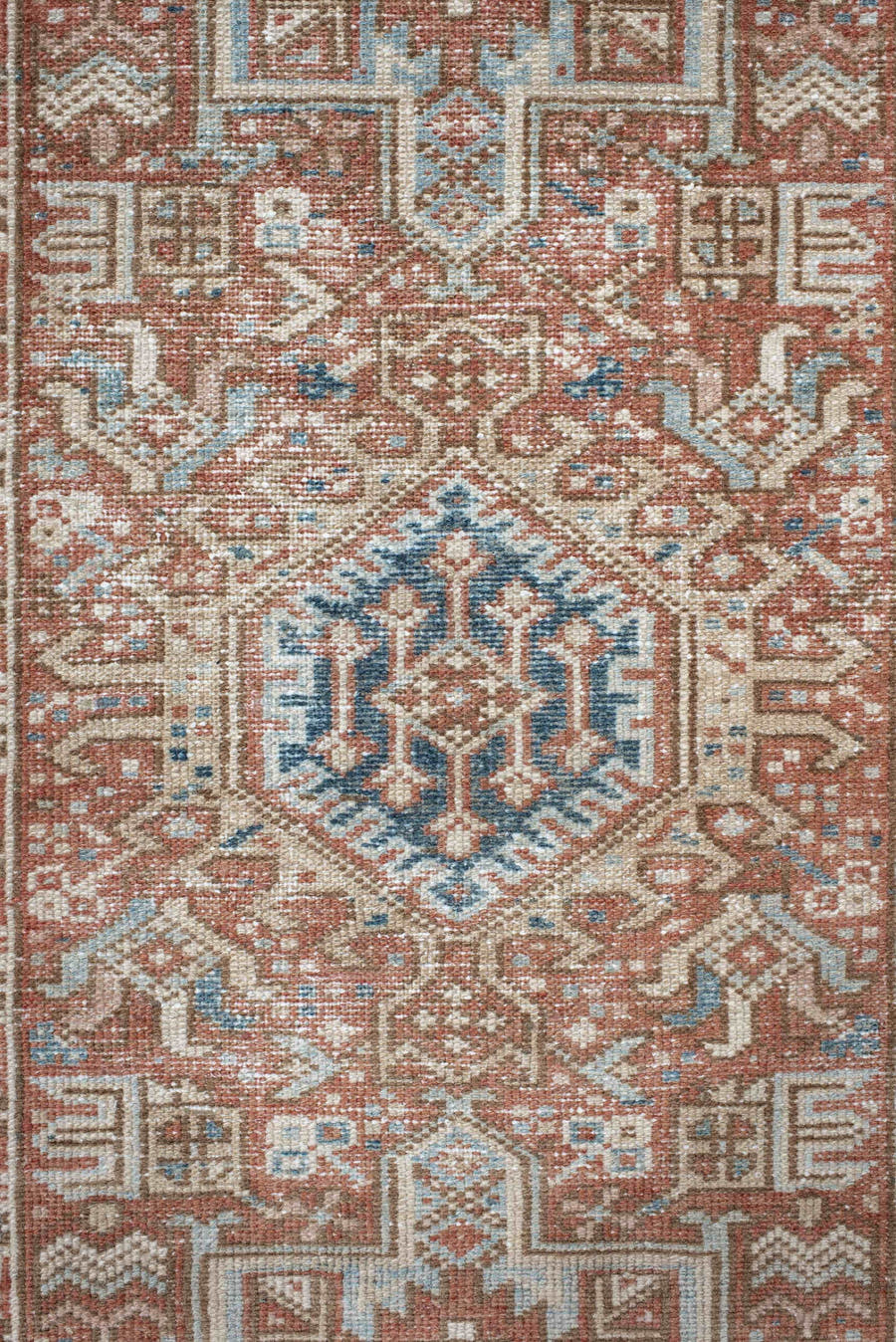
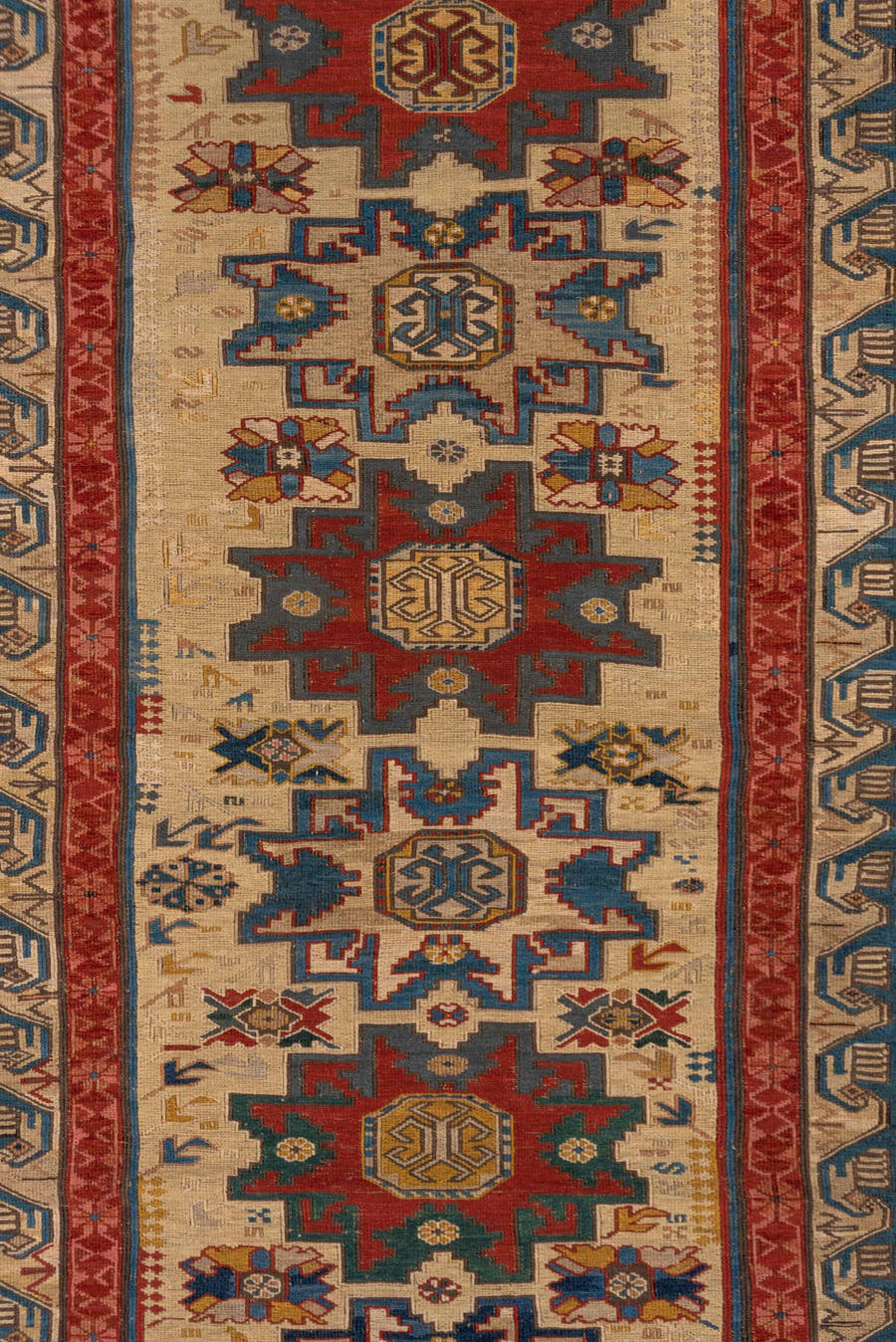
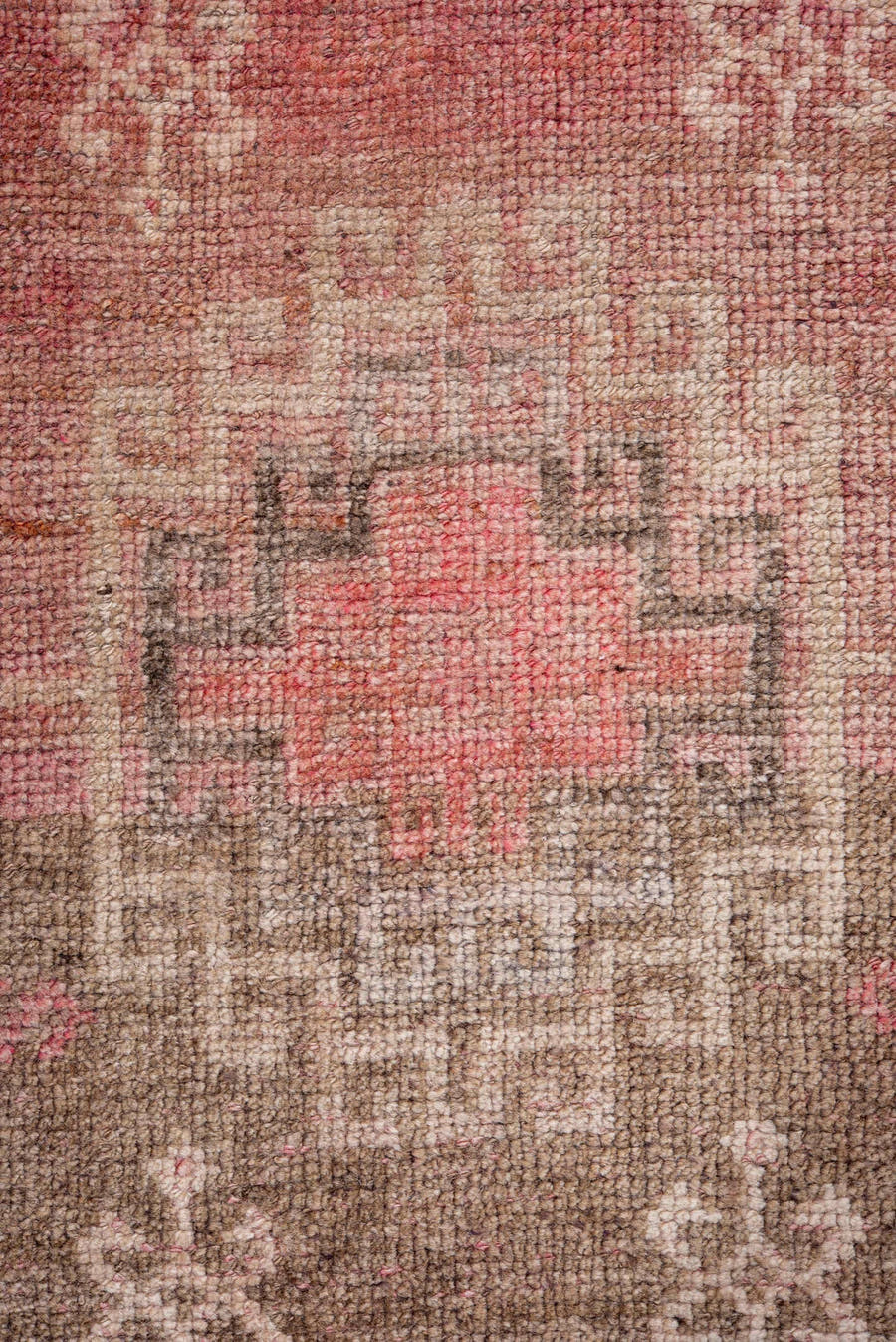
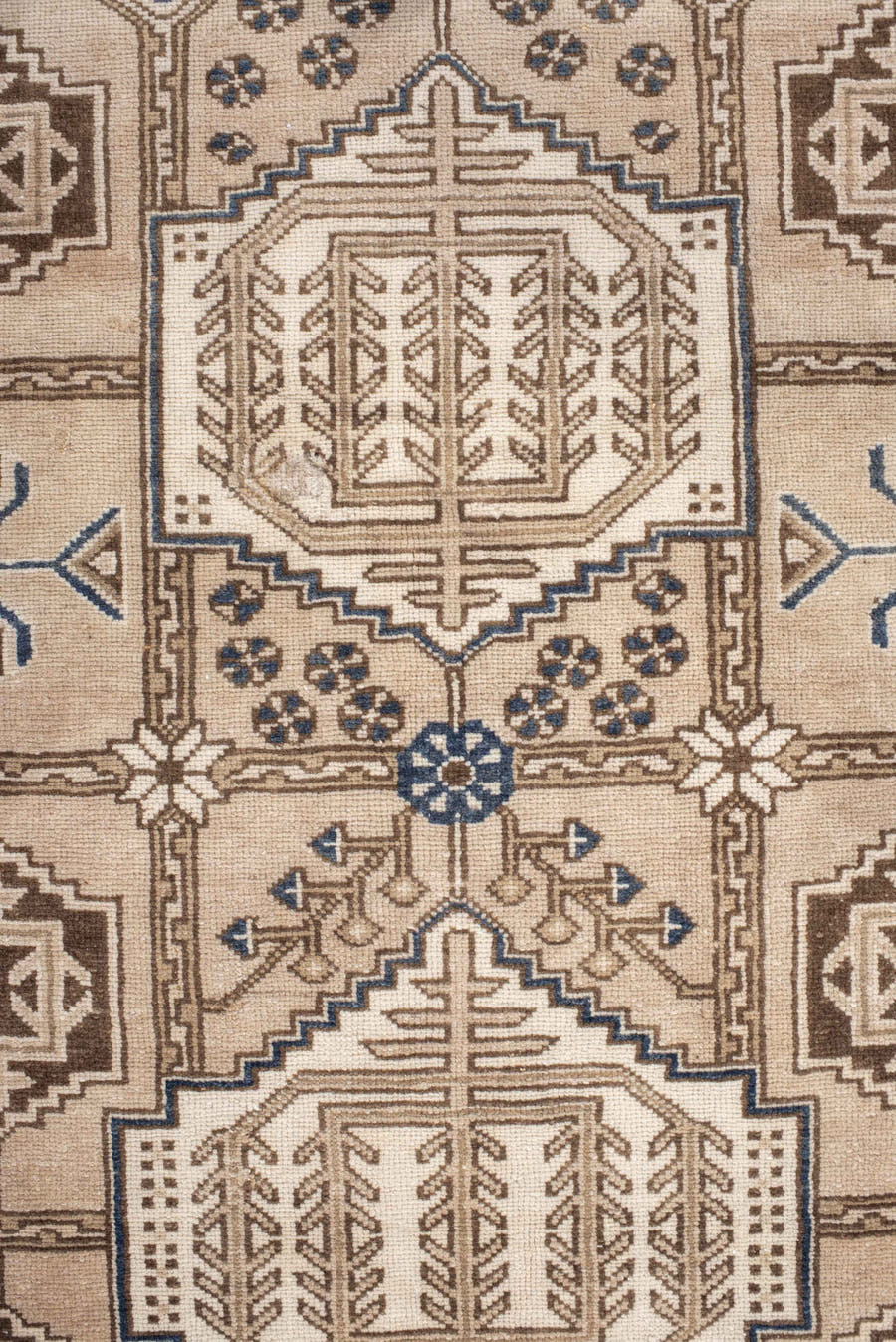
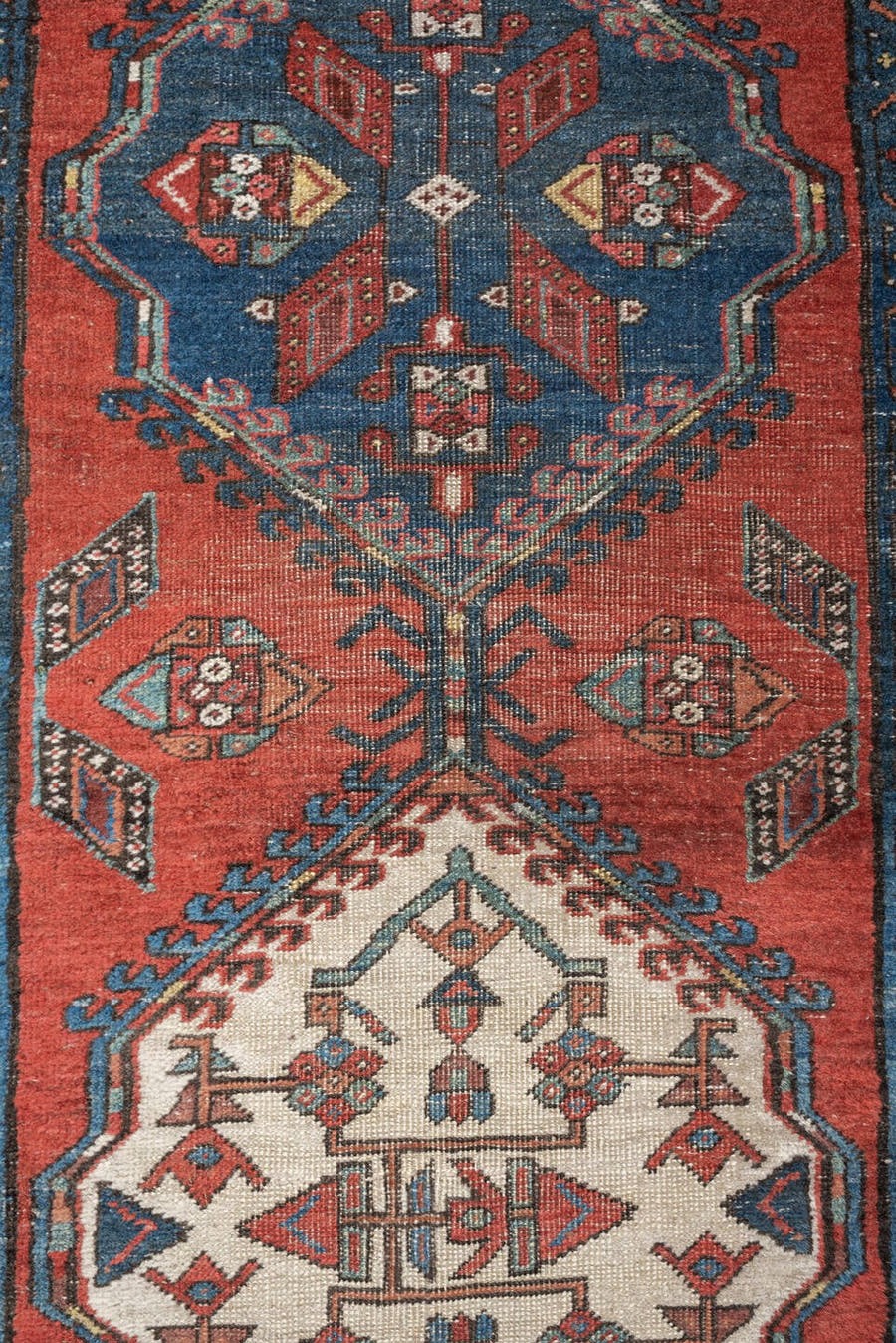
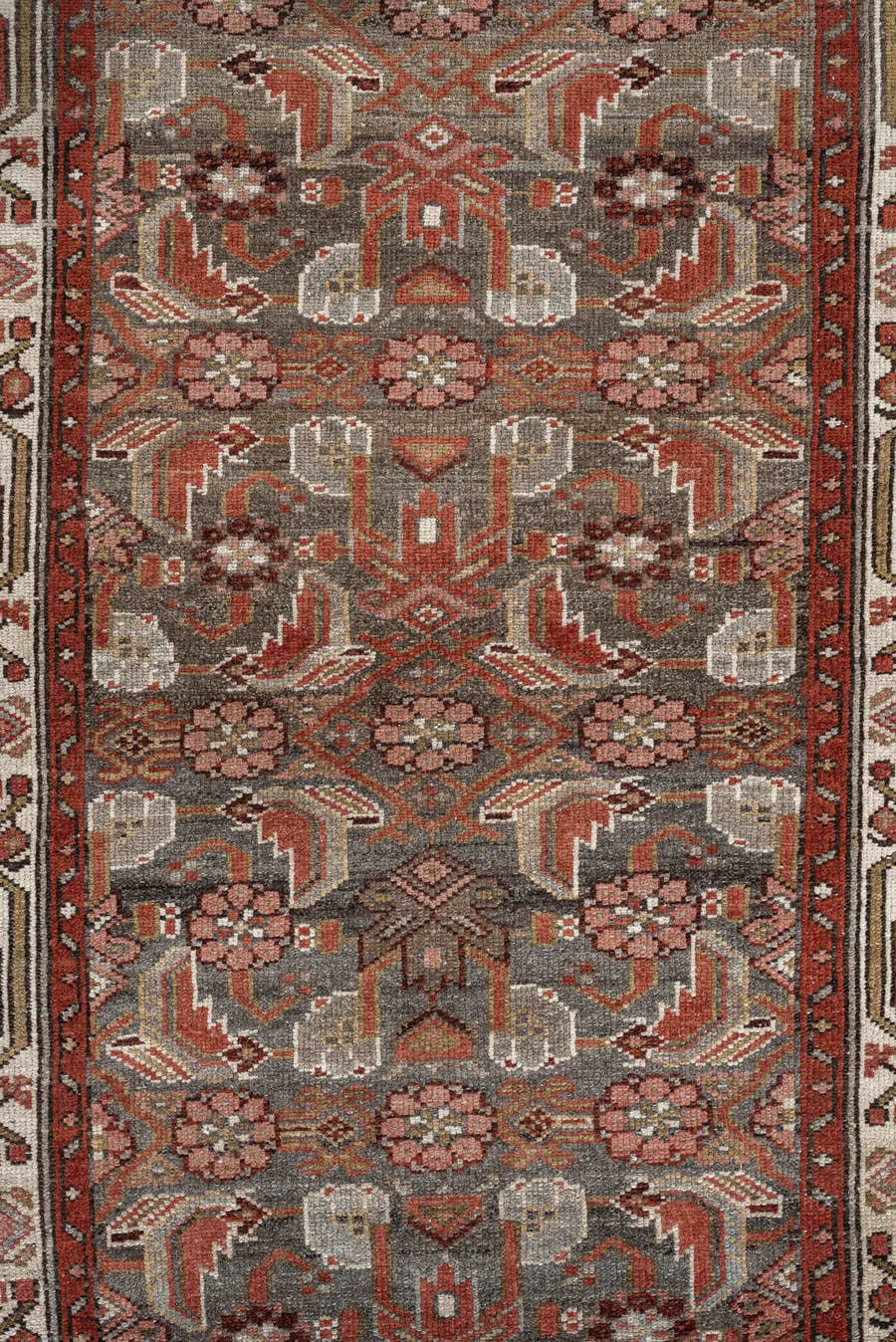
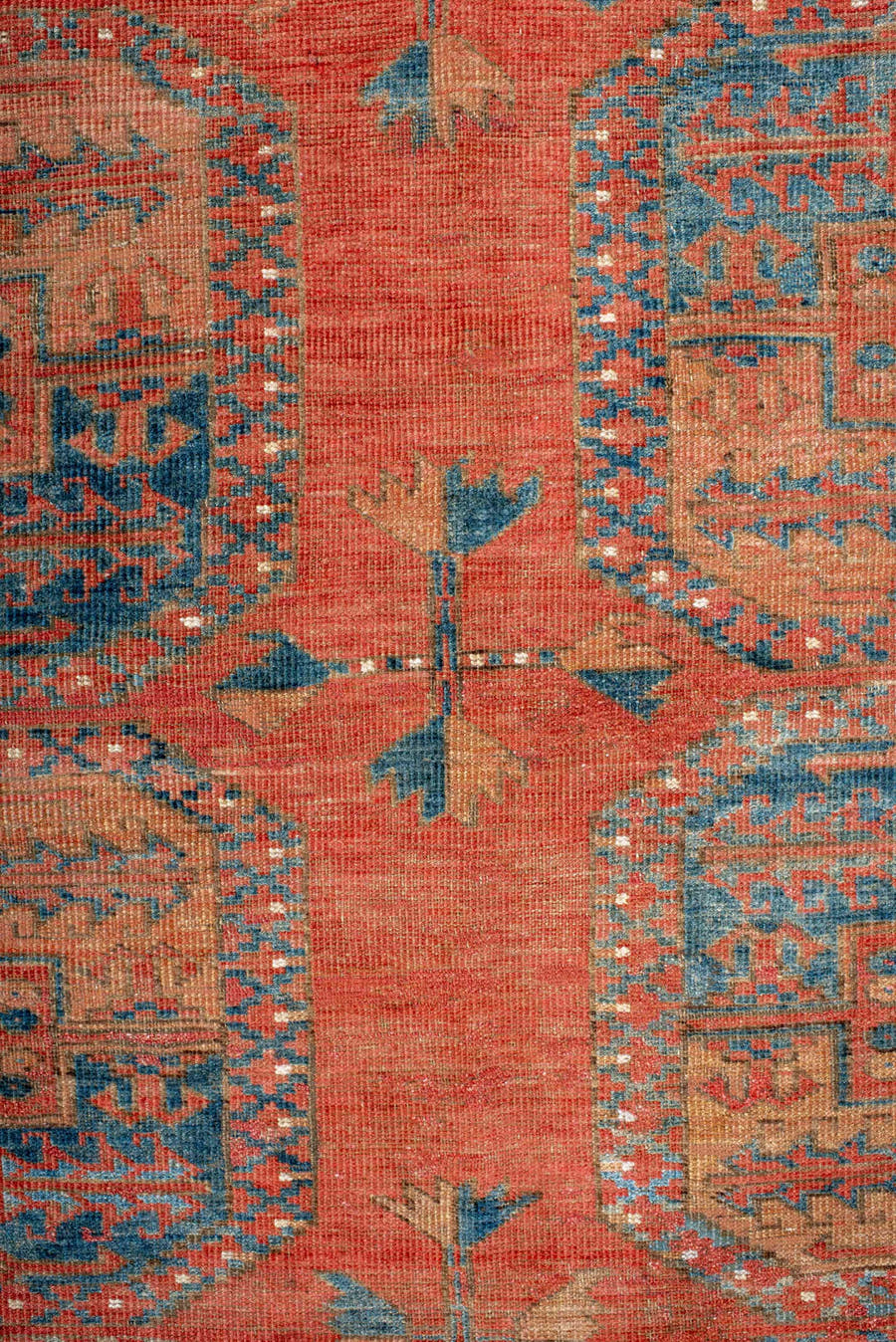
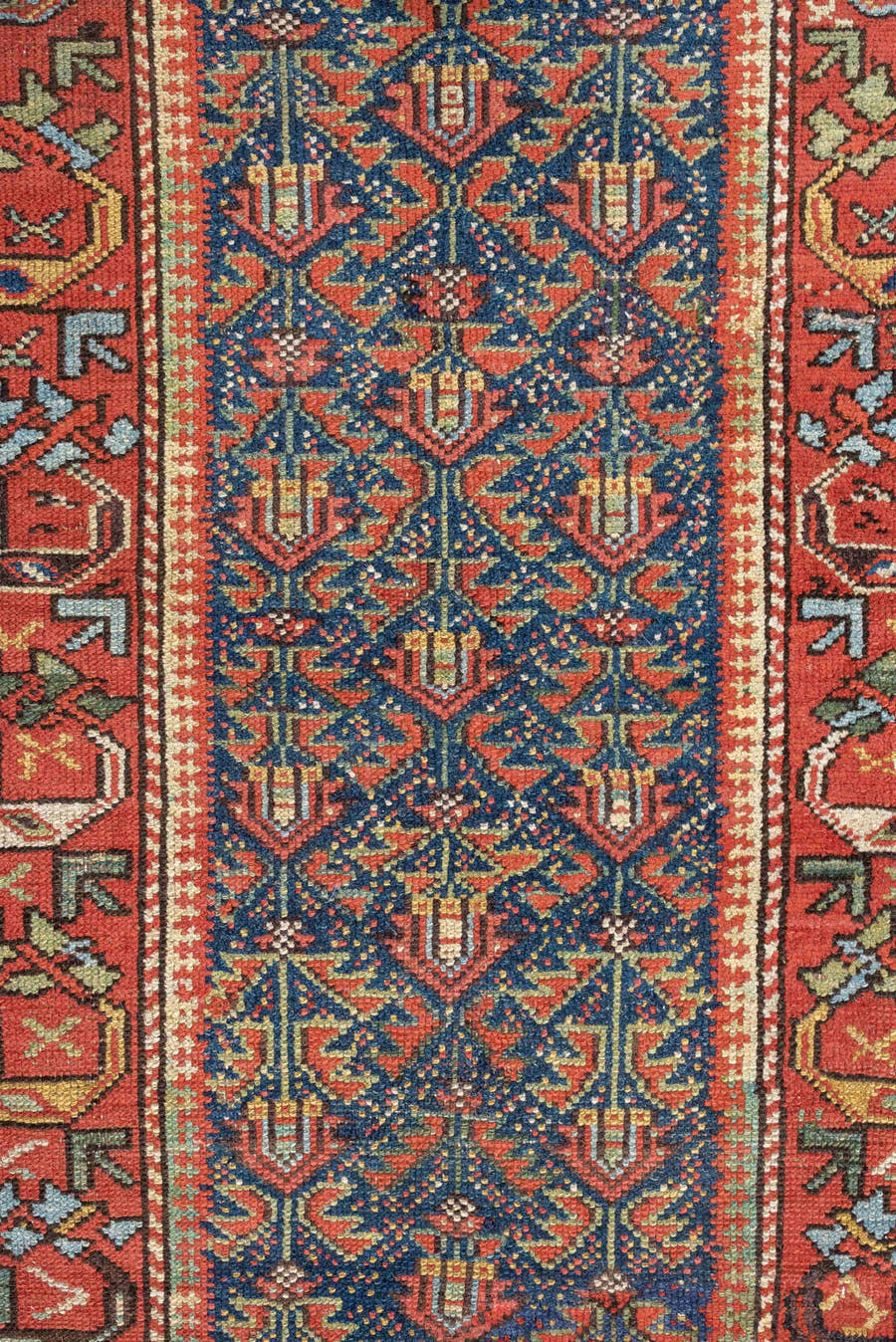
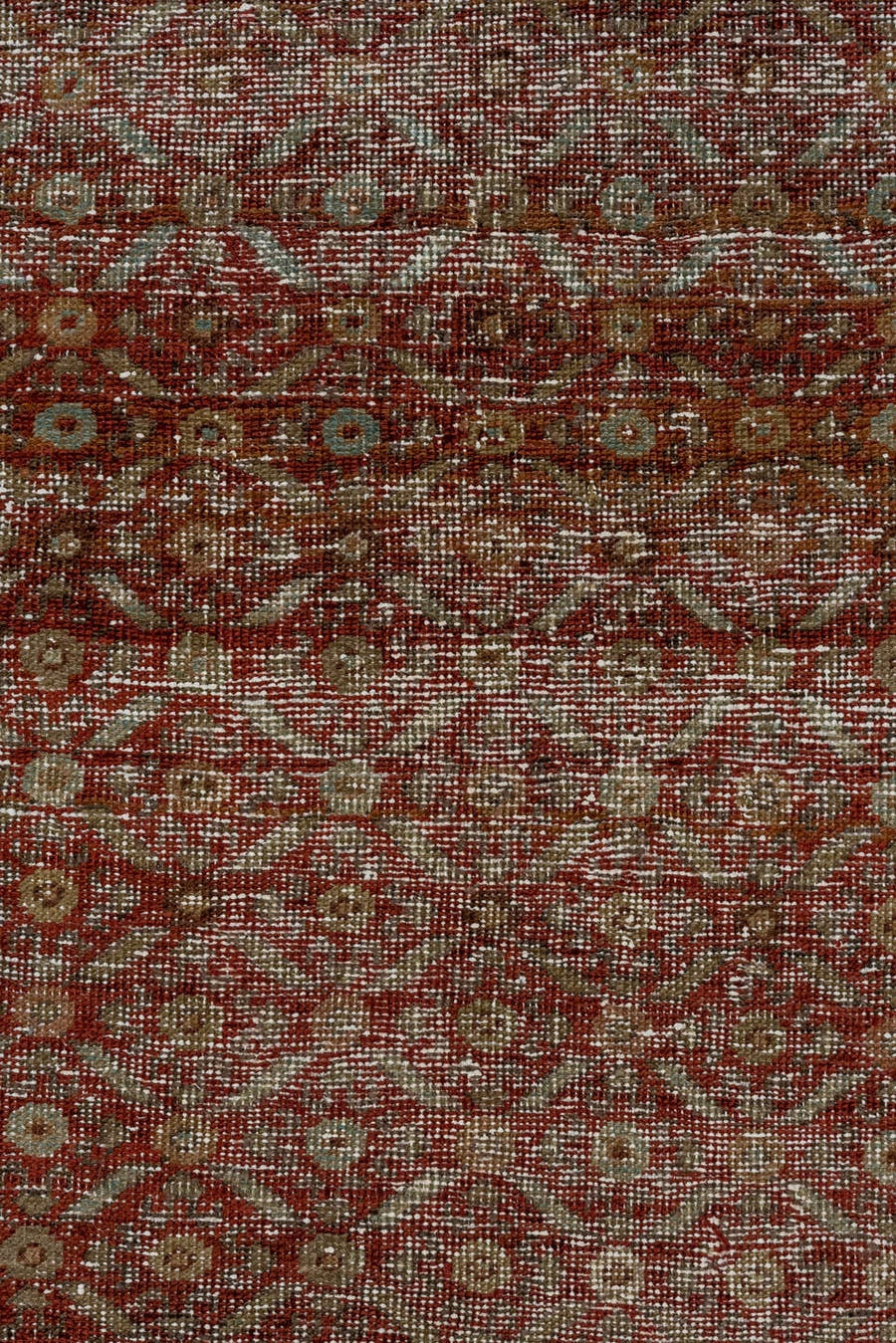
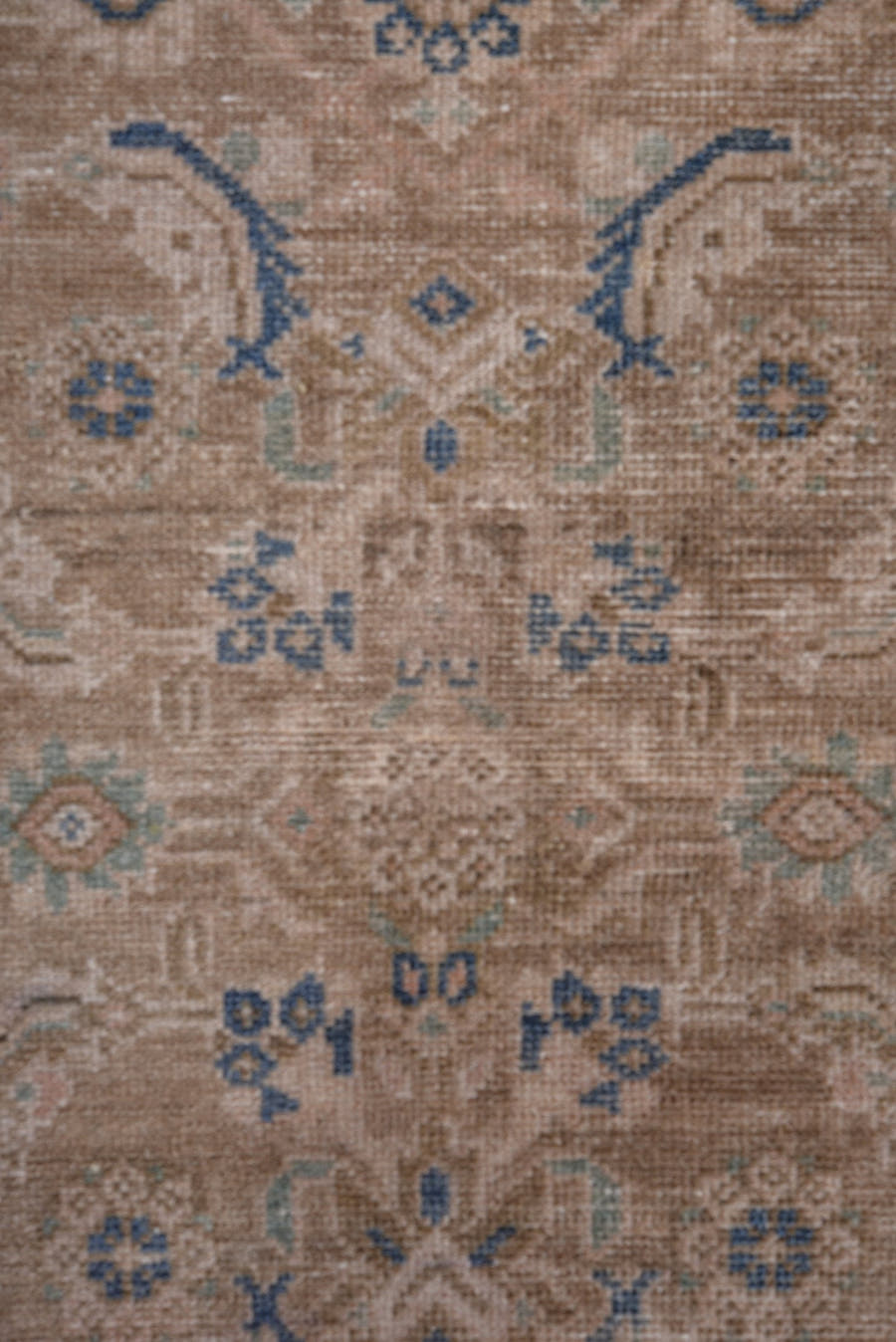
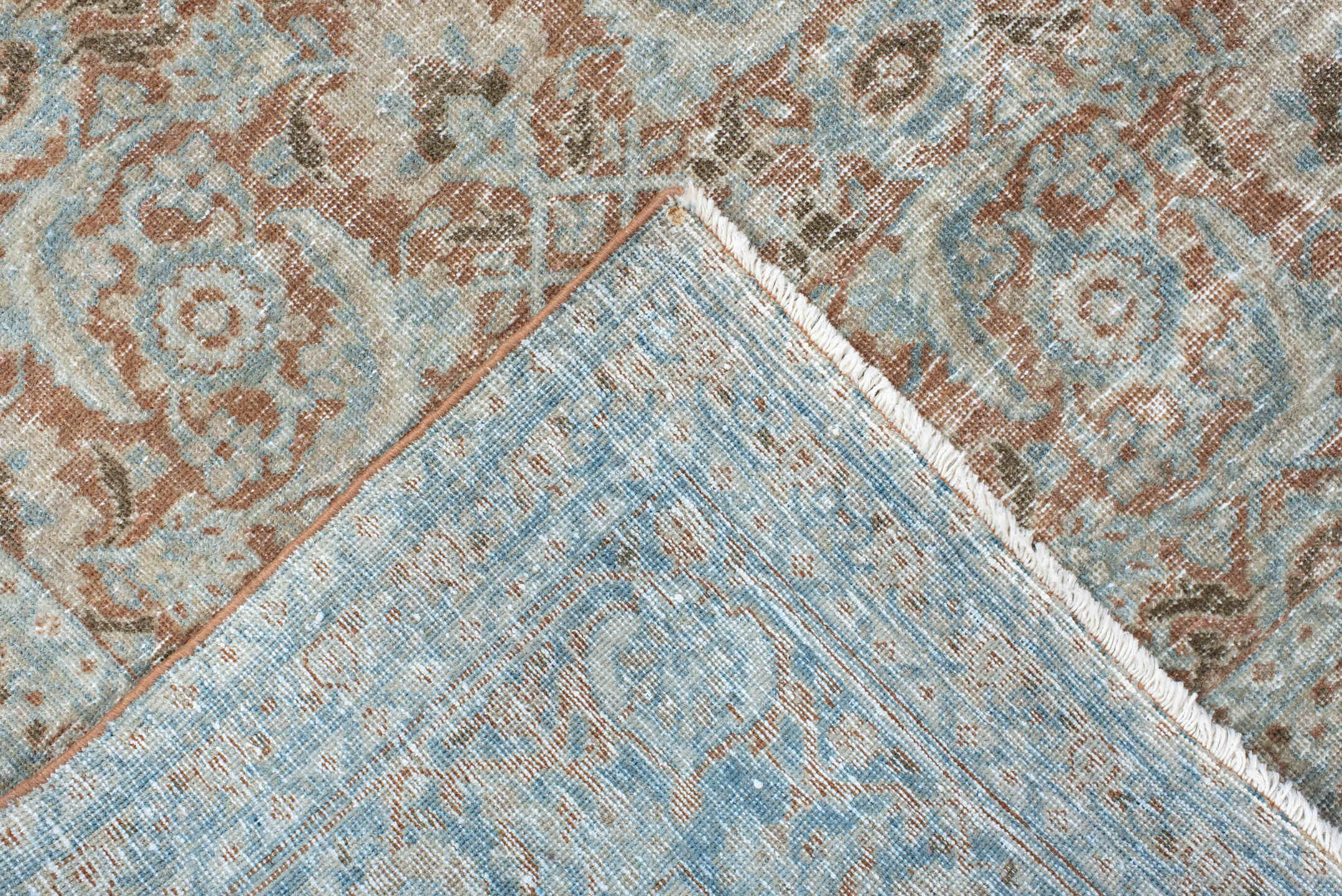
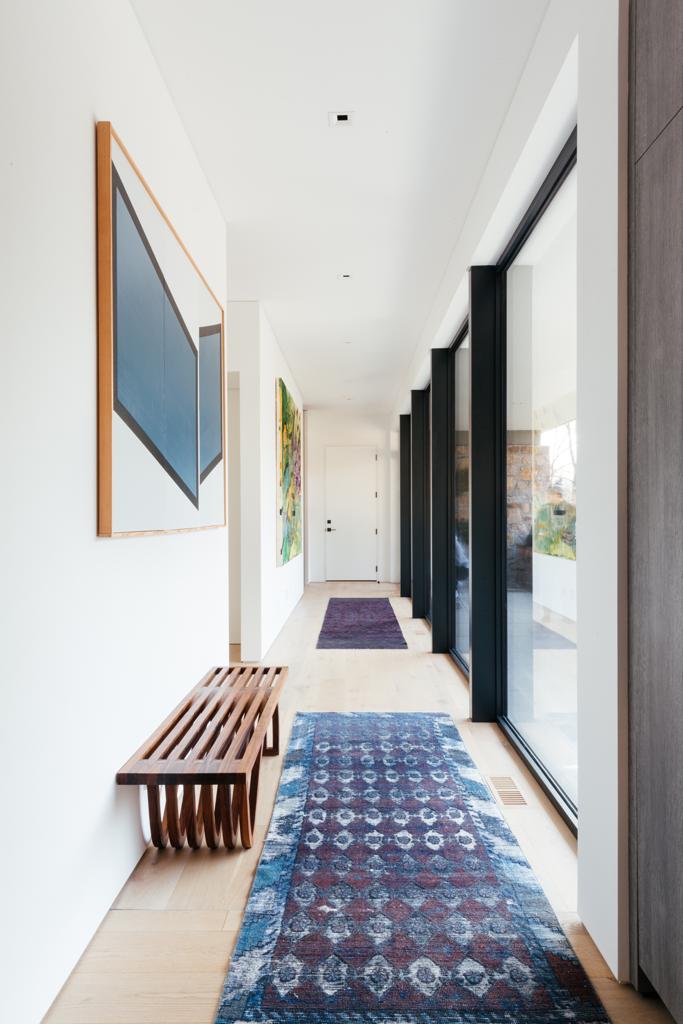
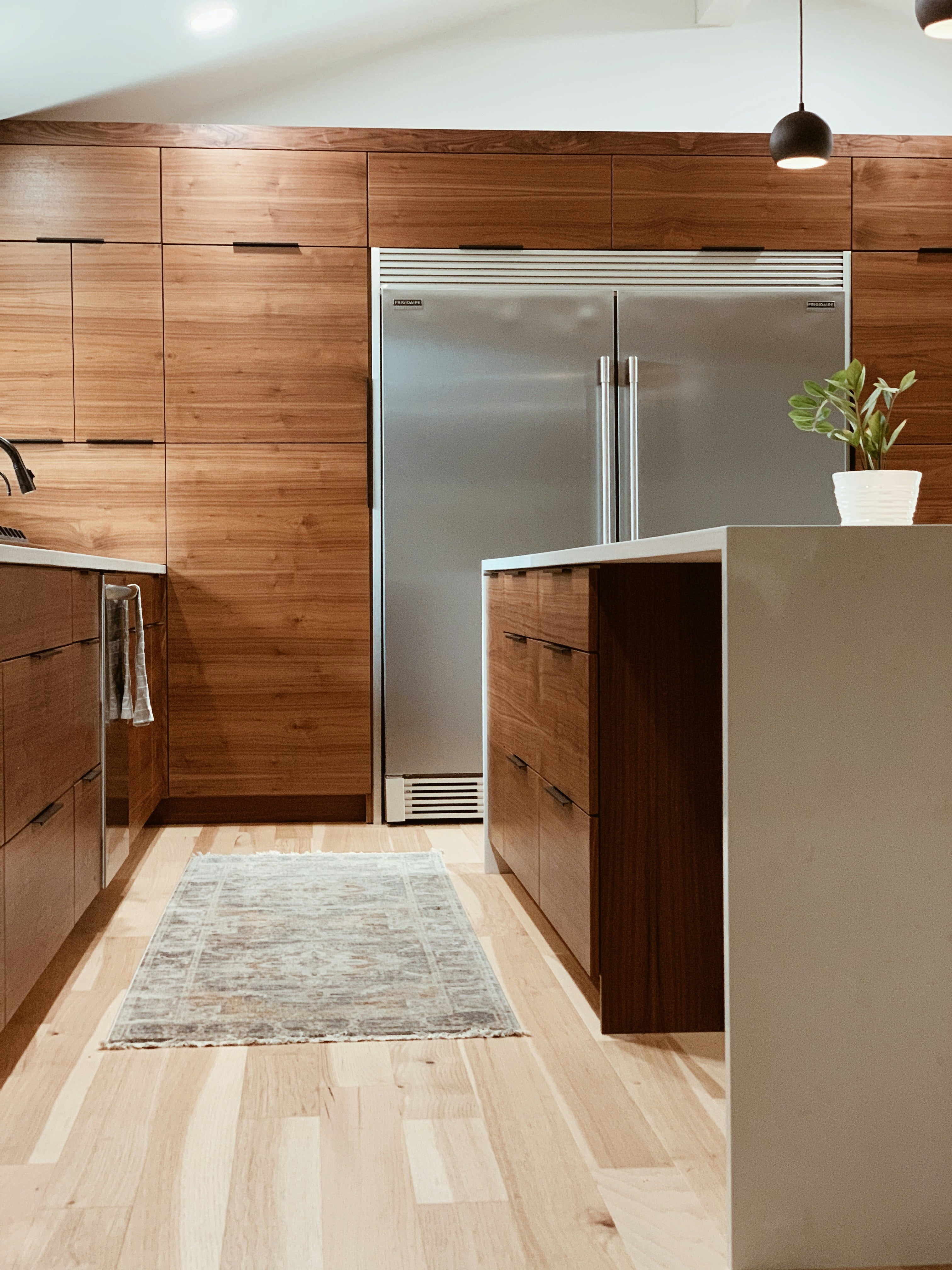
This antique Malayer runner, circa 1930, is a handmade, one-of-a-kind Persian rug distinguished by its elongated format and bold geometric medallion design. The richly patterned field pairs rust and brown tones with ivory accents, framed by a striking tribal border that showcases the crisp, graphic character prized in village weaving. Its narrow proportions and collectible early 20th-century presence make it an ideal choice for a hallway, entryway, or kitchen.
Faded warm tones of brown, rust, ivory, taupe, terracotta, and charcoal, with a brown field.
Buy with confidence: One-of-a-kind rugs, accurately described, 100% satisfaction guaranteed. Free shipping on every order.
Choose options
Buy with confidence: One-of-a-kind rugs, accurately described, 100% satisfaction guaranteed. Free shipping on every order.
Malayer rugs are woven in and around the town of Malayer in western Iran, within the greater Hamadan district. Comprising over a hundred villages each with its own subtle design traditions, the Malayer region produces hand-knotted rugs on a cotton foundation using the symmetrical Turkish knot — finer and more tightly woven than most Hamadan work.
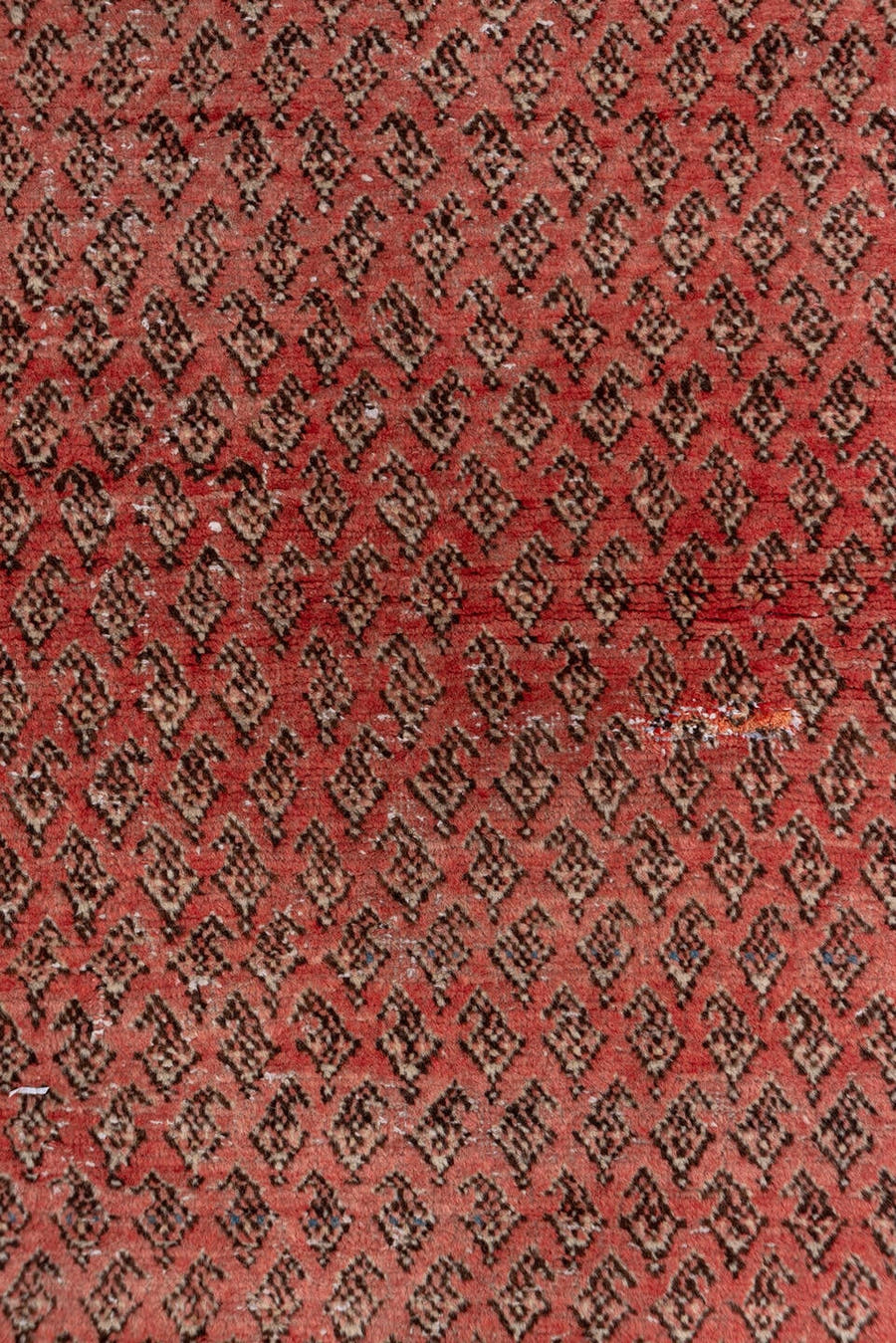
Malayer designs tend toward the geometric, with herati, mahi (fish), and stylized floral patterns rendered in a traditional palette of deep indigo, madder red, and ivory. Their precise drawing, durable construction, and handsome proportions make antique Malayer rugs a consistently sought-after choice for collectors and decorators alike.
Dimensions: 3'0" x 9'4" (91 cm x 284 cm).
Circa: 1930.
This antique Malayer runner, circa 1930, is a handmade, one-of-a-kind Persian rug distinguished by its elongated format and bold geometric medallion design. The richly patterned field pairs rust and brown tones with ivory accents, framed by a striking tribal border that showcases the crisp, graphic character prized in village weaving. Its narrow proportions and collectible early 20th-century presence make it an ideal choice for a hallway, entryway, or kitchen.
Faded warm tones of brown, rust, ivory, taupe, terracotta, and charcoal, with a brown field.