





Here is something most rug owners do not want to think about: a rug that looks clean is almost certainly not. Dust, allergens, pet dander, and fine grit work their way deep into the pile over time, well below the surface where a vacuum can reach. The good news is that caring for a rug properly is not complicated — it just requires knowing what to do and, just as importantly, what not to do.
Here is the complete guide to keeping your rug clean, fresh, and in great condition for decades.
Vacuum Regularly — But Do It Right
Regular vacuuming is the single most important thing you can do to extend the life of your rug. Fine grit and sand particles work their way into the pile and act like sandpaper on the fibers every time someone walks across the rug. Vacuuming removes this abrasive material before it can cause damage.
For most rugs, vacuuming once a week is ideal. For high-traffic areas, twice a week is better. Use a vacuum without a beater bar for handmade wool and silk rugs — the rotating brush can damage delicate fibers and pull out pile. A suction-only setting or a handheld attachment works best.
Do not vacuum the fringe. It tangles and tears. Shake it out by hand or use a soft brush instead.
Rotate Your Rug Every Six Months
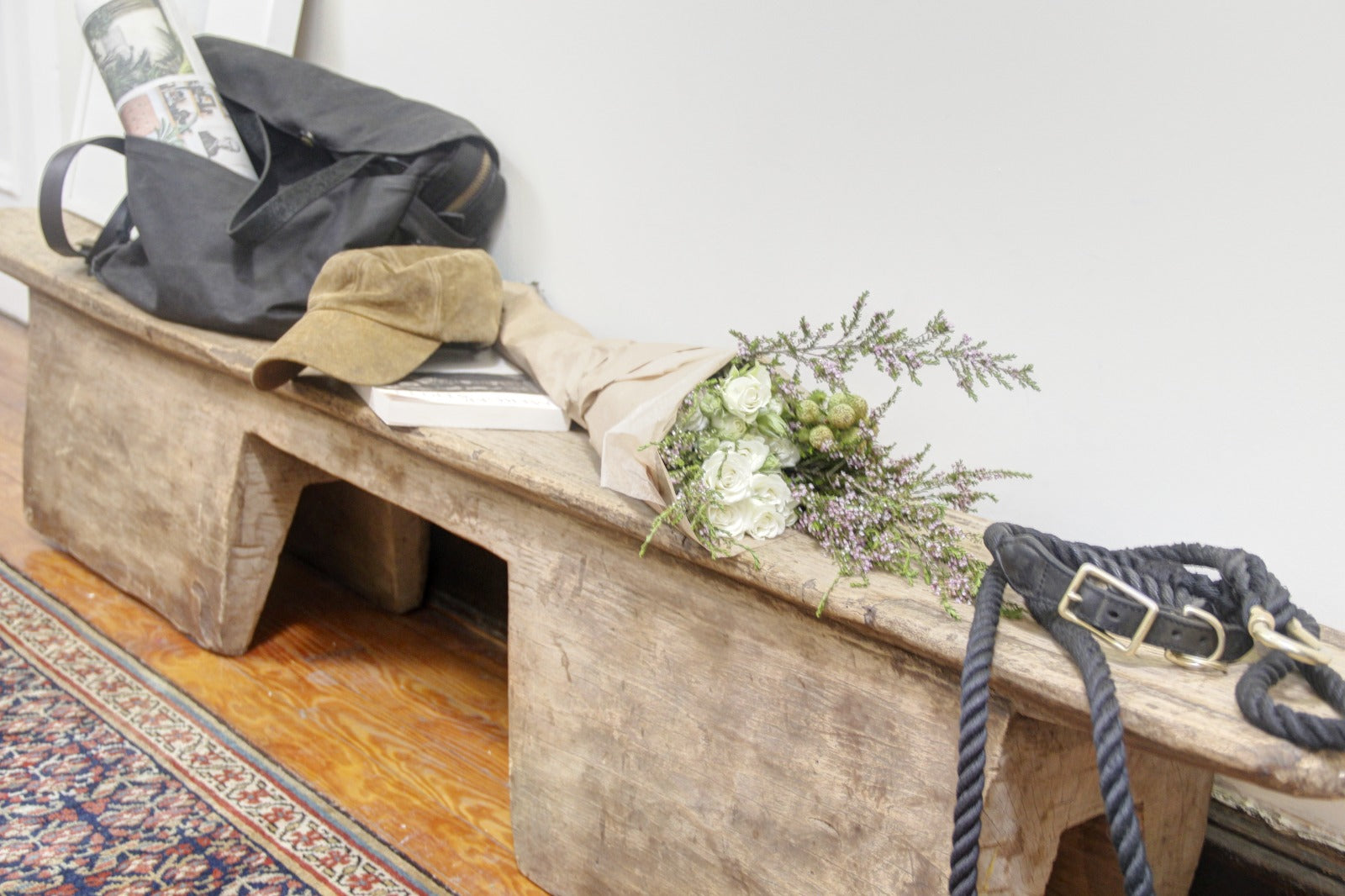
Rugs wear unevenly. The area in front of the sofa, the path between the kitchen and the dining table, the spot where everyone drops their bag when they walk in — these areas take far more traffic than the rest of the rug. Rotating your rug 180 degrees every six months distributes the wear evenly and dramatically extends the life of the piece.
Rotation also helps with fading. Rugs near windows or in rooms with strong directional light will fade unevenly if left in the same position year after year.
Deal With Spills Immediately
Speed is everything with spills. The longer a liquid sits in the pile, the deeper it penetrates and the harder it is to remove. Here is the right approach for most spills on wool and natural fiber rugs.
Blot, do not rub. Use a clean white cloth and press firmly to absorb as much liquid as possible. Rubbing spreads the stain and pushes it deeper into the fibers. Work from the outside of the spill toward the center to prevent spreading.
For water-based spills like wine, juice, or coffee, blot up as much as possible, then apply a small amount of cold water and blot again. Repeat until the stain is gone. For oil-based spills, sprinkle a small amount of baking soda or cornstarch on the area first to absorb the oil, then vacuum and treat with a small amount of dish soap diluted in cold water.
Never use hot water on a wool rug — it can cause shrinkage and color bleeding. Never use bleach on any natural fiber rug.
Deep Clean Once or Twice a Year
Even with regular vacuuming, rugs need a deeper clean periodically to remove the dirt and oils that accumulate below the surface. For most handmade wool rugs, professional cleaning once a year is the gold standard. A good rug cleaner will wash the rug by hand, rinse it thoroughly, and hang it to dry properly — a process that removes deep-seated dirt without damaging the fibers or dyes.
For less delicate rugs — flatweave cotton rugs, for example — you can often clean them at home. Take the rug outside, beat it gently to dislodge dust, then wash with a mild soap and cold water using a soft brush. Rinse thoroughly and hang to dry completely before bringing it back inside. Never put a handmade wool or silk rug in a washing machine.
Use a Rug Pad
A rug pad does more than prevent slipping. It creates a buffer between the rug and the floor that reduces the abrasion caused by foot traffic, allows air to circulate under the rug to prevent mold and mildew, and adds cushioning that reduces wear on the pile. A good rug pad can add years to the life of your rug.
Replace your rug pad every few years — they break down over time and a deteriorating pad can actually damage your floors.
Store Rugs Properly
If you need to store a rug, roll it — never fold it. Folding creates permanent creases that can crack the foundation of the rug over time. Roll the rug pile-side in, wrap it in breathable fabric like cotton muslin (never plastic, which traps moisture), and store it in a cool, dry place away from direct sunlight.
Add cedar blocks or lavender sachets to deter moths, which are the number one enemy of wool rugs in storage.
The Bottom Line
A well-made rug that is properly cared for will outlast almost everything else in your home. The investment in regular maintenance — vacuuming, rotating, prompt stain treatment, and annual professional cleaning — pays for itself many times over in the extended life of the piece.
Subscribe to our newsletter for care guides, styling tips, and new arrivals delivered straight to your inbox. Contact us if you have a specific care question or need advice on treating a stain. Shop our full collection of handmade rugs built to last a lifetime.