
If you have ever walked into a beautifully styled room and felt like something was working that you could not quite put your finger on, there is a reasonable chance a kilim rug was involved. Kilims are one of the most versatile, durable, and visually compelling types of rugs in the world — and they are consistently underestimated by people who have not yet lived with one.
Here is everything you need to know about kilim rugs and why they deserve a place in your home.
What Is a Kilim?
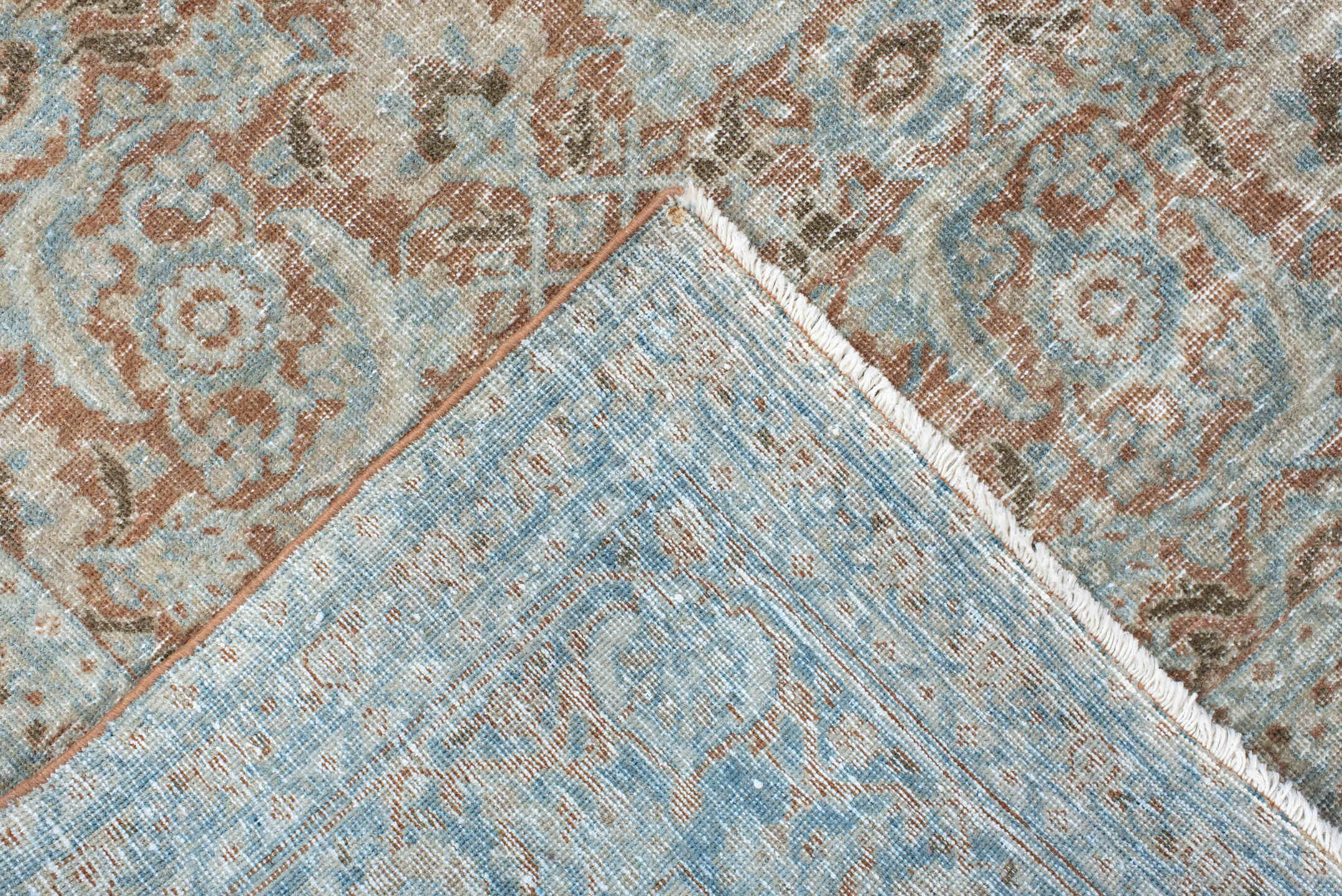
A kilim is a flatweave rug — meaning it has no pile. Unlike hand-knotted rugs, which have a raised, textured surface created by individual knots tied around the warp threads, kilims are woven on a loom with the weft threads interlocked to create the pattern. The result is a flat, reversible textile that is thinner and lighter than a pile rug but no less beautiful.
Kilims have been woven for thousands of years across a vast geographic region that stretches from Morocco in the west through Turkey, the Caucasus, Iran, Afghanistan, and into Central Asia. Each region has its own distinct visual vocabulary — bold geometric patterns, tribal motifs, stylized animals and plants — and an experienced eye can often identify where a kilim was made just by looking at its design.
Why Kilims Work in Modern Homes
The flatweave construction that defines kilims is also what makes them so adaptable to contemporary interiors. Without the visual weight of a thick pile, kilims sit lightly in a room. They add pattern and color without dominating the space. They work under furniture without creating awkward height differences. And because they are reversible, you can flip them when one side shows wear — effectively doubling their lifespan.
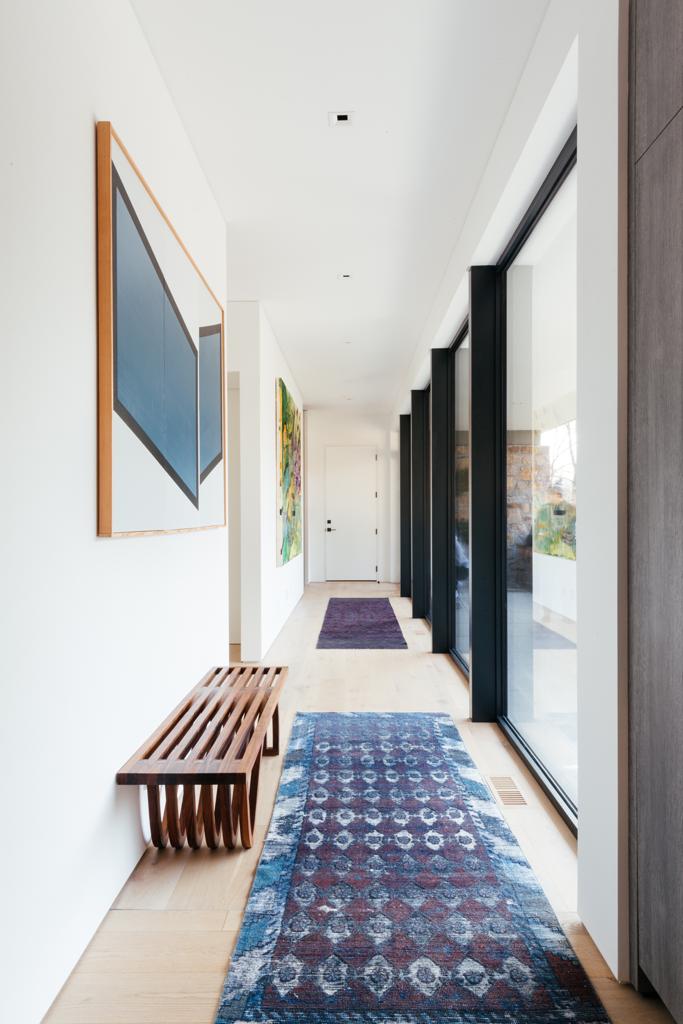
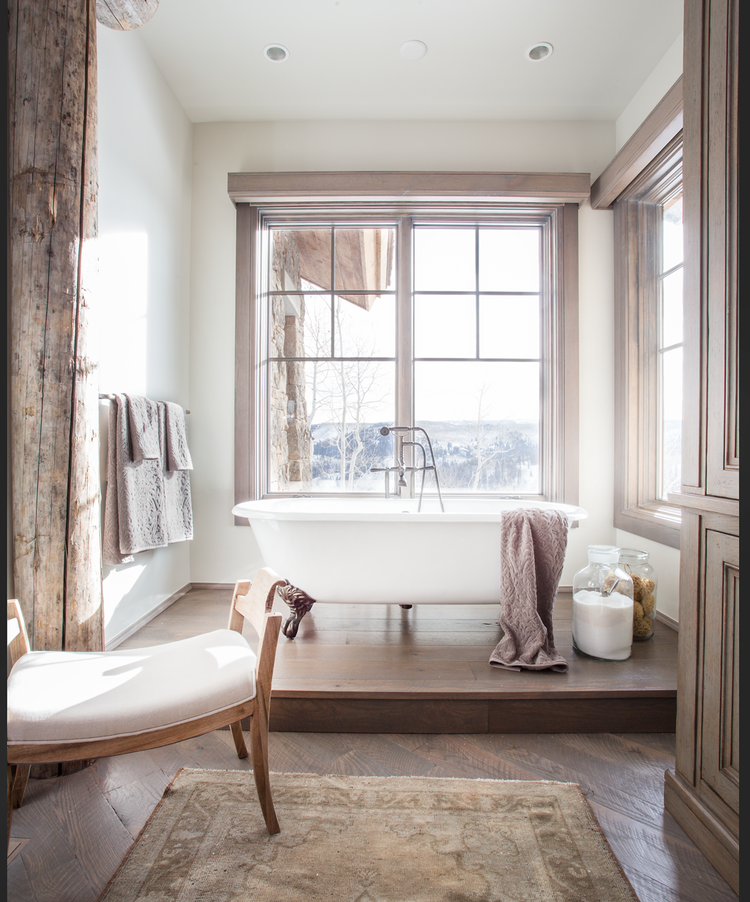
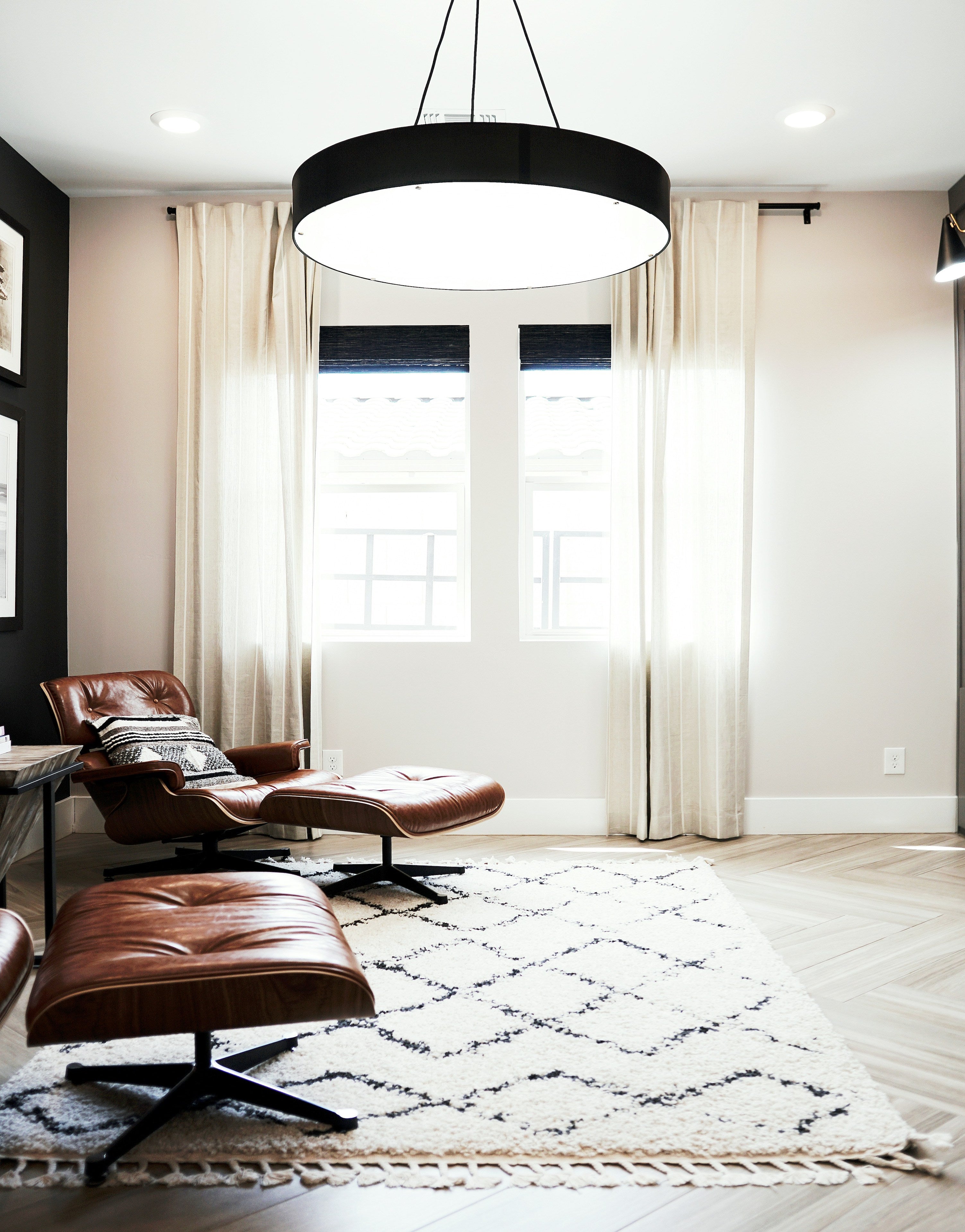
In a modern or minimalist interior, a kilim with bold geometric patterns adds the warmth and human touch that clean-lined furniture often lacks. In a more traditional or eclectic space, a kilim layers beautifully with other textiles and patterns. They are one of the few types of rugs that genuinely work in almost any context.
The Practical Advantages
Beyond aesthetics, kilims have real practical advantages that pile rugs do not.
They are easier to clean. The flat surface does not trap dirt and debris the way a deep pile does, and many kilims can be spot-cleaned at home with cold water and mild soap. They dry quickly, which reduces the risk of mold and mildew.
They are lighter and easier to move. A large kilim weighs a fraction of what a comparable pile rug weighs, which makes rearranging furniture and cleaning underneath much less of a production.
They work brilliantly as dining room rugs. Chair legs do not catch on a flat surface, and spills are easier to address on a flatweave than on a deep pile.
They are ideal for layering. A kilim as the top layer over a larger jute or sisal base rug is one of the most popular and effective layering combinations in interior design right now.
Turkish Kilims vs. Moroccan Kilims
The two most widely available and sought-after kilim traditions are Turkish and Moroccan, and they have distinct personalities.
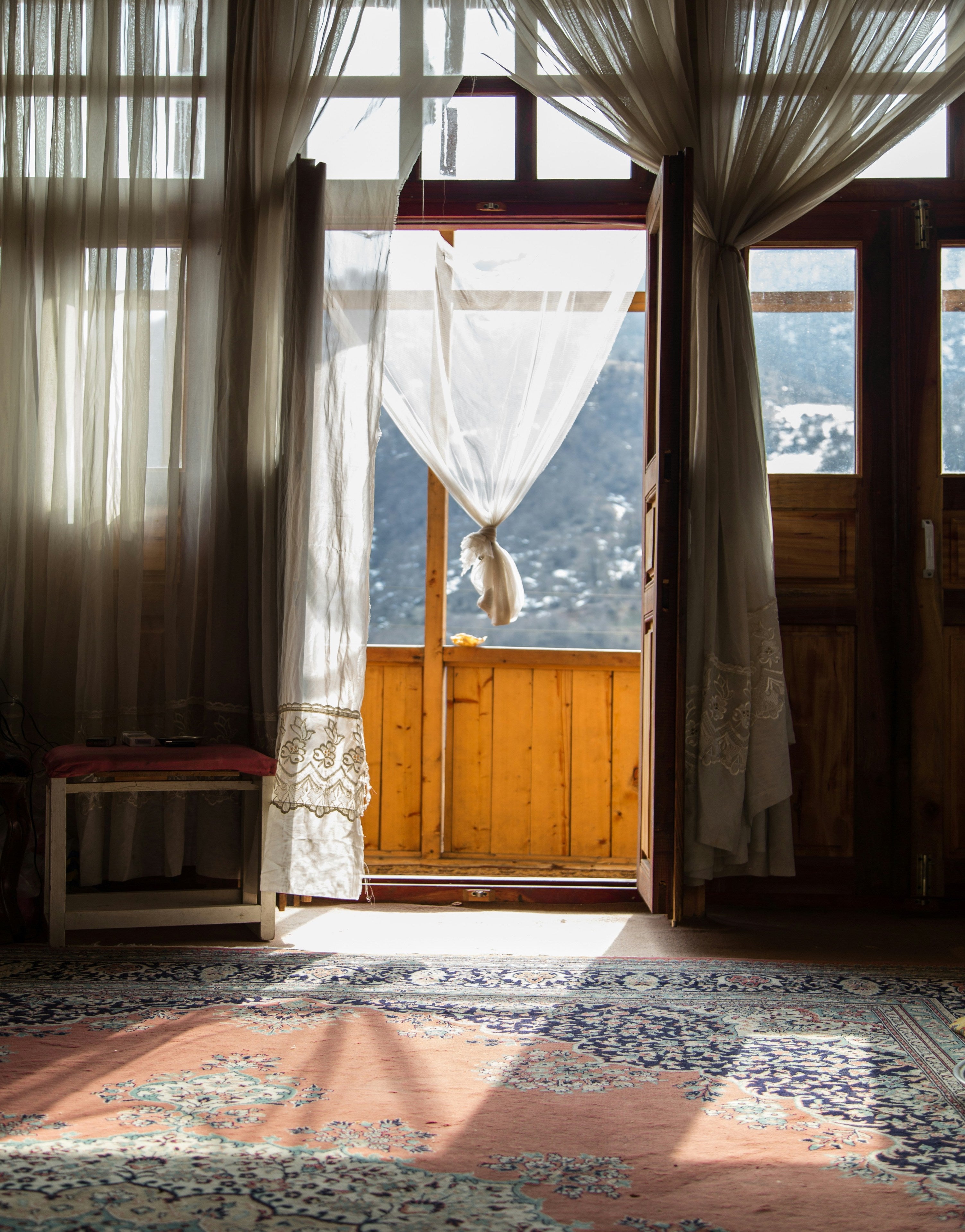
Turkish kilims tend to feature bold, angular geometric patterns in rich jewel tones — deep reds, blues, greens, and golds. The patterns are often highly structured and symmetrical, reflecting the sophisticated weaving traditions of Anatolia. Vintage Turkish kilims from the mid-20th century are particularly prized right now.
Moroccan kilims — often called Zanafi or Hanbel kilims — tend to be more graphic and abstract, with a rawer, more tribal energy. The color palettes can range from earthy naturals to surprisingly vivid combinations. They have a looseness and spontaneity that Turkish kilims often do not, which makes them feel particularly at home in bohemian and organic modern interiors.
How to Style a Kilim
The most common mistake people make with kilims is treating them too carefully. Kilims are working rugs with centuries of history as everyday objects. They are meant to be used, walked on, and lived with.
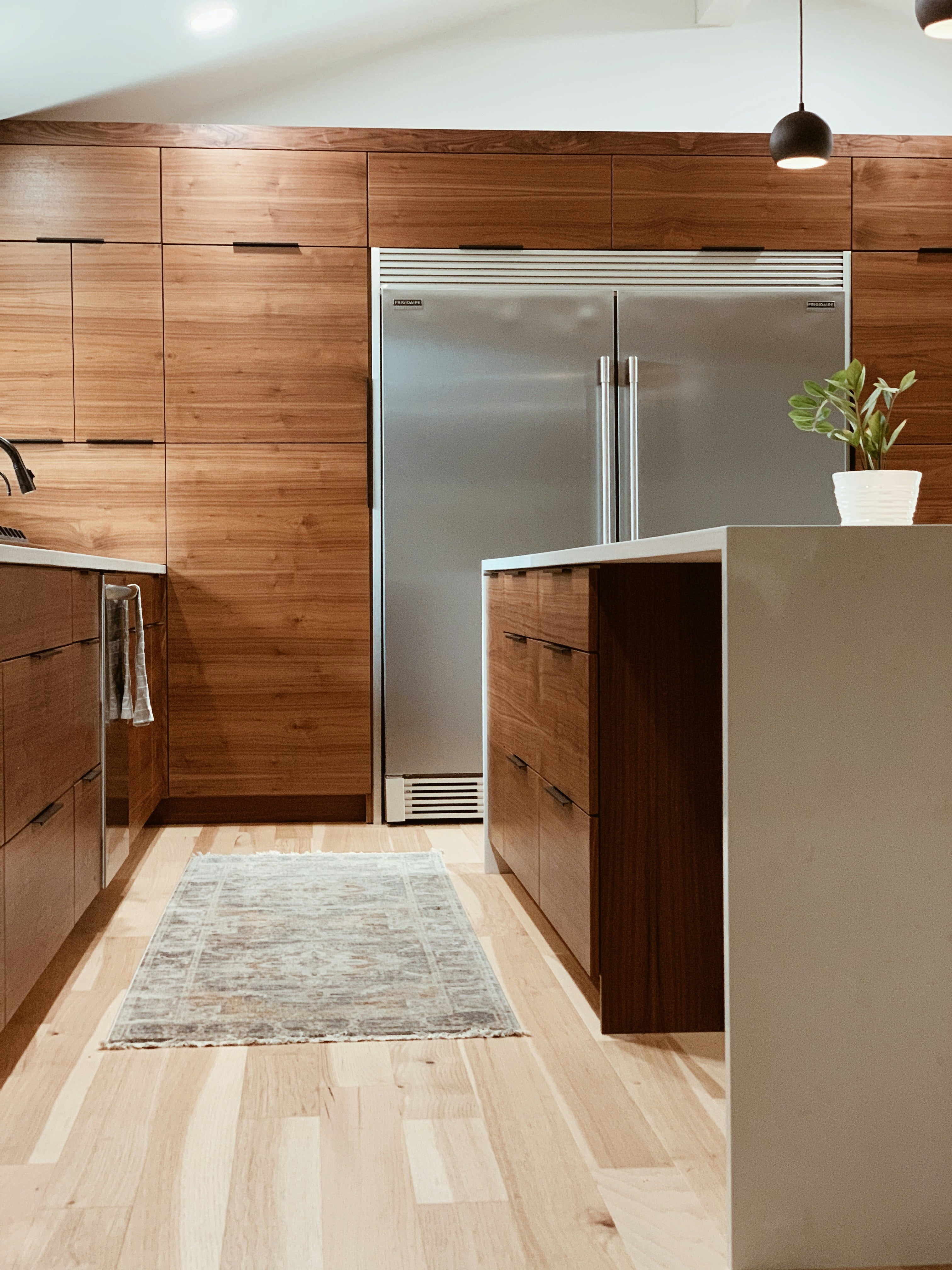
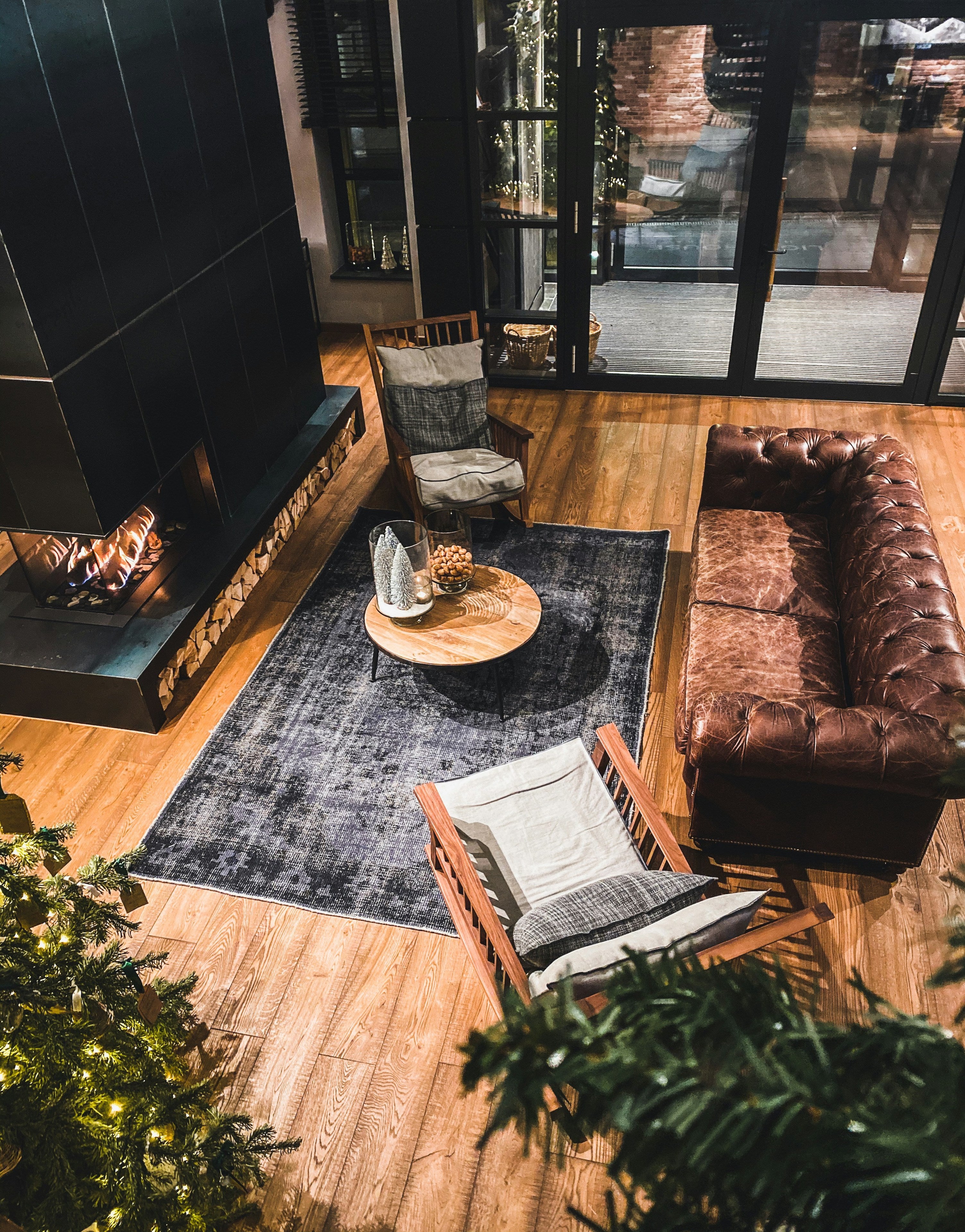
In a living room, let the kilim anchor the seating area the same way you would any rug — with furniture legs on or near the edge of the rug. In a bedroom, a kilim at the foot of the bed adds a graphic punch that a softer pile rug cannot. In a kitchen or dining room, a kilim runner adds warmth and pattern to a utilitarian space without getting in the way.
And if you have a kilim that is too beautiful to put on the floor, hang it on the wall. Kilims have been used as wall hangings for centuries, and a large vintage kilim displayed as art is one of the most striking things you can do in a room.
The Bottom Line
Kilim rugs are one of the best-kept secrets in home decor — durable, versatile, beautiful, and steeped in history. If you have never lived with one, you are missing out on one of the most rewarding things you can bring into your home.
Subscribe to our newsletter for kilim guides, new arrivals, and styling inspiration delivered straight to your inbox. Contact us if you want help finding the right kilim for your space. Shop our kilim collection and find the one that belongs in your home.