The words antique and vintage get used interchangeably in the rug world all the time — by sellers, by decorators, and by buyers who are not sure what they are actually looking at. But they mean very different things, and understanding the distinction can save you from overpaying, help you make smarter buying decisions, and give you a much clearer sense of what you are actually bringing into your home.
Here is the breakdown.
What Makes a Rug Antique?
In the rug trade, a rug is generally considered antique if it is at least 100 years old. That means a rug made before 1926 qualifies as antique today. These are pieces that survived two World Wars, the Great Depression, and a century of use — and the ones that made it through in good condition are genuinely remarkable objects.
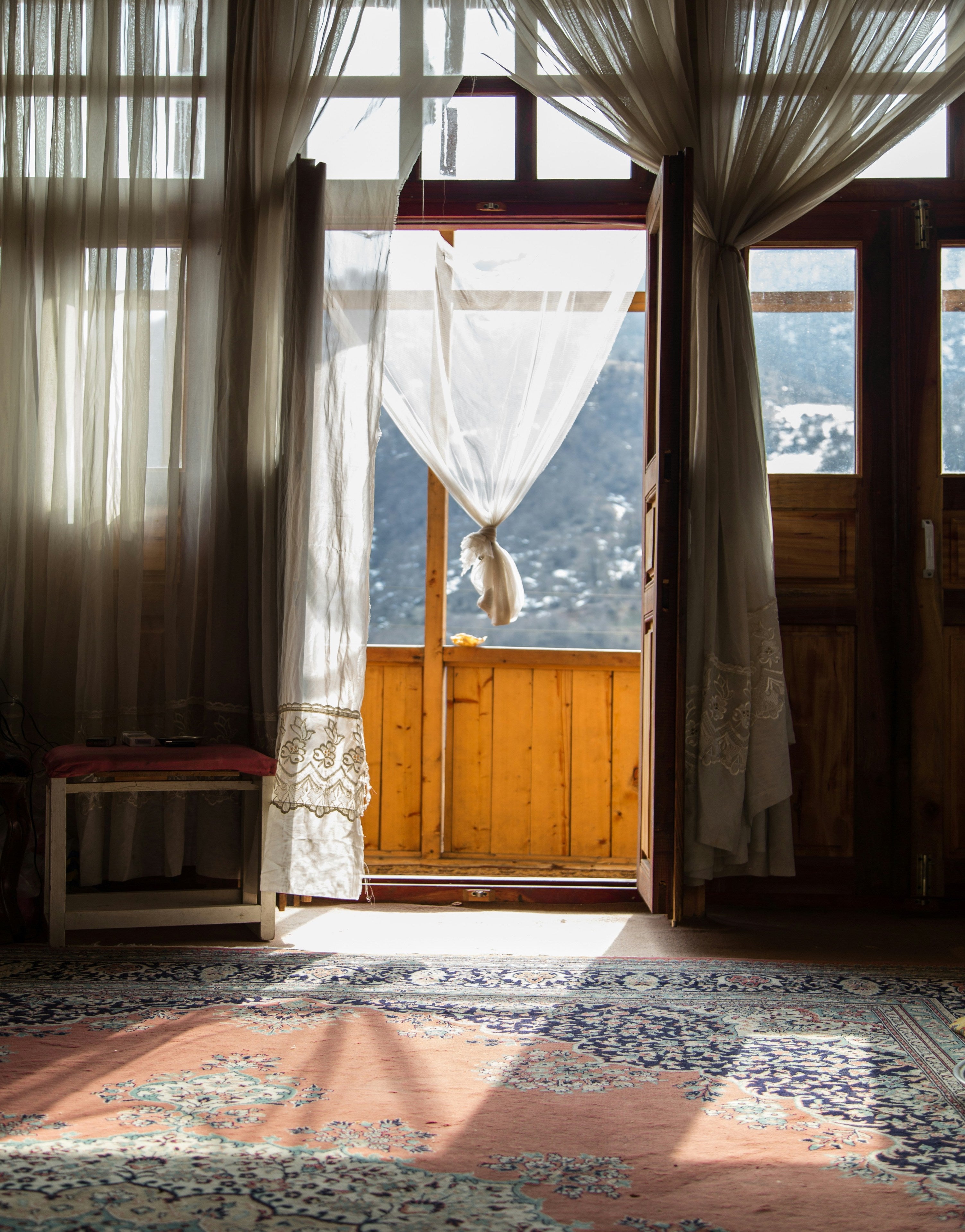
Antique rugs were made entirely by hand using natural dyes derived from plants, insects, and minerals. Pomegranate rinds, indigo plants, madder root, and walnut husks produced the rich, complex colors that synthetic dyes have never quite been able to replicate. Over time, these natural dyes mellow and harmonize in a way that gives antique rugs their characteristic warmth and depth.
The most sought-after antique rugs come from Persia (modern-day Iran), the Caucasus region, Anatolia (Turkey), and Central Asia. Fine antique Persian rugs from cities like Tabriz, Isfahan, and Kashan are among the most valuable textiles in the world, with exceptional examples selling at auction for millions of dollars.
What Makes a Rug Vintage?
Vintage rugs are generally defined as rugs that are between 20 and 99 years old — so pieces made roughly between the 1920s and the early 2000s. This is a wide range, and the quality and character of vintage rugs varies enormously depending on when and where they were made.
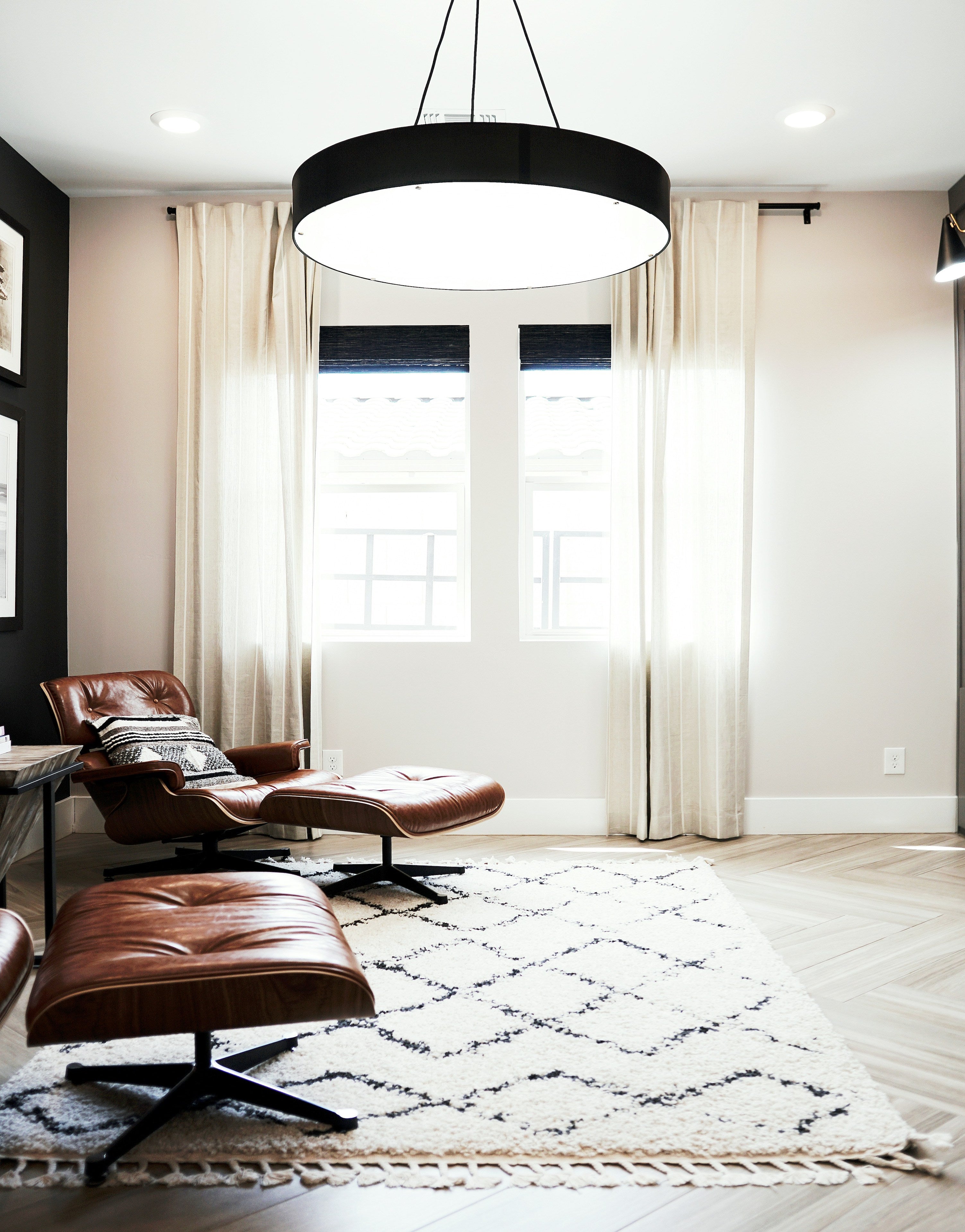
Mid-century vintage rugs from the 1940s through the 1970s are particularly prized right now. Moroccan rugs from this era — Beni Ourain, Azilal, Boucherouite — have become some of the most coveted pieces in the design world. Turkish kilims from the same period, with their bold geometric patterns and natural wool construction, are similarly in demand.
Vintage rugs made before the widespread adoption of synthetic dyes in the mid-20th century share many of the color qualities of antique rugs. Those made after synthetic dyes became standard can still be beautiful, but the colors tend to be brighter and less nuanced.
How to Tell the Difference When Shopping
Age is not always easy to determine from photographs, and sellers do not always label their rugs accurately. Here are a few things to look for.
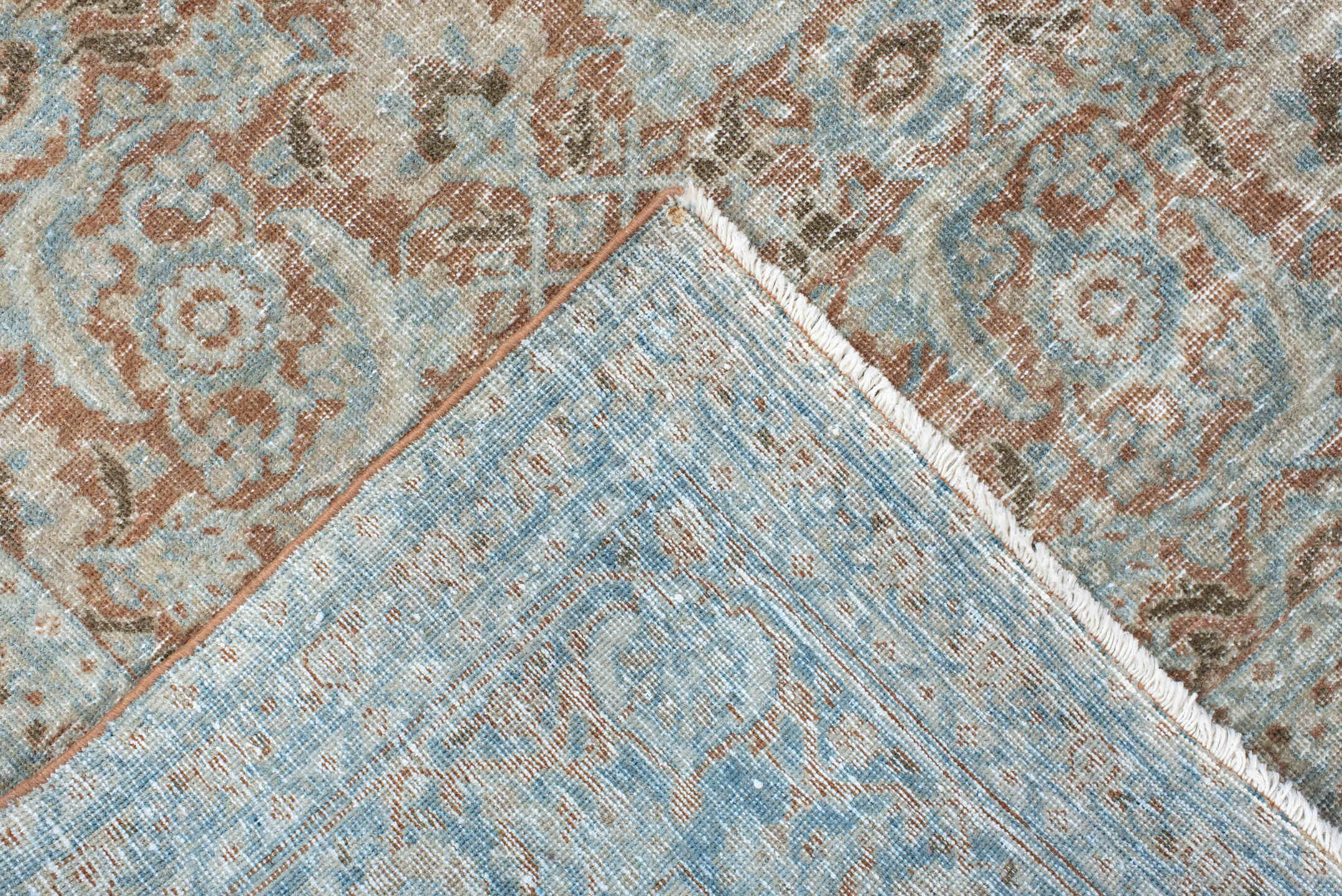
Color: Natural dyes mellow over time and develop an abrash — subtle variations in color across the rug caused by slight differences in dye batches. This is a hallmark of age and handmade quality. Synthetic dyes tend to be more uniform and can look harsh or flat by comparison.
Wear: Genuine age shows in the pile. Antique and older vintage rugs often have areas of lower pile where foot traffic has worn the fibers down over decades. This is not damage — it is evidence of a life well lived. Be cautious of rugs that are artificially distressed to look old.
Smell: Old rugs have a distinctive smell — earthy, slightly musty, organic. It is not unpleasant and it fades with airing. A rug that smells strongly of chemicals may have been treated or artificially aged.
Provenance: A reputable dealer should be able to tell you approximately when and where a rug was made. Vague answers are a red flag.
Which Is Right for Your Home?
Antique rugs are investments as much as they are decorative objects. If you are buying a genuine antique in good condition, you are acquiring something that is likely to appreciate in value over time. They work beautifully in formal spaces — dining rooms, living rooms, studies — where they can be appreciated and protected.
Vintage rugs offer more flexibility. They have the character and warmth of age without the price tag of true antiques, and they are generally more durable for everyday use. A vintage Moroccan or Turkish rug is one of the most versatile things you can put in a home — it works in modern, traditional, and eclectic interiors with equal ease.
Both are infinitely more interesting than anything made last year.
The Bottom Line
Whether you are drawn to the history of a 150-year-old Persian carpet or the bold geometry of a 1960s Moroccan kilim, buying a rug with genuine age means buying something with a story. That story is part of what you are paying for — and it is what makes these pieces so enduring.
Subscribe to our newsletter for guides on buying antique and vintage rugs, new arrivals, and exclusive finds delivered to your inbox. Contact us if you want expert help identifying or sourcing a specific piece. Shop our curated collection of vintage and antique-inspired rugs now.