
A Kars is the Turkish rug for a room that wants bold pattern and takes hard wear. Kars rugs are hand-knotted in wool in the villages around Kars, a city in Turkey's far northeast near the borders with Armenia and Georgia, and they are known for big stepped medallions, a long, heavy pile and the natural colors of the sheep: ivory, camel, taupe and brown. That is why Kars Rugs work in a den, a family room or a busy hallway: the pattern reads clearly from across the room, and the thick wool stands up to daily traffic.
The patterns come from across the border. From 1878 to 1918 Kars was part of the Russian Empire, governed together with the Caucasus, and its weavers took their designs from the Caucasian village rugs around them, above all the bold rugs of the Kazak region. Dealers often list them as Kars Kazaks for that reason. The difference is mostly color: a Kazak is usually saturated red, blue and green, while a Kars leans toward the browns and ivories of natural wool. To compare the two, set a Kars beside the rugs in Caucasian Rugs.
How to recognize a Kars
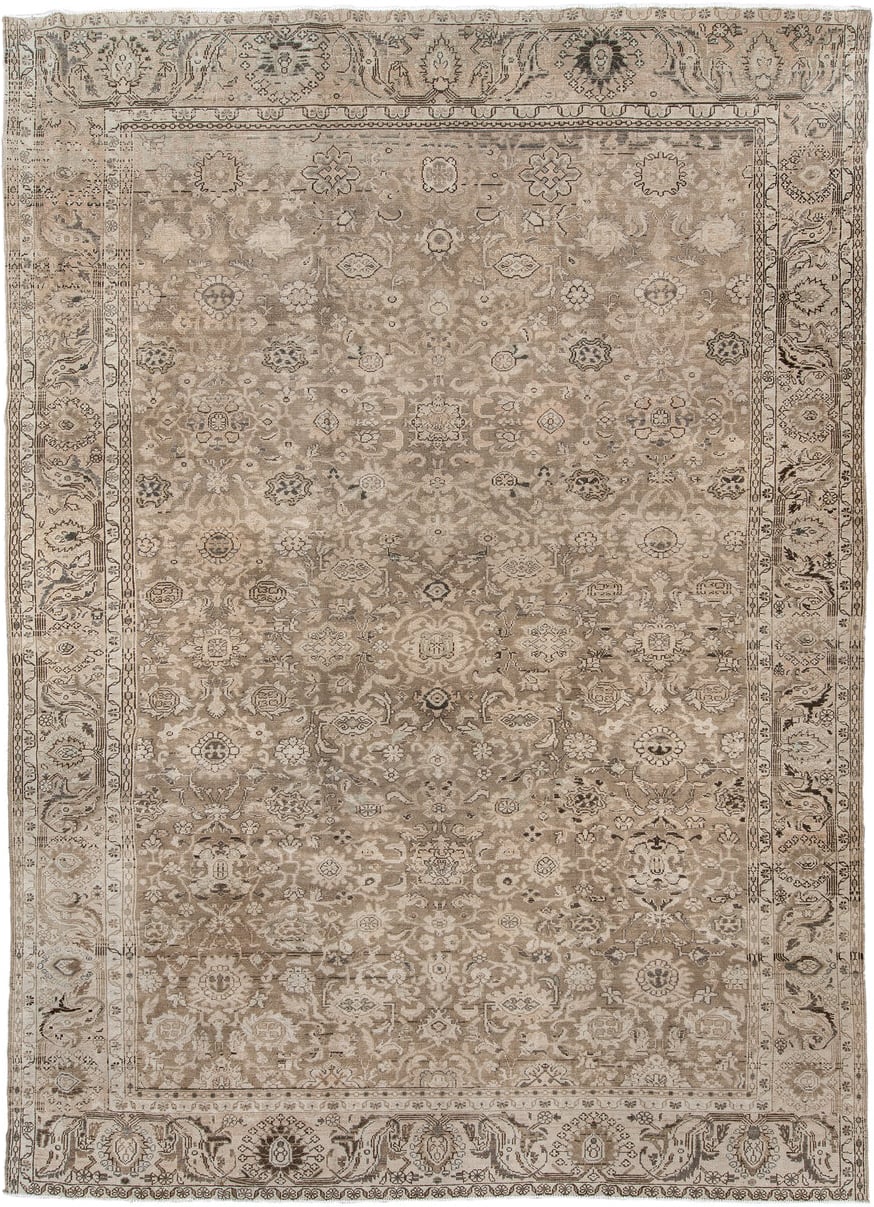
Look at the shapes first. A Kars is built from straight lines and steps rather than curves: stepped medallions, diamonds, stars and ram's horn shapes, often with small hooks along their edges. Just over half of ours set two or three big medallions down the field, the open center inside the borders, like this Antique Kars Area Rug (5' x 10') with three stepped medallions in blush, pale blue and ivory on a taupe field. Others repeat smaller diamonds or a lattice across the whole field. To shop by layout, see Medallion Kars Rugs, or Tribal Kars Rugs for the village designs nearly nine in ten of ours share.
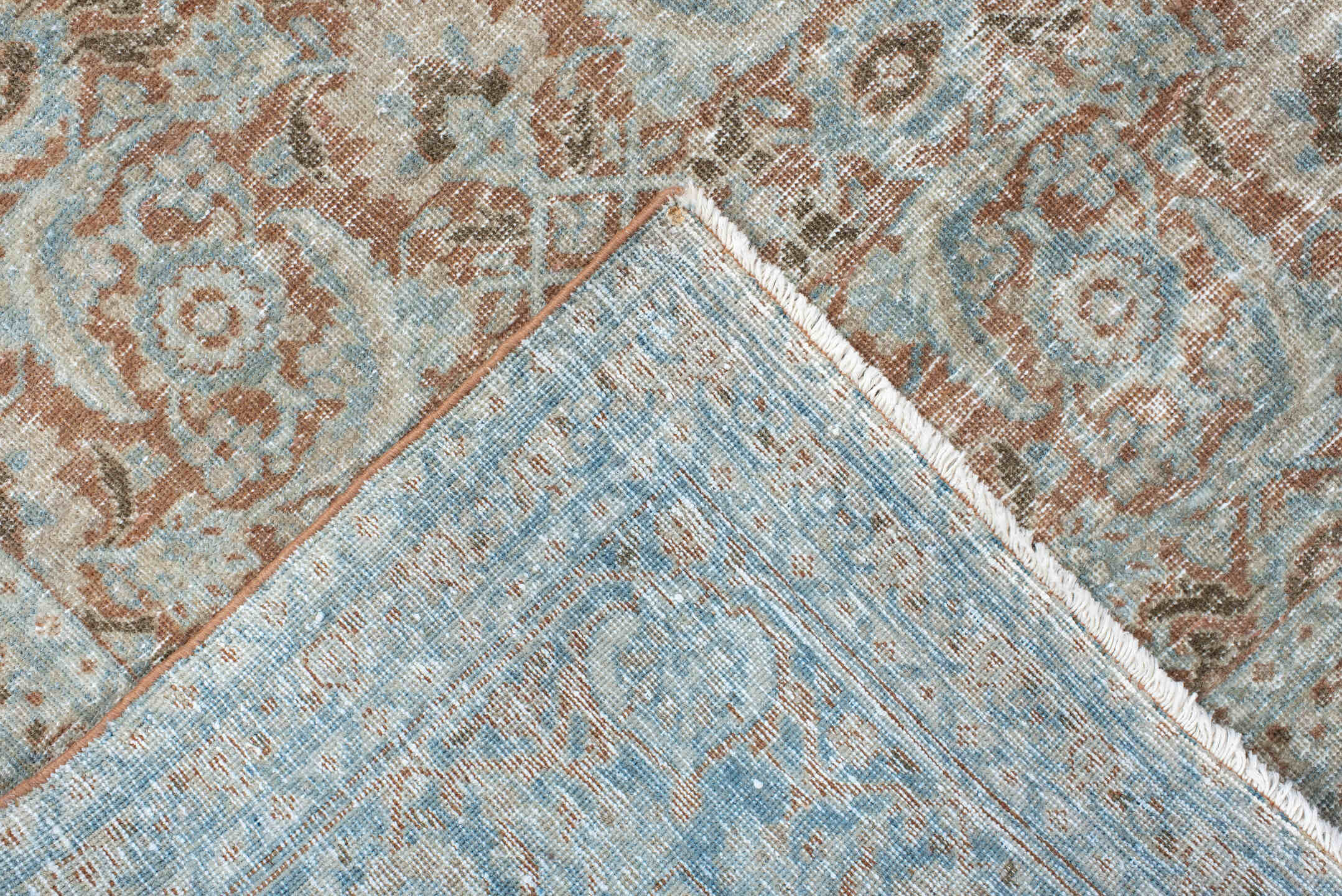
Then look at the color and feel the pile. Many Kars weavers left their wool undyed, so the palette starts with the sheep: ivory, camel, taupe and brown, with red, rust and blue kept for accents. More than half of the Kars we have sit on an ivory field, and Ivory Kars Rugs collects the ones where ivory leads. The knotting is coarse and the pile long, so a Kars feels thick underfoot and its shapes have slightly soft edges.
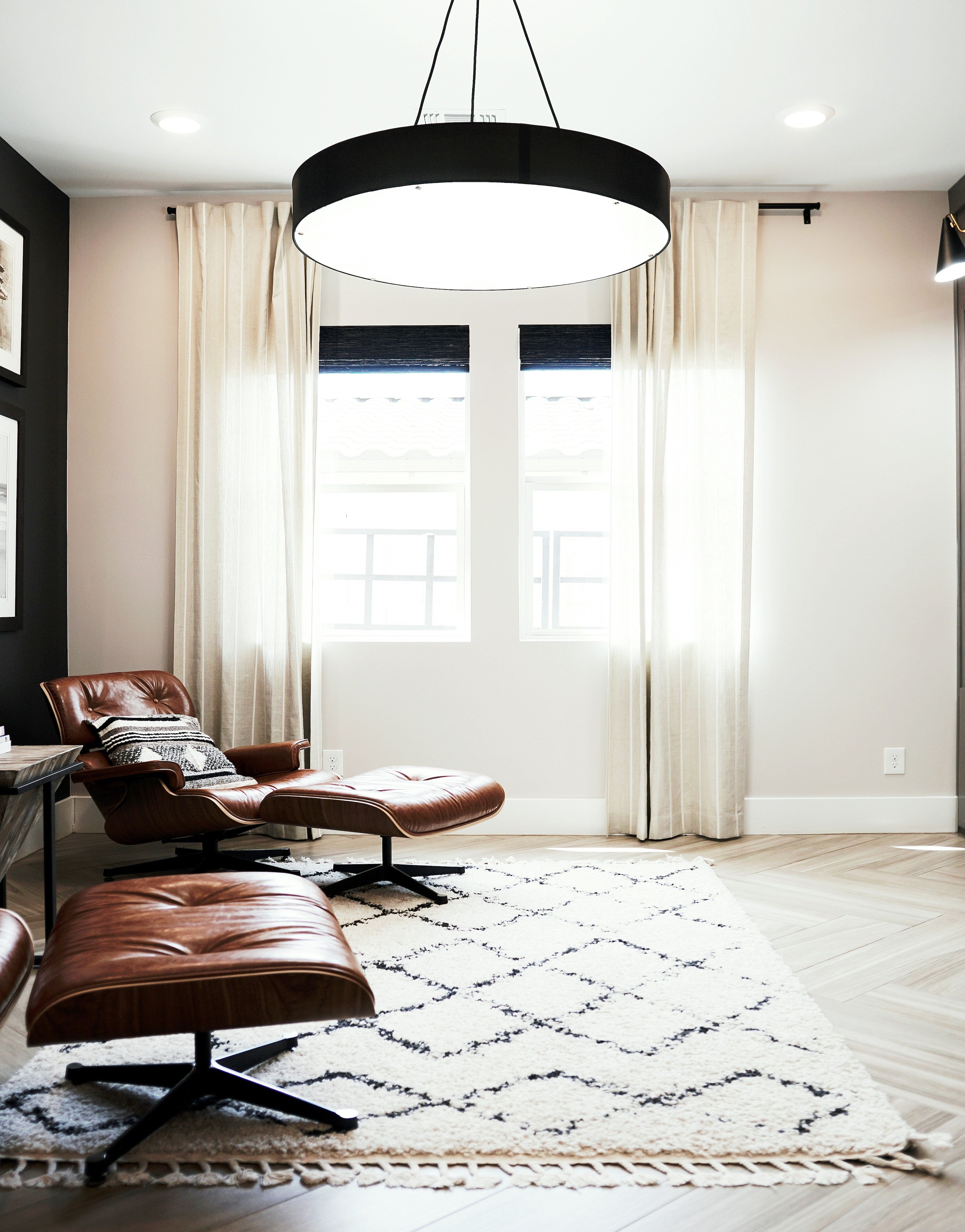
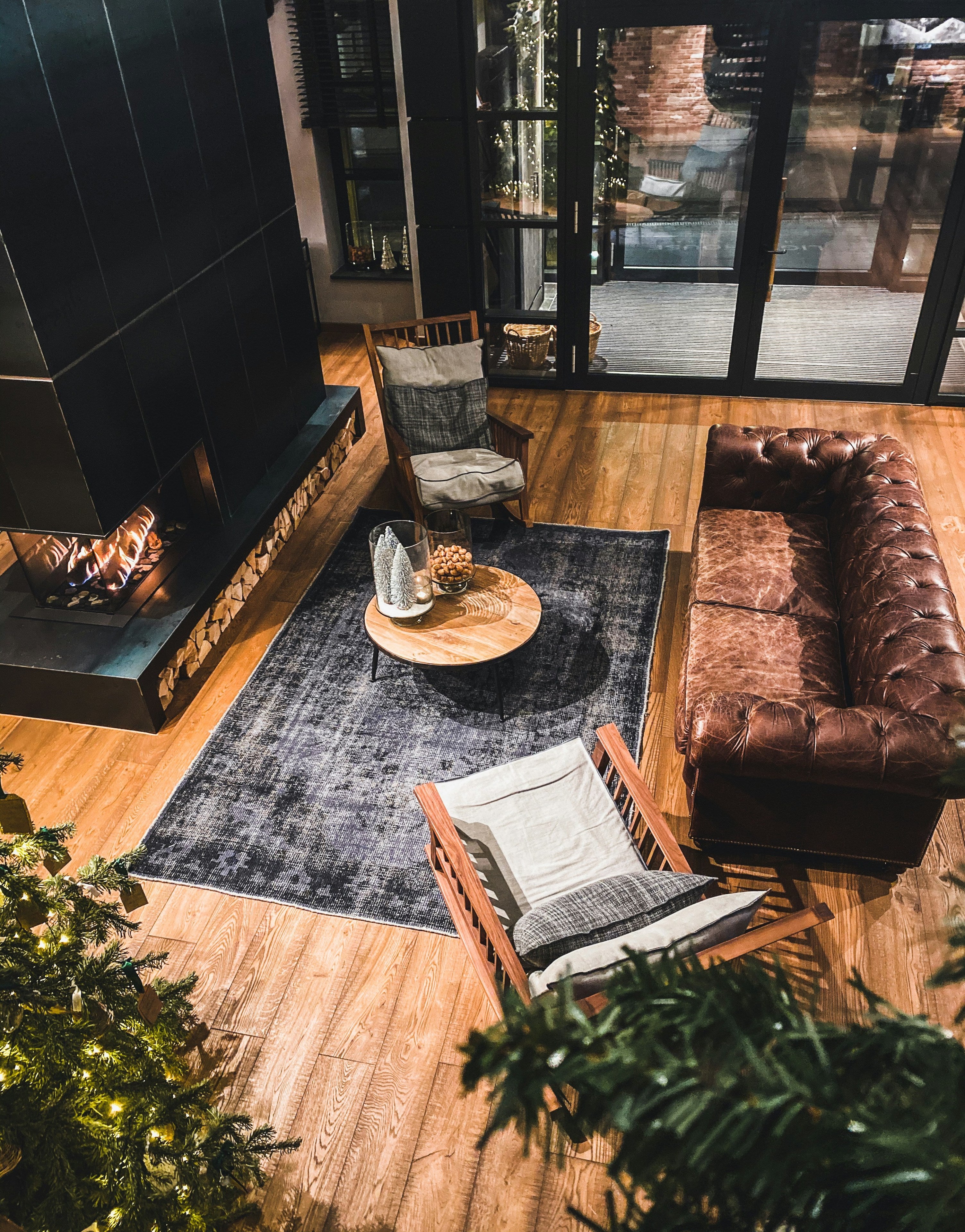
Three traits run through most of our Kars, and each one suits a different room. Seven in ten are geometric throughout, built from steps, diamonds and hooks, which gives a den or a study with leather chairs and wood shelves a strong pattern underfoot. Three in four have faded, their reds and browns softened toward blush and sand, so the pattern stays quiet enough for a bedroom. About half sit in neutral ivory, taupe and gray, the easy choice for modern furniture and pale walls.
 Geometric Kars Rugs
Steps, diamonds and hooks for a den or a study.
Shop
 Faded Kars Rugs
Reds and browns softened toward blush and sand.
Shop
 Neutral Kars Rugs
Ivory, taupe and gray for modern furniture.
Shop
Antique or vintage
Both come from the same region and the same patterns, so the choice is about color, surface and size rather than quality. An antique Kars, meaning a rug eighty years and older, has usually worn its long pile down, so it lies flatter, and its colors run warm: 18 of our 22 have warm tones, most often on a blush, camel or taupe field, and most of them are runners. A vintage Kars keeps more of its pile standing and feels thicker underfoot, and most of ours sit on an ivory field, the lighter choice for a modern room. Vintage also holds nearly all the room sizes: 22 of the 24 Kars we have at 7' x 9' or larger are vintage.
 Antique Kars Rugs
Warm blush and camel fields, mostly runners.
Shop
 Vintage Kars Rugs
Ivory fields, a thicker pile, and the room sizes.
Shop
Runner or room size
Most Kars are long and narrow. Two in three of ours are runners, from 2' to 5' wide, and the most common sizes are 3' x 10' and 3' x 11', long enough for a typical hallway. Two run to 3' x 17' for a long corridor.
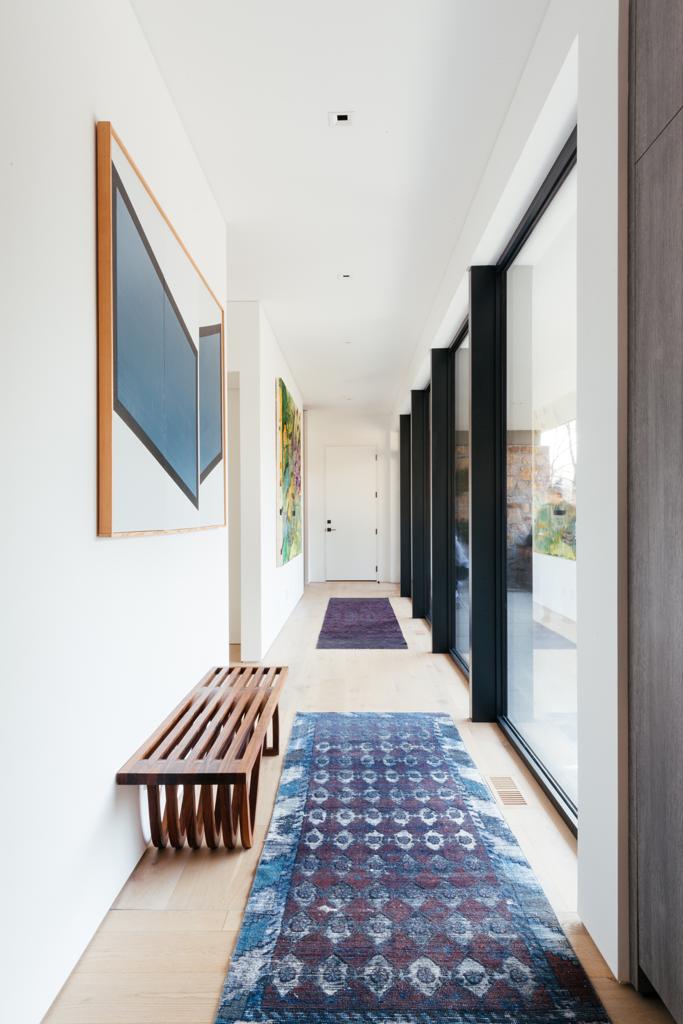
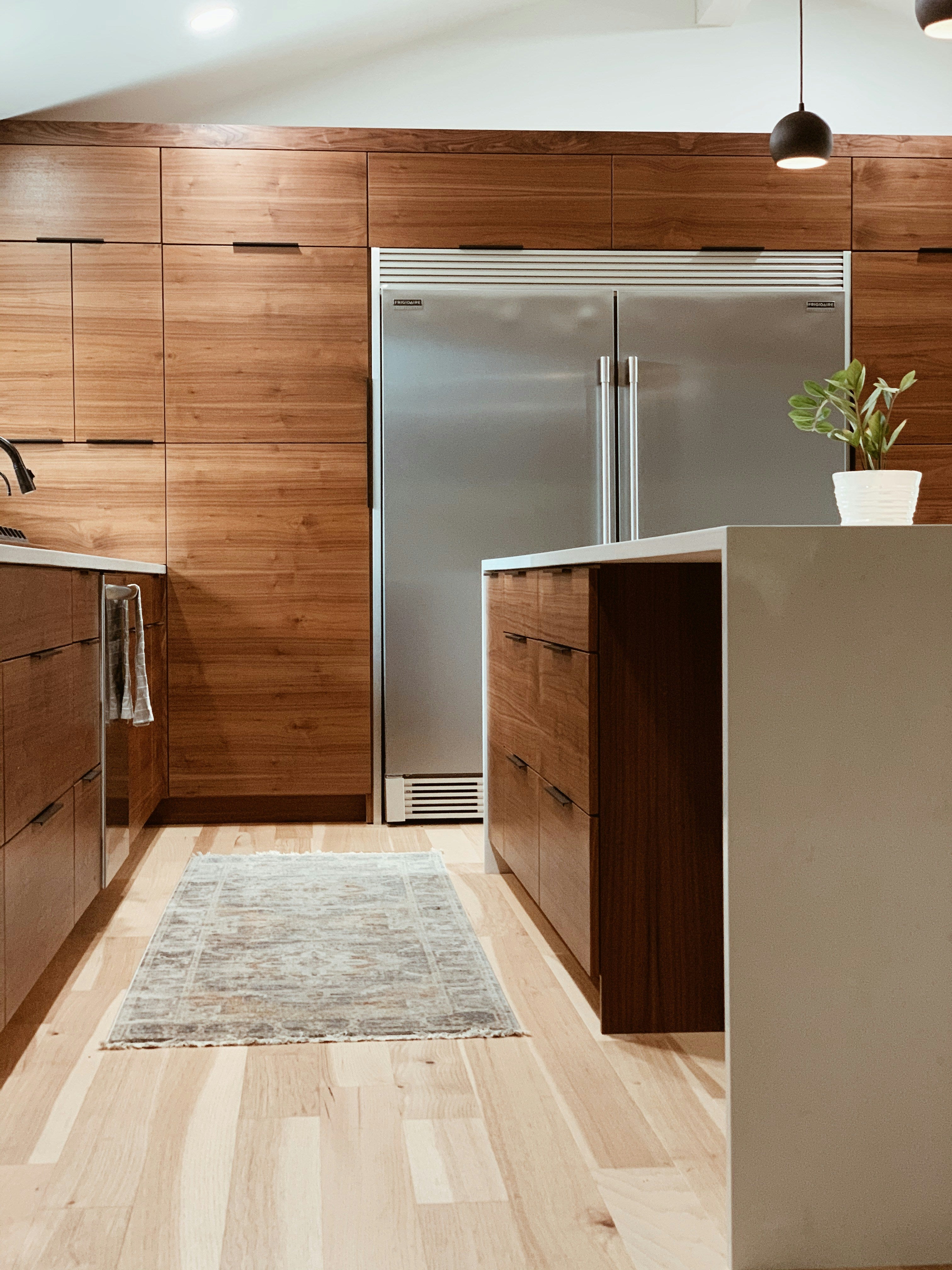
So the first question is whether the rug is for a hall or a room. A runner suits a hallway, a galley kitchen or the side of a bed, and the thick pile takes the traffic those spots get. Room sizes are the scarce part: only about a quarter of our Kars are 7' x 9' or larger, up to one 12' x 16', enough for a dining table for six or a full seating group.
 Kars Runner Rugs
For a hallway, a galley kitchen or the side of a bed.
Shop
 Large Kars Rugs
The scarce room sizes, for a dining table or a seating group.
Shop
Placement follows the size. In a hallway, center the runner and leave a few inches of floor on each side. In a living room, rest at least the front legs of the sofa and chairs on the rug; under a dining table, leave about two feet of rug past the table edge on every side, so a chair pulled out stays on it. Care is simple: put a pad under the rug on hard floors, vacuum without the beater bar, rotate it once or twice a year so sun and traffic wear it evenly, and send spills to a professional cleaner.
If you are shopping the type rather than one particular rug, choose the size first and the color second. This Antique Kars Runner Rug (4' x 12') is the classic version: a row of ivory stepped medallions with hooked edges down a faded camel field. For the largest rooms, this Vintage Kars Area Rug (12' x 16') stacks three bold medallions on a charcoal field inside an ivory border. Every Kars we have is hand-knotted and one of a kind, the kind of rug a long hallway or a family room is planned around.
One of a kind, photographed flat Every Kars in the shop, on one page Explore All Kars Rugs