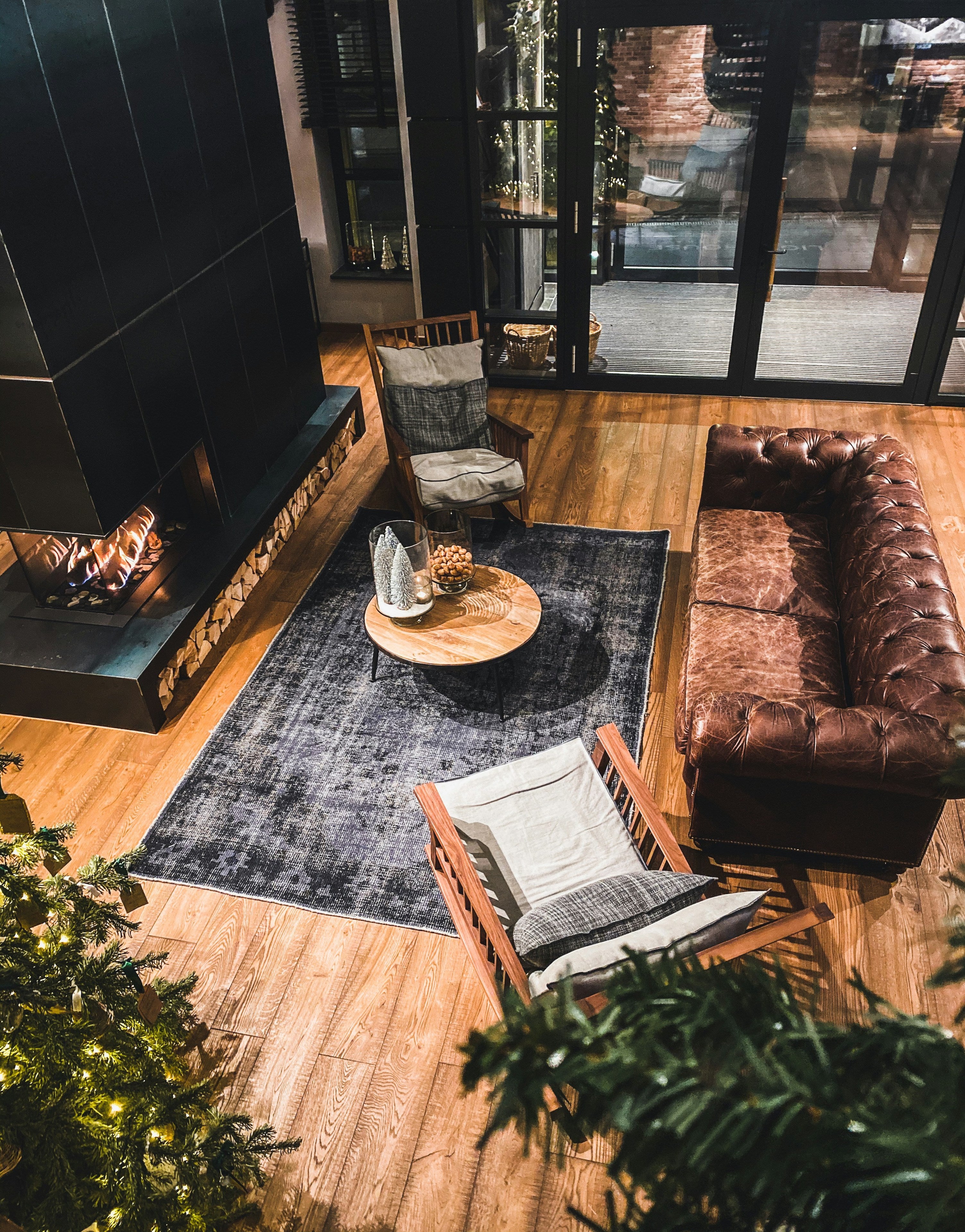
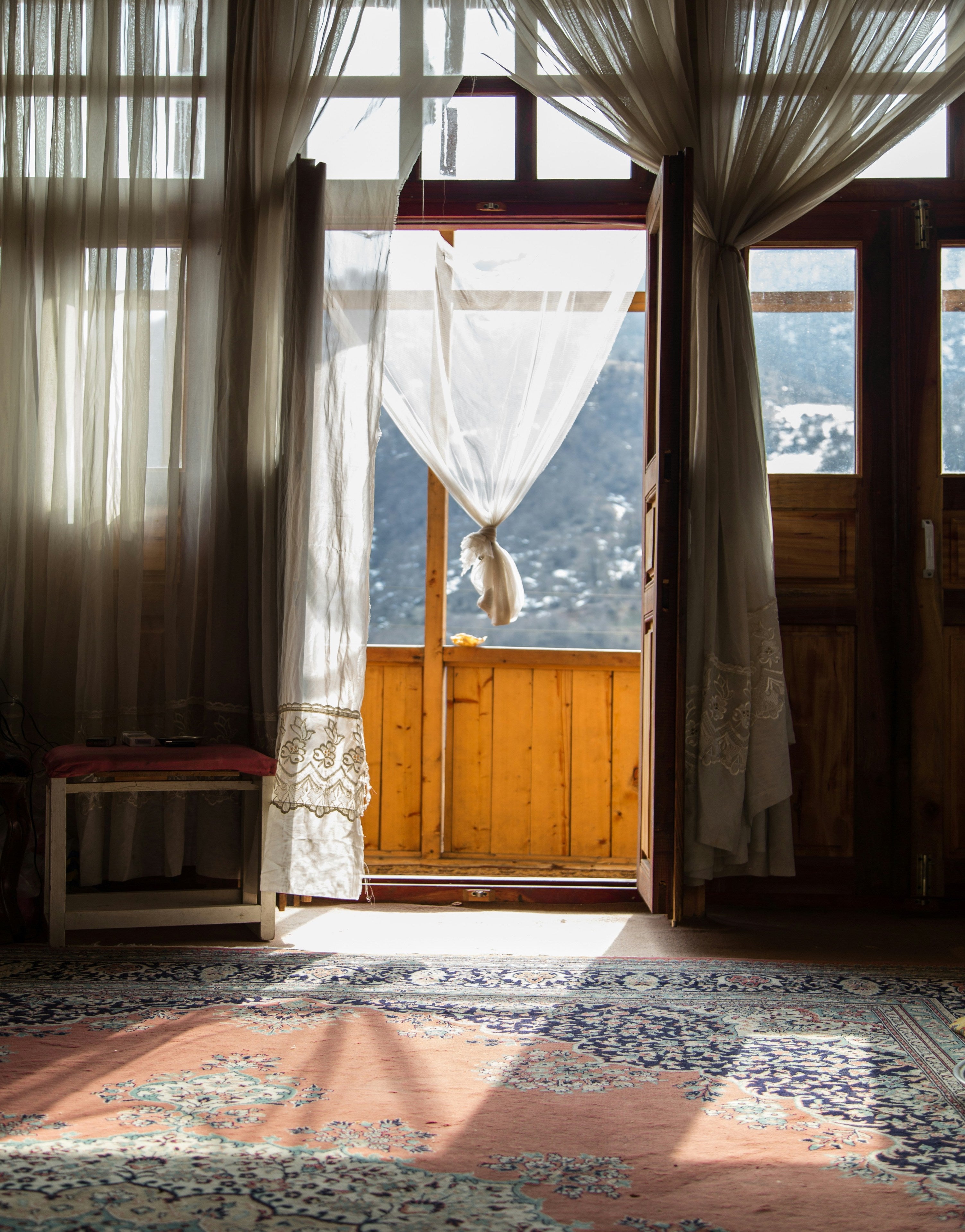

Walk into any beautifully styled home in New York, Los Angeles, Chicago, or Austin right now and there is a good chance you will find a Moroccan rug on the floor. They are everywhere — in design magazines, on Pinterest boards, in boutique hotels, and in the homes of people who take their interiors seriously. But why? What is it about these rugs that has captured the imagination of the entire design world?
The answer goes back centuries, and it is a story worth knowing.
Where It All Began
Moroccan rug weaving is one of the oldest textile traditions in the world, dating back over 2,000 years to the indigenous Berber tribes of North Africa. The Berbers — also known as the Amazigh people — were the original inhabitants of Morocco, Algeria, and the broader Maghreb region. Long before Morocco became a crossroads of Arab, Andalusian, and sub-Saharan African culture, the Berbers were weaving rugs as a matter of survival.
In the cold Atlas Mountains, thick wool pile rugs were essential for warmth. In the arid plains and desert regions, flatweave rugs served as bedding, wall coverings, and ceremonial objects. Every rug told a story — geometric symbols encoded with meaning about fertility, protection, identity, and the natural world.
The Language of Symbols
One of the most fascinating things about traditional Moroccan rugs is that the patterns are not purely decorative. Each symbol carries meaning passed down through generations of female weavers. Diamonds represent the eye and protection from evil. Zigzag lines represent water and life. Crosses symbolize the four directions. Hands ward off negative energy.
These were not written down. They were woven — a visual language that survived centuries of oral tradition and cultural change.
The Beni Ourain Revolution
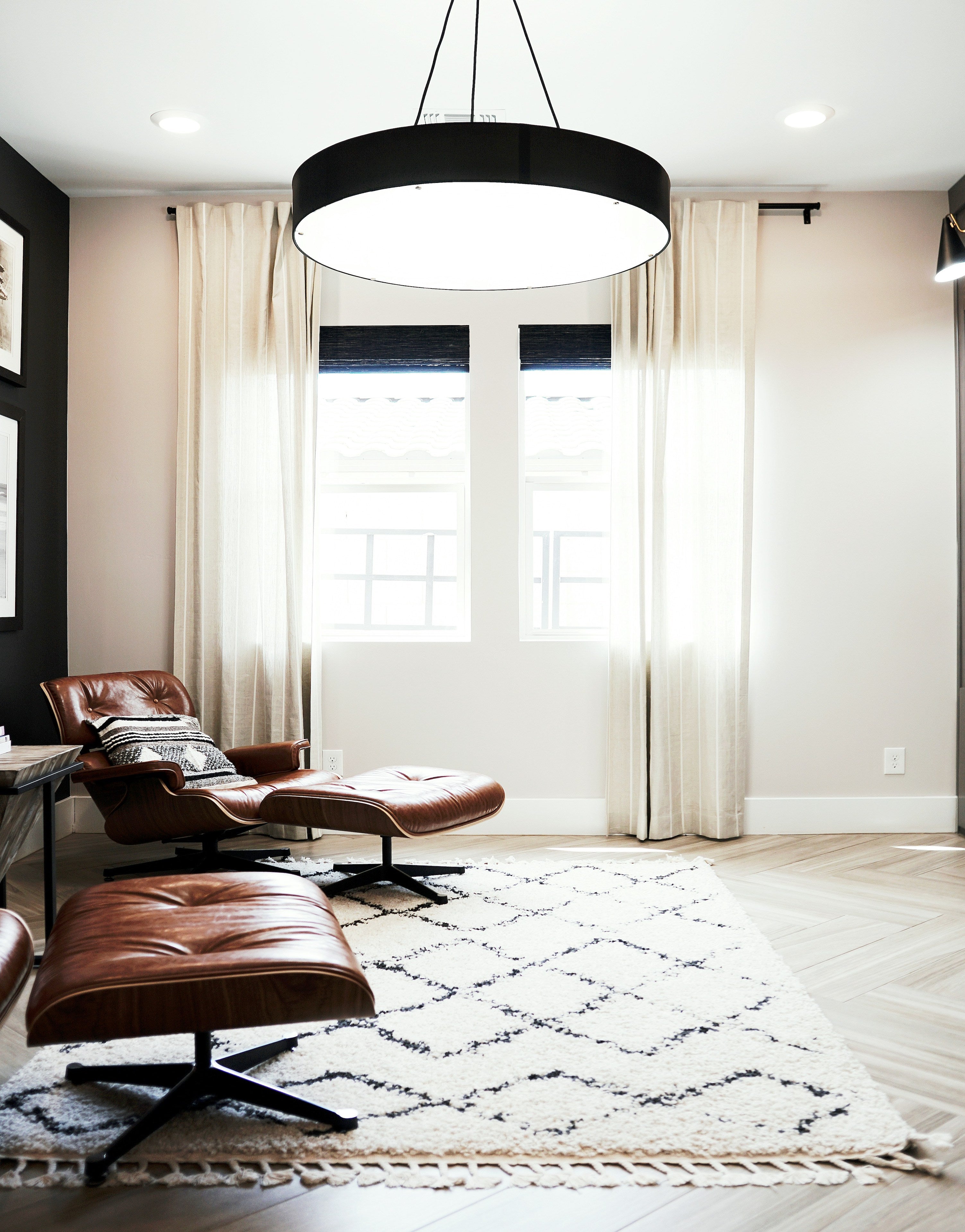
In the mid-20th century, Moroccan rugs caught the attention of the Western design world in a big way. The Beni Ourain tribe of the Middle Atlas Mountains produced thick, creamy white wool rugs with bold black geometric patterns — and when modernist designers and architects like Le Corbusier and Frank Lloyd Wright began incorporating them into their interiors, the world took notice.
Suddenly, a rug that had been woven for warmth in a mountain village was gracing the floors of the most forward-thinking homes in Europe and America. The aesthetic was perfect — minimal, graphic, natural, and full of character. It worked with everything from mid-century modern furniture to contemporary minimalism.
Why They Work in American Homes
Moroccan rugs have a rare quality: they are simultaneously bold and neutral. The natural wool tones — ivory, cream, charcoal, and brown — work with virtually any color palette. The geometric patterns add visual interest without competing with furniture or art. And the handmade quality means every rug is unique, which matters enormously to homeowners who want a space that feels personal rather than catalog-perfect.
From a brownstone in Brooklyn to a ranch home in Santa Fe to a modern condo in Miami, Moroccan rugs adapt. They bring warmth, texture, and a sense of history to spaces that might otherwise feel cold or generic.
Vintage vs. New
Today you can find both vintage Moroccan rugs — pieces that are decades old, with the softness and patina that only time can create — and new rugs made by contemporary Berber weavers using the same traditional techniques. Both have their place.
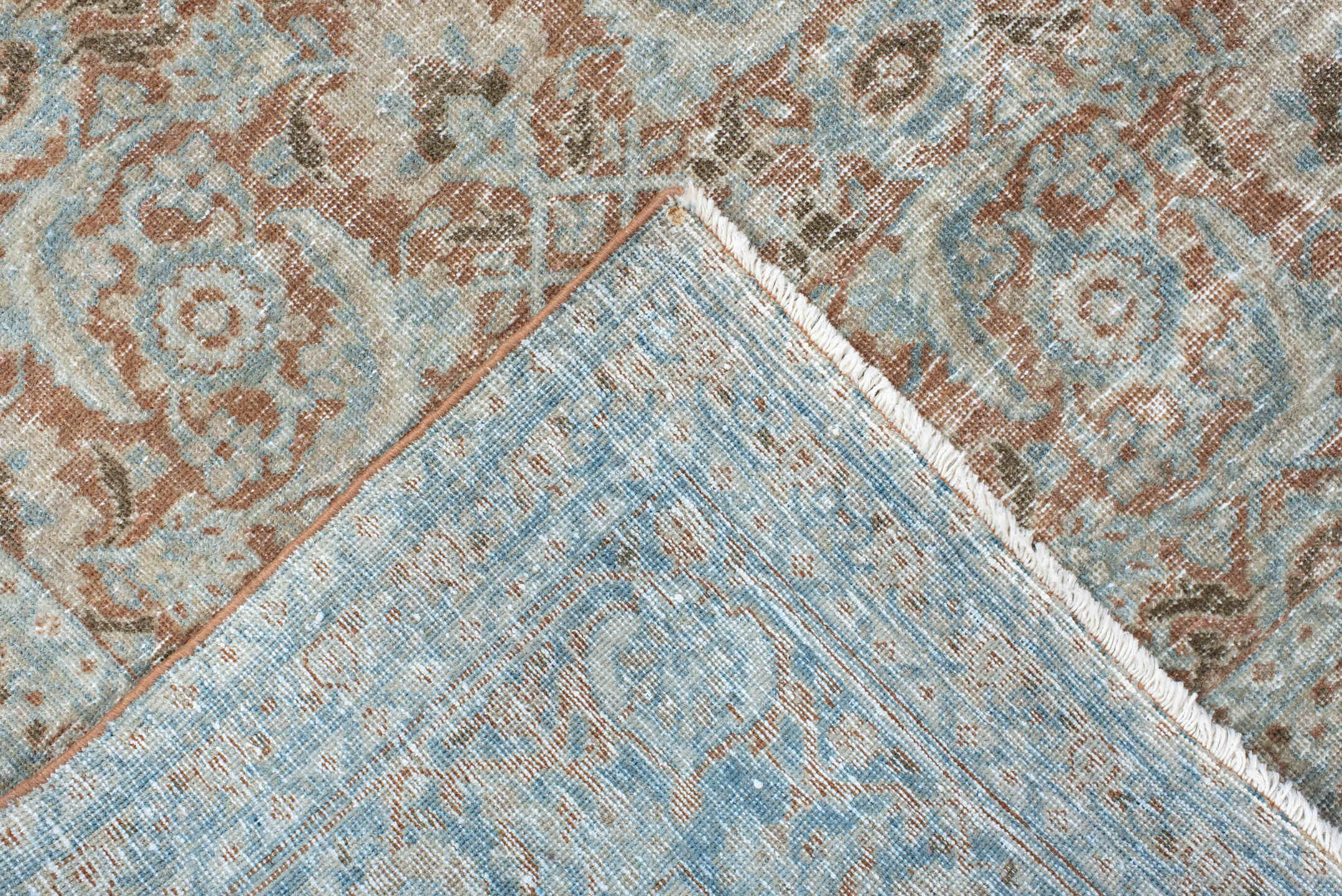
Vintage rugs carry the marks of their history: slight color variations from natural dyes, areas of wear that add character, and a softness underfoot that new rugs take years to develop. New rugs offer more consistency in size and condition, and the knowledge that you are supporting living artisans.
At Rug Styling, we carry both — because we believe the best rug is the one that speaks to you.
The Bottom Line
The Moroccan rug obsession is not a trend. It is a recognition of something that has always been true: that objects made by hand, with intention and cultural meaning, have a power that mass production simply cannot replicate. When you put a Moroccan rug in your home, you are not just decorating. You are connecting to a tradition that is thousands of years old.
Subscribe to our newsletter for the stories behind our rugs, new arrivals, and exclusive offers. Contact us if you want help finding the right Moroccan rug for your space. Shop our full collection and find the one that belongs in your home.