




You paid good money for a rug that was described as handmade. But is it really? The rug industry is full of misleading labels, and machine-made rugs are often passed off as handcrafted ones — especially online. Here is how to know for certain, whether you are shopping in a store or already have a rug at home.
Flip It Over
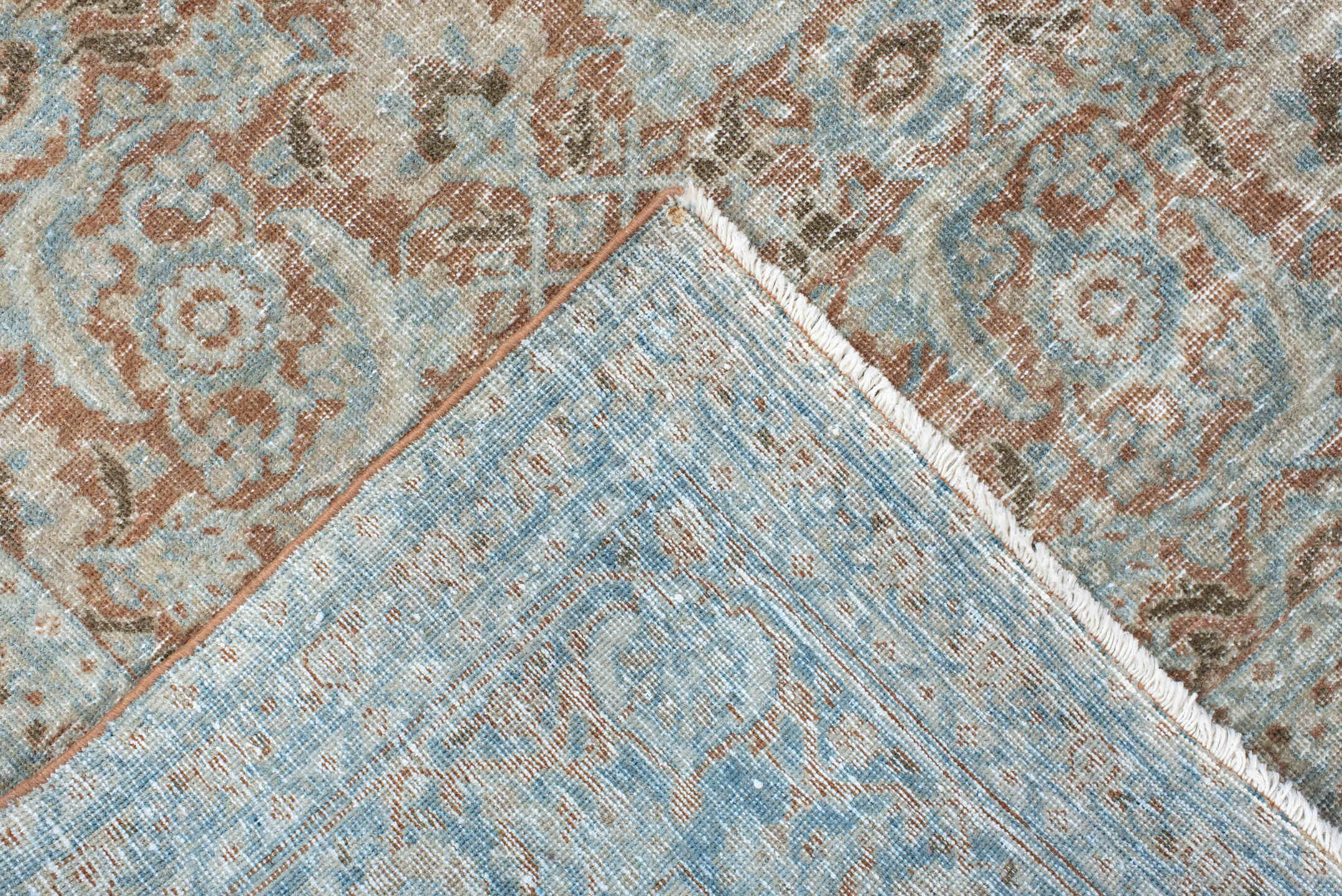
The back of a rug tells you everything. On a genuine hand-knotted rug, you will see the knots clearly on the reverse side — slightly irregular, with the pattern visible but not perfectly uniform. On a machine-made rug, the back looks almost identical to the front, with a perfectly even, almost plastic-like backing or a canvas glued on to hide the construction.
If the back looks too perfect, it probably is.
Look for Slight Irregularities
Handmade rugs are made by human hands, which means no two are exactly alike. Look closely at the pattern — you should see very slight variations in the lines, the color distribution, and the knot density. These are not flaws. They are proof of authenticity.
Machine-made rugs are perfectly uniform. Every repeat of the pattern is identical. If it looks like it was printed, it probably was.
Check the Fringe
On a genuine hand-knotted rug, the fringe is an extension of the foundation warps — it is part of the rug itself. On a machine-made rug, the fringe is sewn or glued on as a decorative afterthought. Tug gently on the fringe. If it feels like it could detach, it was added on.
Feel the Pile
Run your hand across the surface. Hand-knotted wool rugs have a natural, slightly uneven texture with a warmth and depth that synthetic fibers cannot replicate. Machine-made rugs often feel uniform, slightly stiff, or plasticky — especially in lower price ranges.
High-quality wool has a natural lanolin content that gives it a soft, almost waxy feel. Synthetic pile feels dry and uniform by comparison.
Count the Knots
Turn the rug over and count the knots per square inch. Fine hand-knotted rugs from regions like Iran, Turkey, or Morocco can have anywhere from 100 to over 500 knots per square inch. More knots generally means more detail, more time, and more value.
Machine-made rugs do not have individual knots — they have loops or tufts that are cut or left looped, often held in place by a latex backing.
Ask for Provenance
A reputable rug seller should be able to tell you where the rug was made, by whom (or at least which region or workshop), and what materials were used. Vague answers like "handcrafted in the Orient" without specifics are a red flag.
At Rug Styling, every rug in our collection comes with full transparency on origin, materials, and construction. We source directly from artisan weavers across Morocco, Turkey, and beyond — so you always know exactly what you are getting.
The Bottom Line
A genuine handmade rug is not just a floor covering — it is a piece of craft that took weeks or months to create. Knowing how to identify one protects your investment and ensures you are supporting real artisans, not factory production lines.
Want to learn more about what makes a rug truly special? Subscribe to our newsletter for expert guides, new arrivals, and insider tips delivered straight to your inbox. Have a rug you want us to help authenticate? Contact us — we love talking rugs. Ready to shop with confidence? Browse our full collection of verified handmade rugs now.