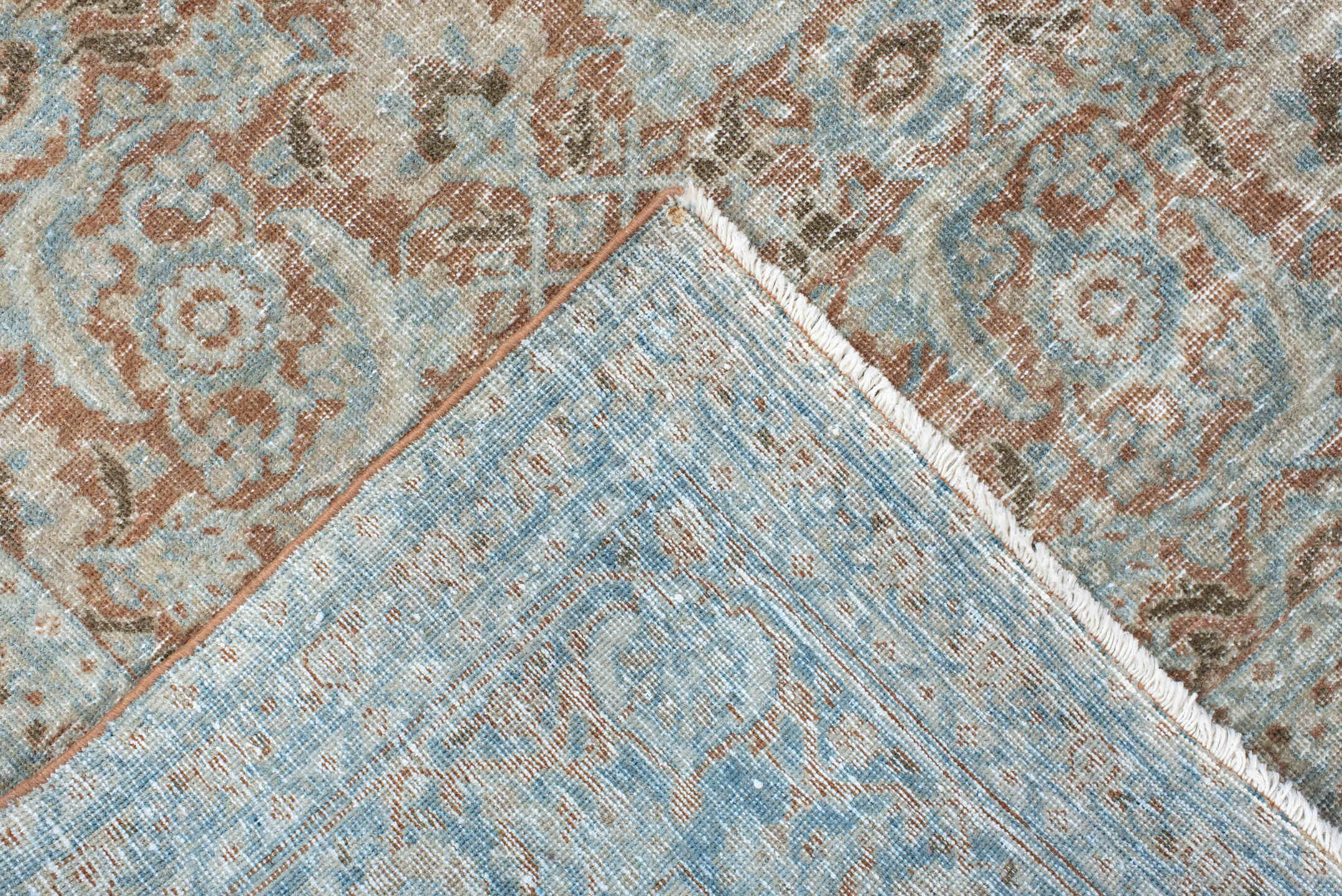
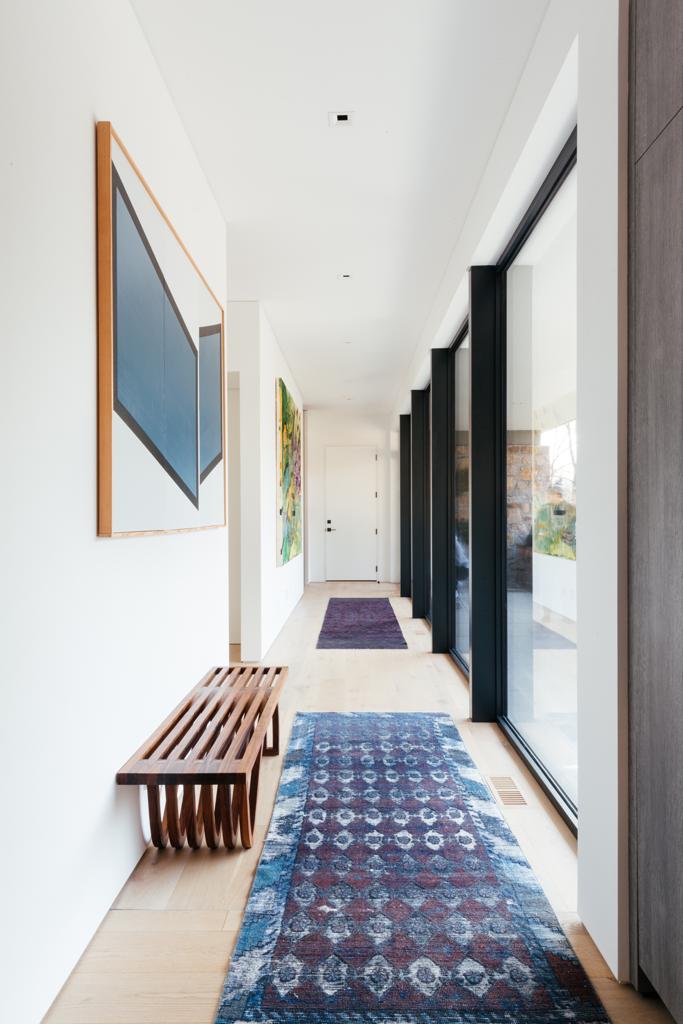
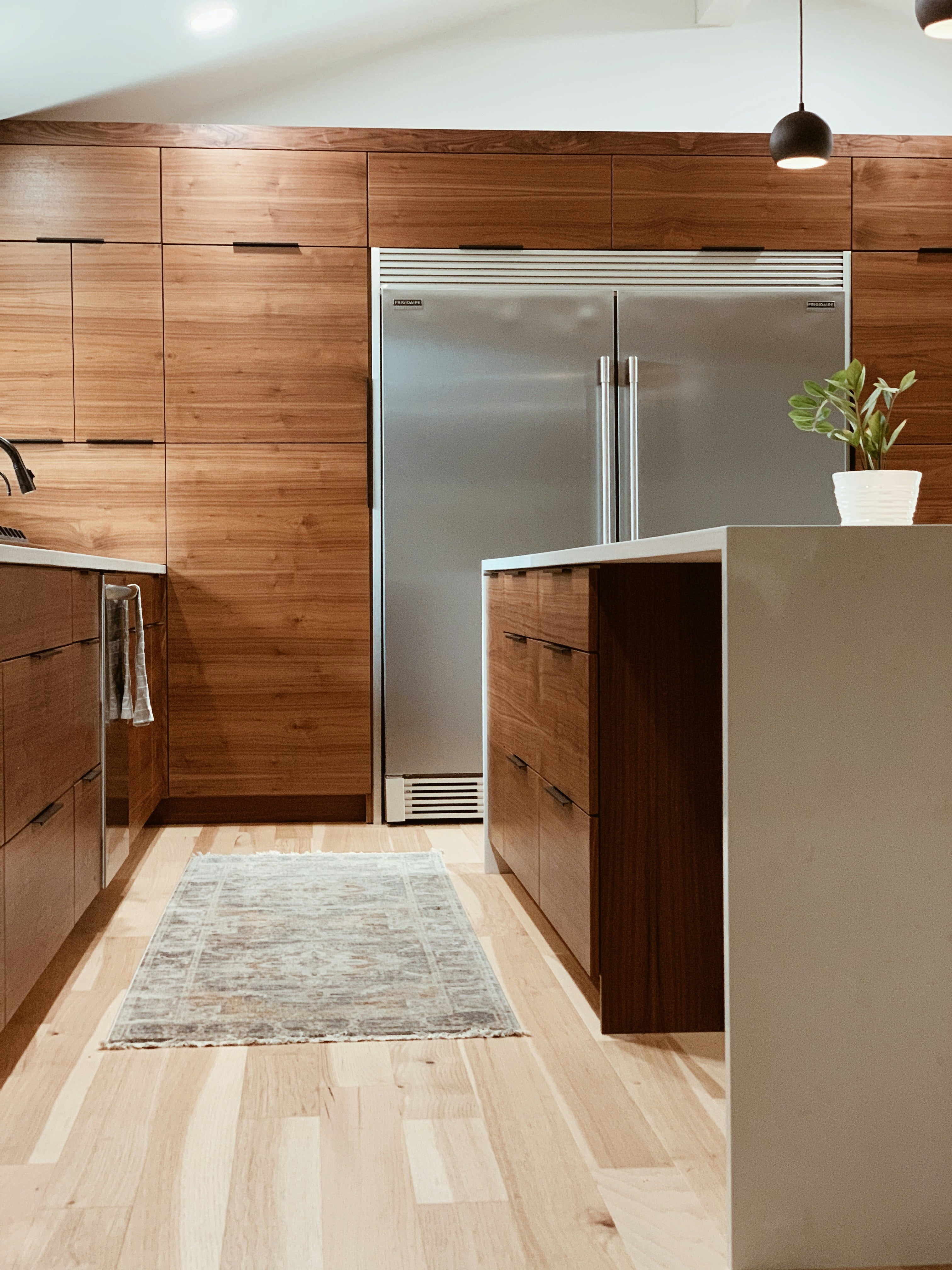
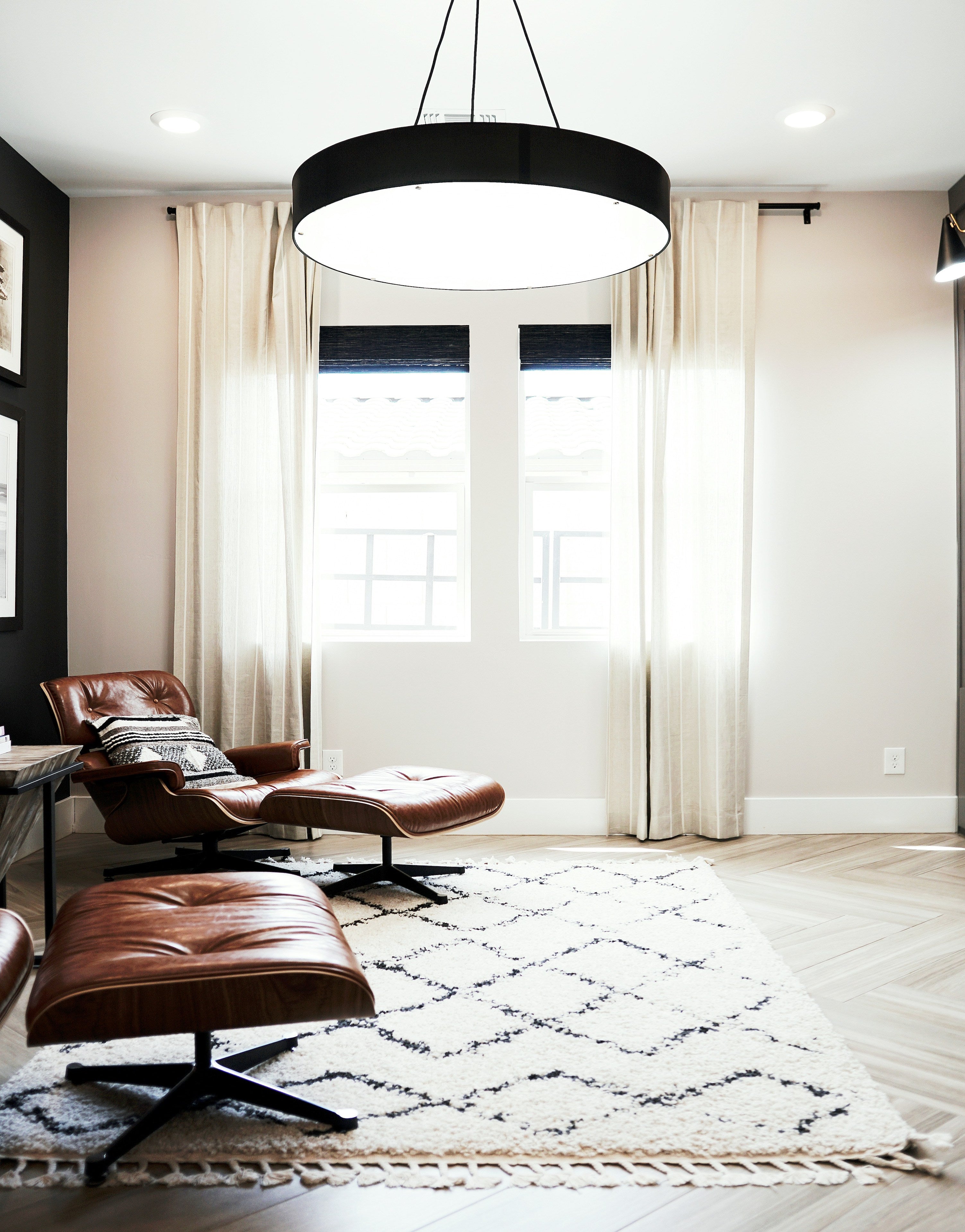
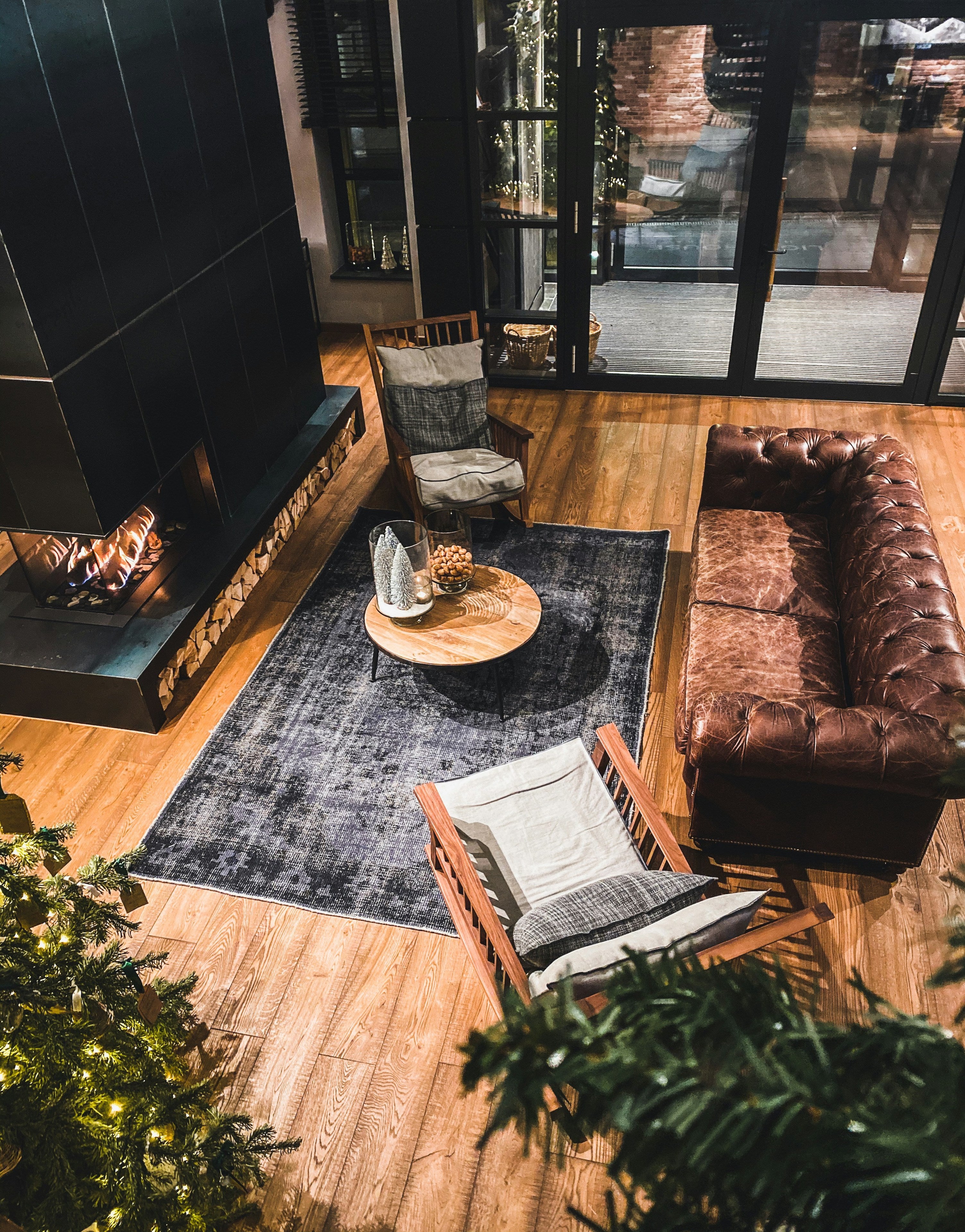


You have found a rug you love. The pattern is perfect, the size is right, and then you see it comes in wool, jute, or silk. Suddenly you are not sure which one to choose. This is one of the most common points of confusion for rug buyers — and getting it wrong can mean a rug that looks great but falls apart in two years, or one that feels scratchy underfoot in a room where you walk barefoot every morning.
Here is the honest breakdown of every major rug material, what it is good for, and where it falls short.
Wool: The Gold Standard
Wool is the most widely used material in high-quality handmade rugs, and for good reason. It is naturally durable, resilient, and has a built-in resistance to staining thanks to the lanolin in the fiber. Wool rugs bounce back from foot traffic, resist crushing, and actually get softer with age.
Wool works in almost every room — living rooms, bedrooms, dining rooms, and home offices. It handles moderate moisture but should not be placed in bathrooms or areas with heavy water exposure. It is also naturally flame-resistant, which is a bonus most people do not think about until they need it.
The one downside: wool rugs shed for the first few months after purchase. This is completely normal and stops on its own. It is not a defect — it is just loose fibers working their way out of the pile.
Best for: living rooms, bedrooms, dining rooms, high-traffic areas. Any home that wants a rug built to last decades.
Jute: Natural, Beautiful, and Misunderstood
Jute rugs have had a massive moment in interior design over the last decade, and it is easy to see why. They are natural, earthy, and work beautifully in coastal, bohemian, and organic modern interiors. They are also significantly more affordable than wool or silk.
But jute has real limitations that many buyers discover too late. It is not moisture-friendly — at all. Spill water on a jute rug and you risk permanent staining and mold growth underneath. It is also not the softest underfoot, which makes it a poor choice for bedrooms where you want that first-morning-step comfort.
Jute works best as a layering rug — placed under a smaller, softer rug to add texture and define a space — or in low-traffic, low-moisture areas like a formal living room or study.
Best for: layering, low-traffic areas, dry climates. Not recommended for kitchens, bathrooms, or homes with young children.
Silk: The Showpiece Material
Silk rugs are among the most beautiful objects you can put in a home. The sheen, the color depth, the way the pile catches light from different angles — nothing else comes close. Fine silk rugs from Iran, Turkey, and India are also among the most valuable rugs in the world, with some antique pieces selling for hundreds of thousands of dollars.
But silk is not a practical everyday material. It is delicate, sensitive to moisture, and not suited for high-traffic areas. Walking on a silk rug in shoes will damage it over time. It requires professional cleaning and careful placement away from direct sunlight, which can fade the colors.
Silk rugs belong in low-traffic spaces where they can be appreciated as the art objects they are — a formal sitting room, a bedroom used primarily for sleeping, or even displayed on a wall.
Best for: formal rooms, low-traffic spaces, collectors. Not recommended for entryways, kitchens, or homes with pets and young children.
Cotton: Practical, Washable, Affordable
Cotton rugs are the workhorses of the rug world. They are lightweight, easy to clean (many are machine washable), and come in a huge range of colors and patterns. Flatweave cotton rugs in particular are a staple of casual, relaxed interiors.
The trade-off is durability and depth. Cotton does not have the resilience of wool — it flattens under heavy foot traffic and does not have the same visual richness. Cotton rugs also tend to slip on hard floors, so a rug pad is essential.
Cotton works well in kitchens, bathrooms, kids' rooms, and any space where easy cleaning matters more than longevity.
Best for: kitchens, bathrooms, kids' rooms, casual spaces. Great for anyone who wants a rug they can throw in the wash.
The Quick Reference Guide
Wool: durable, soft, stain-resistant, long-lasting. Best all-around choice for most rooms. Jute: natural, affordable, textured. Best for layering or dry, low-traffic spaces. Silk: stunning, delicate, valuable. Best for formal or display spaces. Cotton: washable, lightweight, casual. Best for practical, easy-clean spaces.
The Bottom Line
The right material depends entirely on where the rug is going and how it will be used. A silk rug in a kitchen is a disaster waiting to happen. A cotton rug in a formal living room will look tired within a year. Match the material to the room and you will have a rug that looks great and lasts.
Subscribe to our newsletter for material guides, styling tips, and new arrivals straight to your inbox. Contact us if you need help choosing the right material for your space. Shop our full collection and filter by material to find exactly what you need.