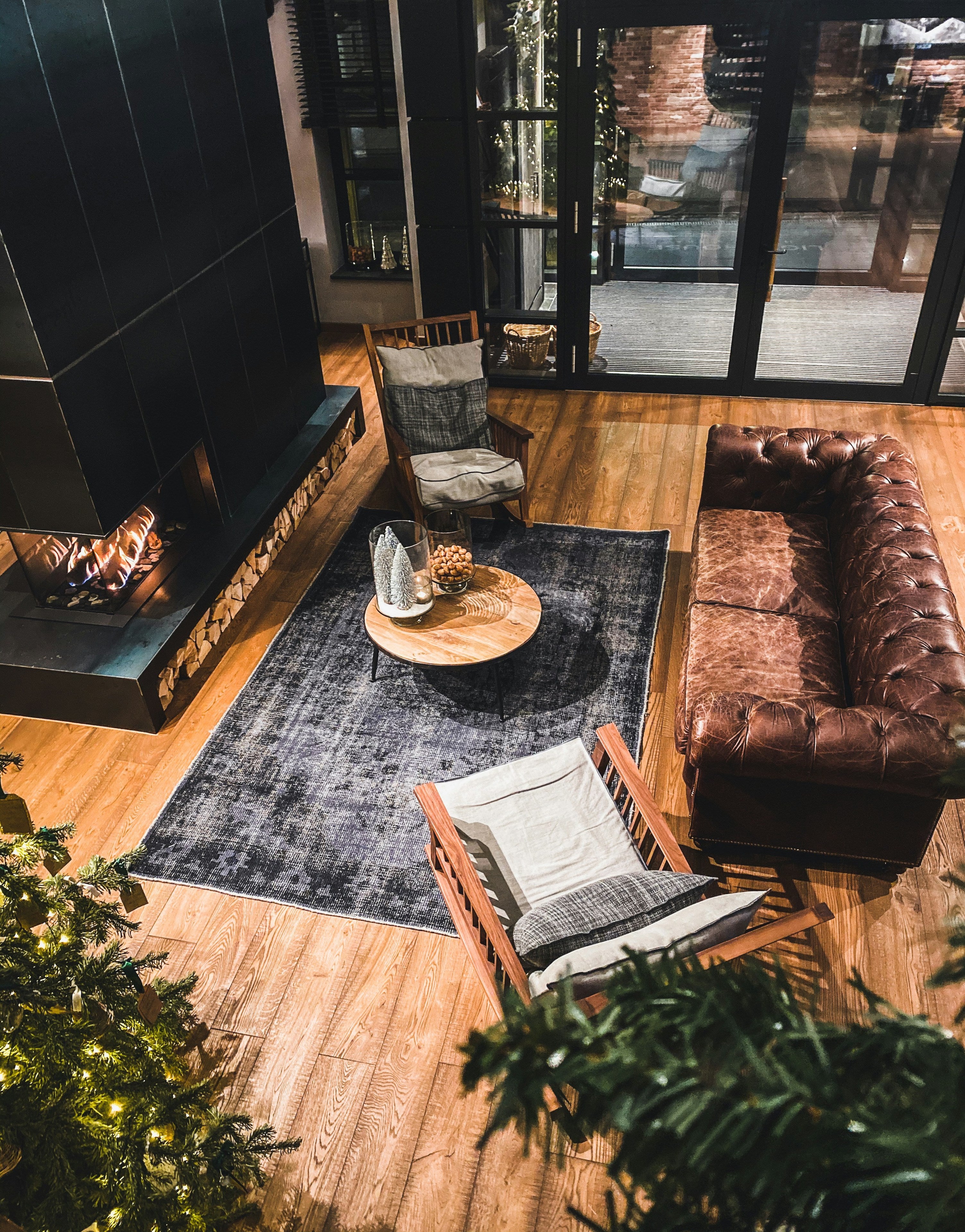


You found the perfect rug online. You ordered it. It arrived. And then you put it in the room and realized it looks completely wrong. Too small, too busy, wrong pile height, wrong material for the space. Sound familiar? You are not alone — and it is one of the most common (and costly) mistakes homeowners make.
Let's fix that. Here is exactly what to look for, room by room.
Living Room: Go Bigger Than You Think
The number one mistake in living rooms across the country — from New York apartments to open-plan homes in Texas — is buying a rug that is too small. A rug that only sits under the coffee table makes the room feel disconnected and cheap, no matter how beautiful the rug itself is.
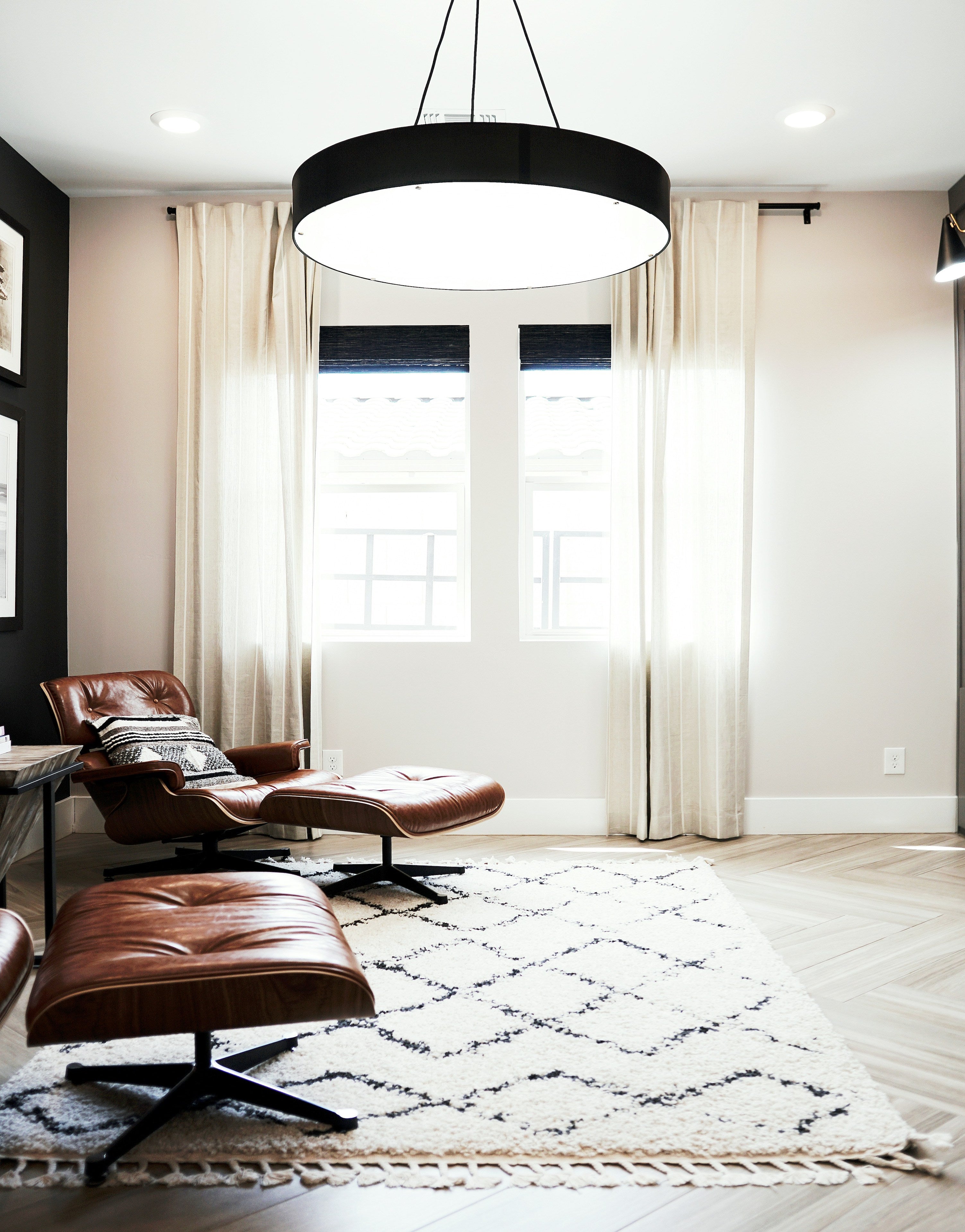
The rule: all front legs of your sofa and chairs should sit on the rug. Ideally, all four legs. For most standard living rooms, that means you need at least an 8x10 or 9x12. If you have a large open-plan space, go up to a 10x14.
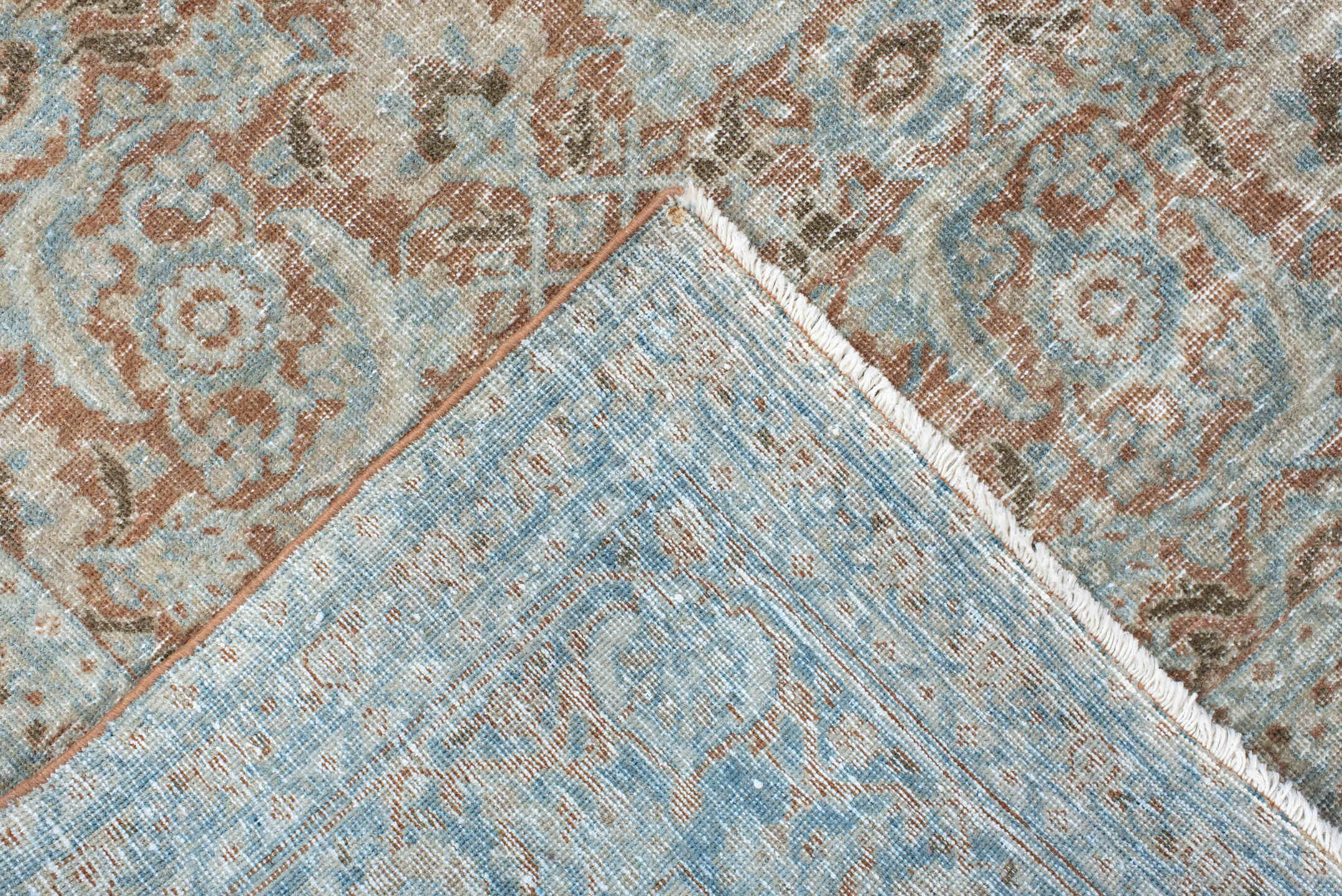
Material pick: Wool rugs are the gold standard for living rooms. They are durable, naturally stain-resistant, and get better with age. A hand-knotted Moroccan or Persian-style wool rug will anchor your space and last decades.
Dining Room: Measure Twice, Buy Once
Your dining rug needs to be large enough that chairs stay on the rug even when pulled out. Pull a chair out from the table — that is your minimum clearance on all sides. Add at least 24 inches to each side of your table dimensions.
For a standard 6-seat dining table, a 9x12 is usually the minimum. For an 8-seat table, look at 10x14.
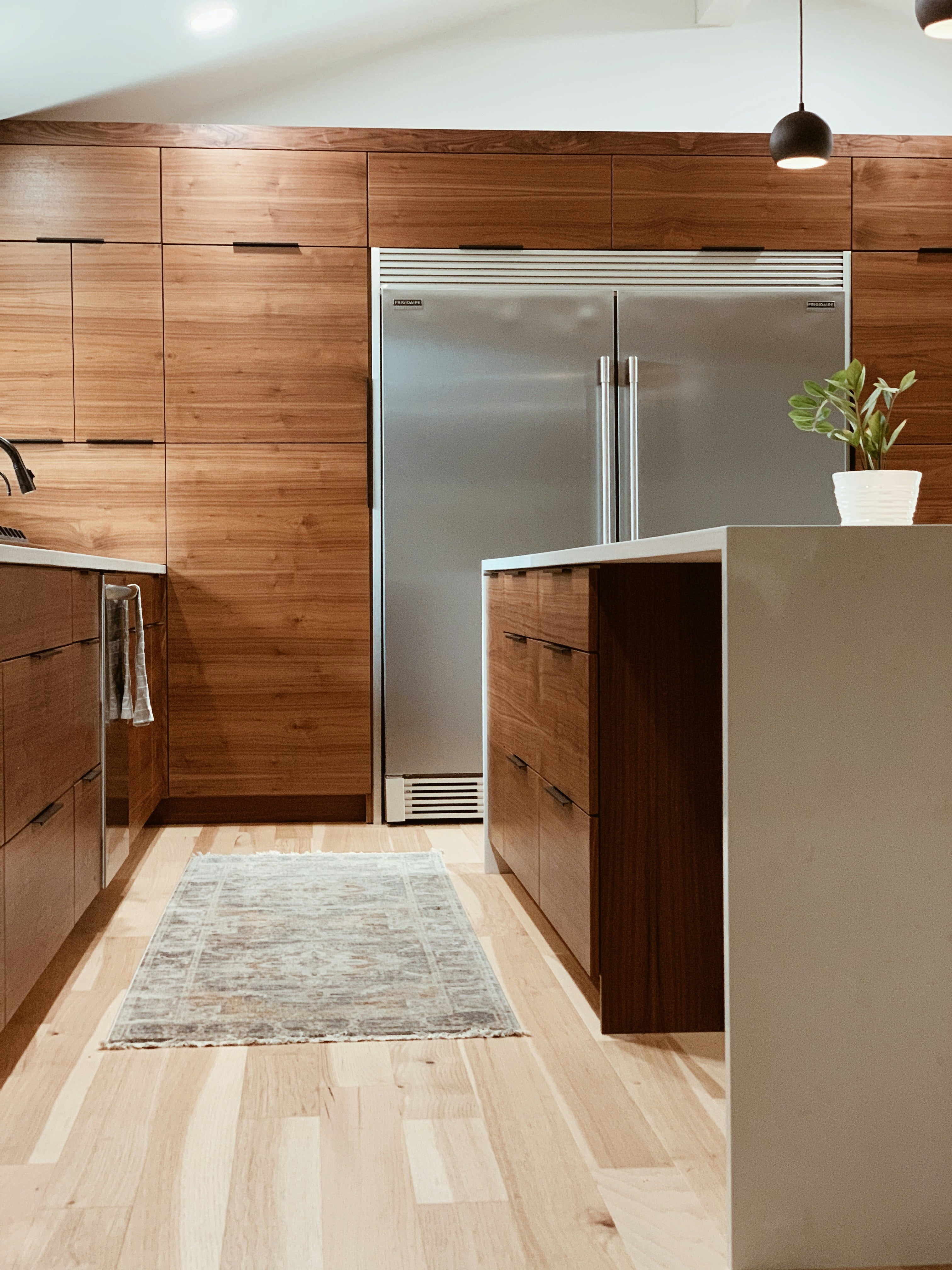
Material pick: Flatweave or low-pile rugs work best under dining tables. They are easy to clean, do not catch chair legs, and still look stunning. Kilim rugs are a particularly smart choice here — durable, flat, and full of character.
Bedroom: Soft Underfoot, Every Single Morning
There is nothing better than stepping out of bed onto a soft, plush rug on a cold morning. And nothing worse than stepping onto cold hardwood because your rug is too small.
For a queen bed, place a 5x8 rug at the foot of the bed, or go with an 8x10 centered under the bed with at least 18-24 inches extending on each side and the foot. For a king, a 9x12 is your baseline.
Material pick: High-pile wool or a soft vintage rug works beautifully in bedrooms. The texture adds warmth and the visual softness makes the whole room feel more restful.
Entryway: First Impressions Are Everything
Your entryway rug is the first thing guests see and the most abused rug in your home. It needs to be durable, easy to clean, and visually striking enough to set the tone for the rest of your space.
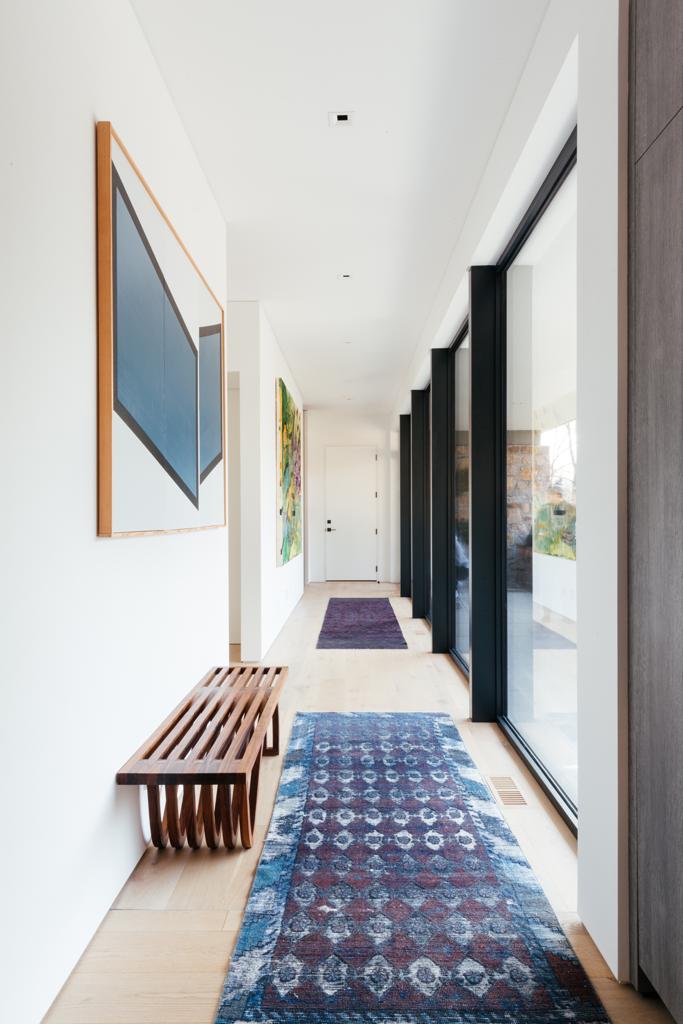
Size-wise, fill as much of the entryway floor as possible without blocking the door swing. Runner rugs work well in narrow entries; a bold 4x6 or 5x8 works in wider foyers.
Material pick: Flatweave, low-pile wool, or a vintage rug with some wear already built in. Avoid silk or high-pile in high-traffic entry areas.
Home Office: Grounding Your Work Space
A rug in a home office does more than look good — it reduces noise, defines the workspace, and makes long hours at the desk more comfortable. Aim for a rug large enough to sit under your desk and chair, with the chair staying on the rug when rolled back.
Material pick: Low-pile or flatweave rugs work best with rolling desk chairs. A vintage or geometric rug adds personality without being distracting.
The Bottom Line
Buying a rug is an investment. Get the size right, match the material to the room's demands, and choose something with character that will grow with your home. A well-chosen rug does not just cover a floor — it defines a room.
Love what you just read? Subscribe to our newsletter for styling tips, new arrivals, and exclusive offers delivered straight to your inbox. Have questions about which rug is right for your space? Contact us — we are here to help. Ready to find your perfect rug? Shop our full collection now.