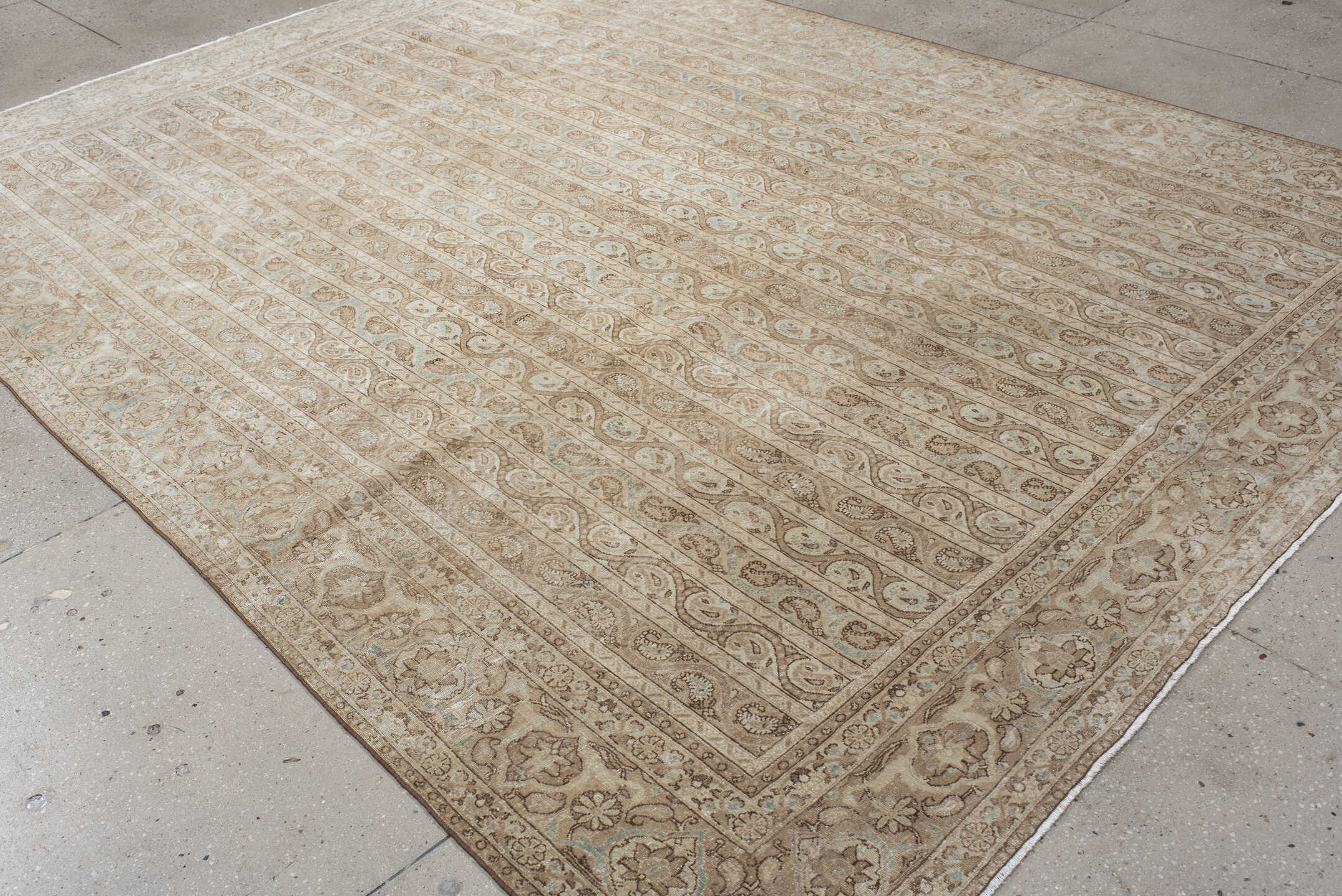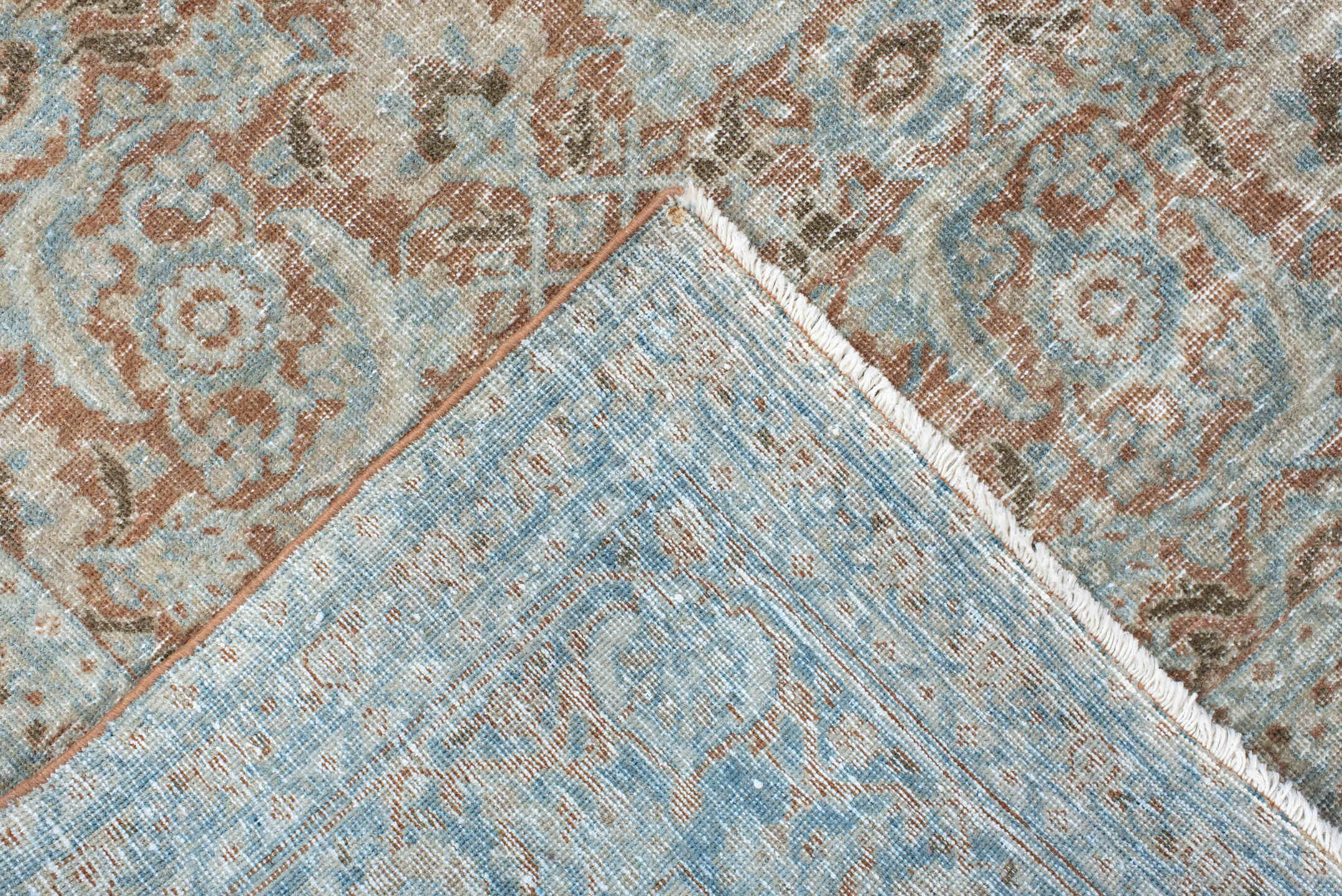
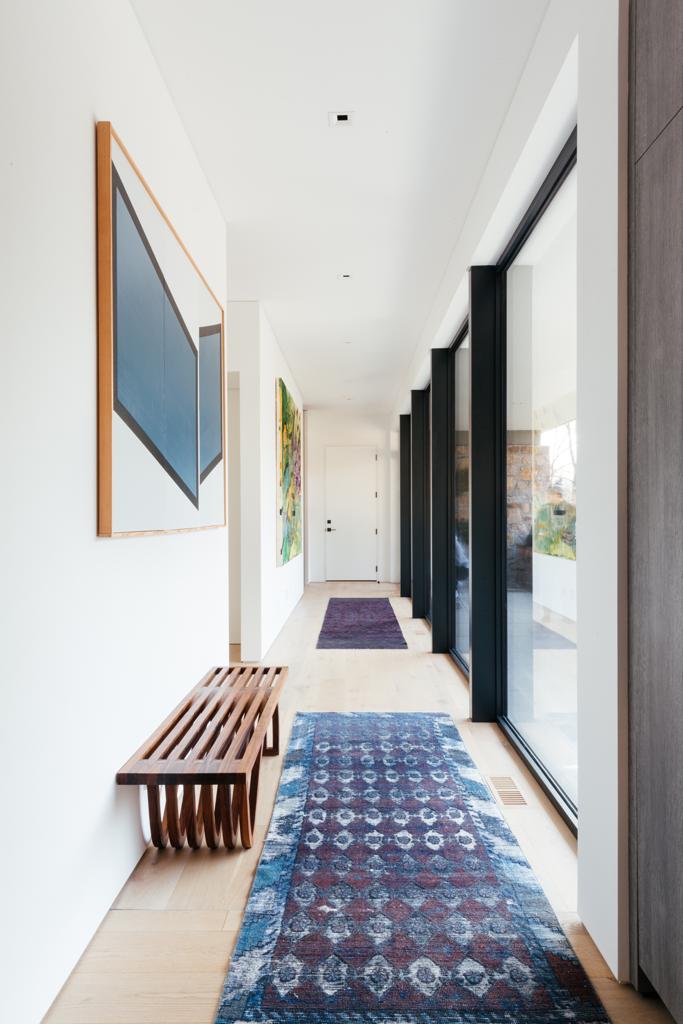
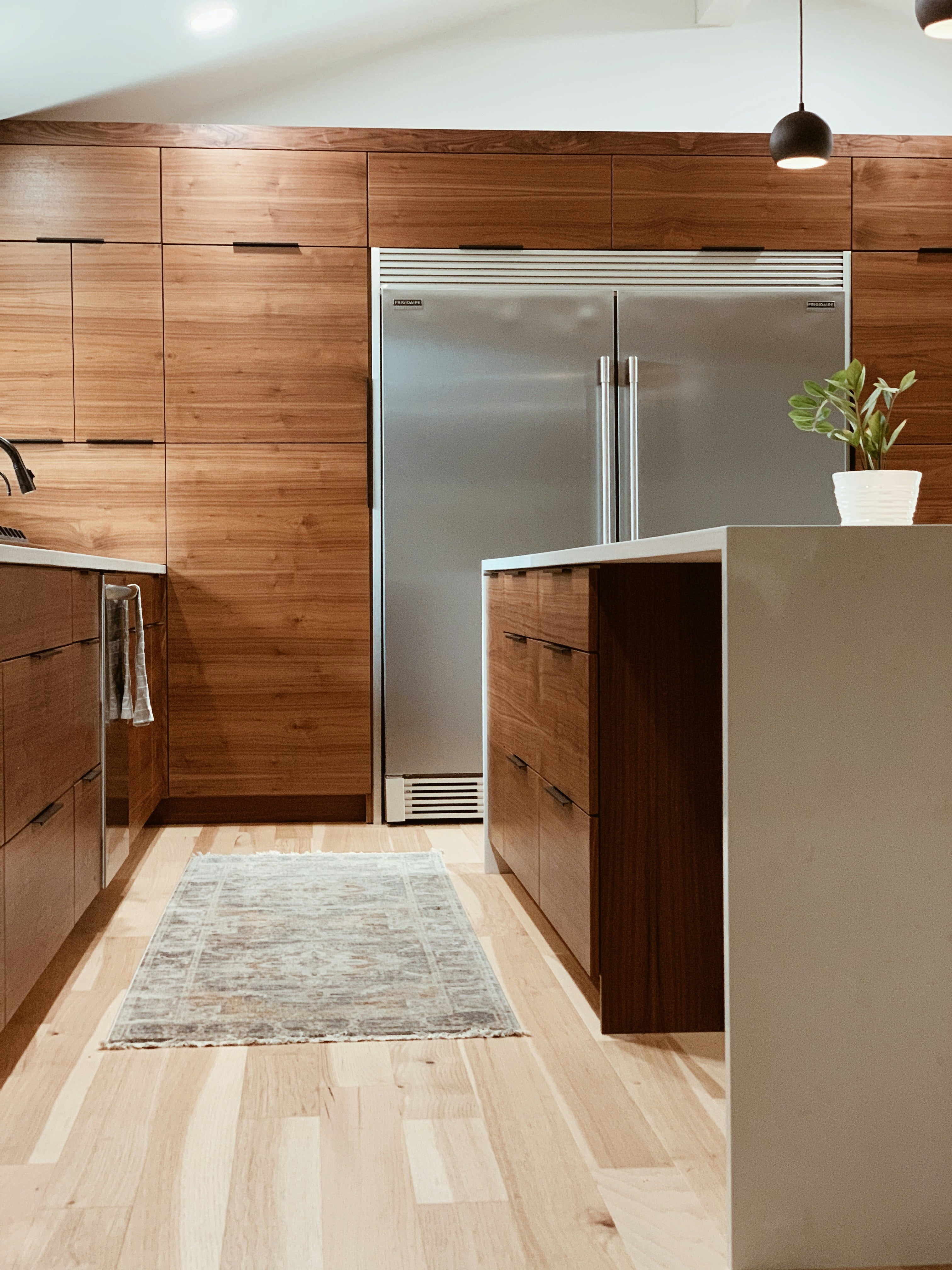

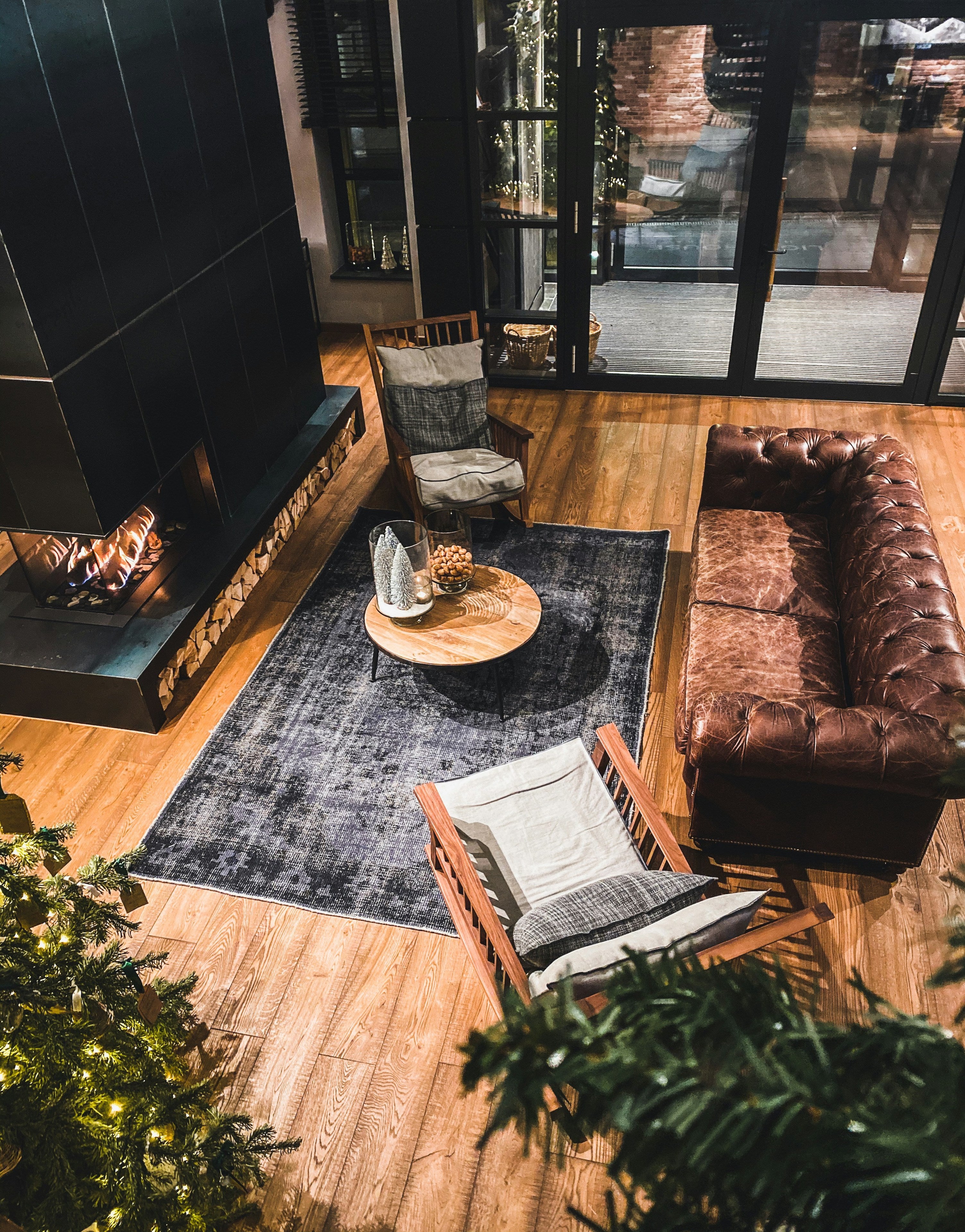


A well-made rug is not fragile—but it is honest. It reflects how it’s treated. With the right care, a quality rug can last generations. With the wrong habits, even the finest piece will show wear far sooner than it should.
The mistake many homeowners make is assuming rug care is complicated or, on the opposite end, assuming it requires no thought at all. The truth lives in between. Proper rug maintenance is about consistency, restraint, and understanding what your rug actually needs—not reacting to every spill with panic or every article with conflicting advice.
Vacuuming is the foundation of rug care, but it’s also where people go wrong first. Rugs should be vacuumed regularly, especially in high-traffic areas, but gently. Avoid beater bars on hand-knotted or vintage rugs, as aggressive suction and rotating brushes pull at fibers over time. Instead, use a suction-only setting and vacuum in the direction of the pile. This removes dirt before it settles deep into the foundation, where it becomes abrasive and accelerates wear.
Rotation is another quiet habit that makes a dramatic difference. Rugs wear unevenly because rooms are used unevenly. Sunlight, foot traffic, and furniture placement all take their toll in specific spots. Rotating your rug once or twice a year allows it to age evenly, preventing one side from fading or thinning faster than the rest. This is especially important in sunlit rooms, where UV exposure gradually softens color.
Spills are inevitable. Damage is not—if handled correctly. The key is to act quickly without overreacting. Blot, don’t rub. Use a clean, dry cloth to absorb liquid before it penetrates the fibers. Avoid household cleaners, bleach, or anything labeled “multi-purpose.” These products often leave residues that attract more dirt or strip natural dyes. When in doubt, plain water and gentle blotting are far safer than aggressive cleaning.
One of the most overlooked aspects of rug care is what lies beneath it. A proper rug pad does more than prevent slipping. It absorbs impact, reduces friction against the floor, and allows air to circulate—extending the life of both the rug and the surface underneath. Rugs placed directly on hardwood or tile without a pad experience more stress with every step.
Professional cleaning is not something to fear or delay indefinitely. Over time, dirt settles beyond the reach of home vacuuming. A professional rug wash—specifically one designed for hand-knotted and natural fiber rugs—restores clarity to colors and removes embedded grit. The frequency depends on use, but most rugs benefit from a professional cleaning every few years. Importantly, this is not the same as steam cleaning. Immersion washing, done by specialists, respects the rug’s structure and materials.
Sun exposure is another factor homeowners underestimate. While natural light brings life to a room, prolonged direct sunlight fades dyes gradually and permanently. Sheer curtains, UV window films, or strategic rotation can significantly reduce long-term fading without sacrificing brightness.
Perhaps the most important principle in rug care is understanding that quality rugs are meant to live with you. They are not museum pieces, and they don’t require constant worry. What they do require is respect for their materials and craftsmanship. A rug that is vacuumed thoughtfully, rotated occasionally, cleaned properly, and protected from unnecessary abuse will age beautifully—and often look better with time.
At Rug Styling, we believe care is part of ownership. A rug isn’t just something you place in a room. It’s something you live on, walk across, and pass down. And when cared for properly, it tells that story quietly, underfoot, every day.
Further Reading: