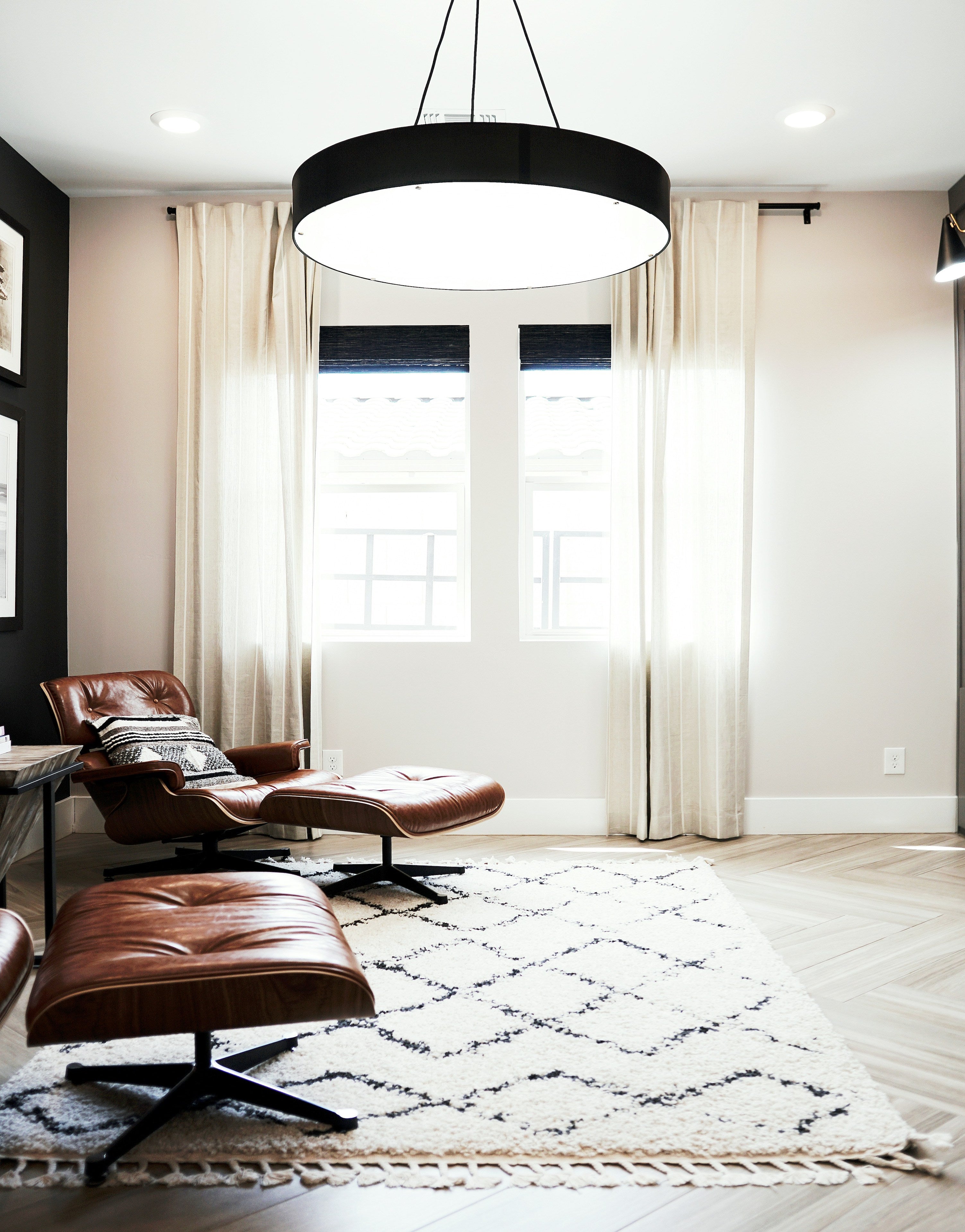
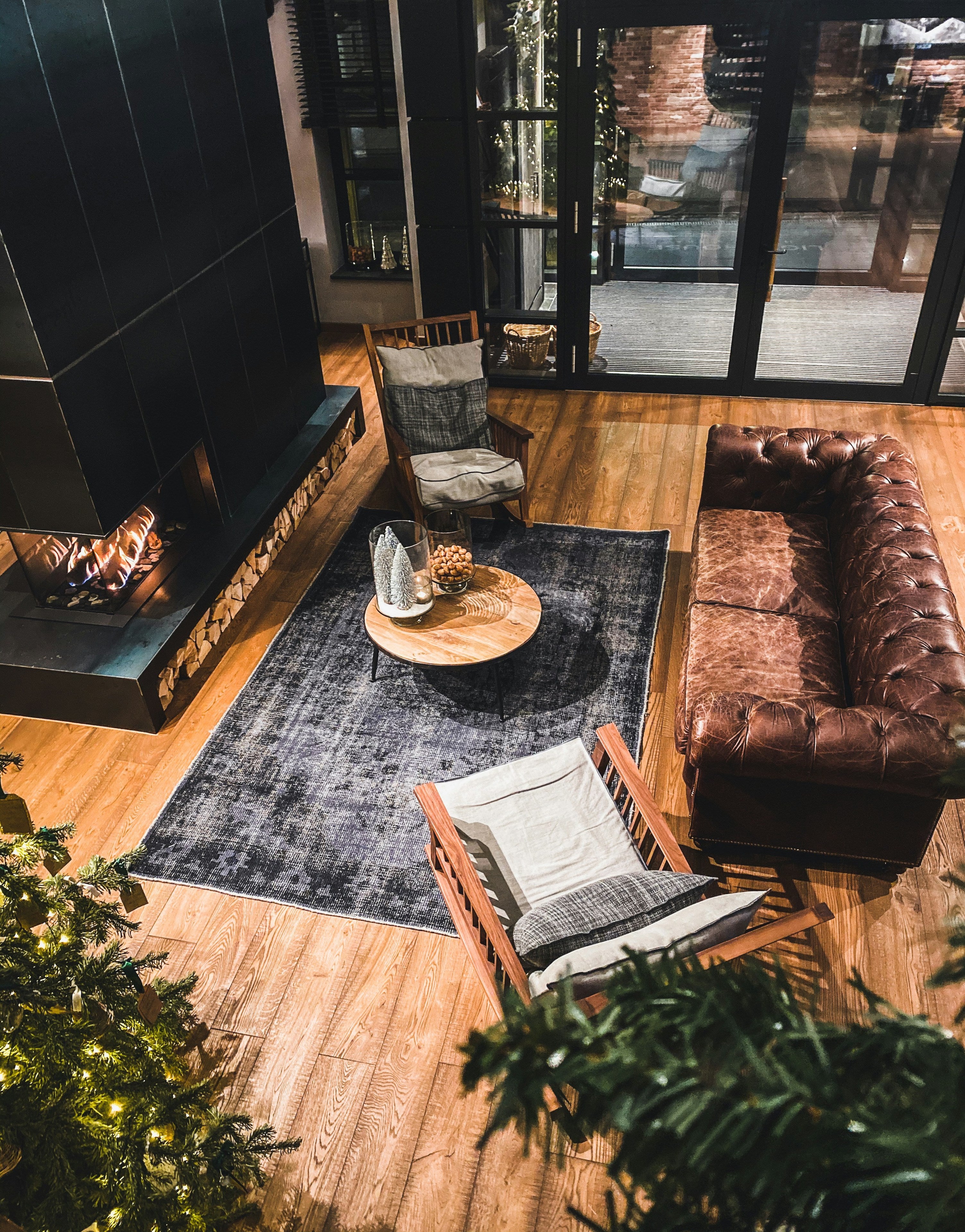
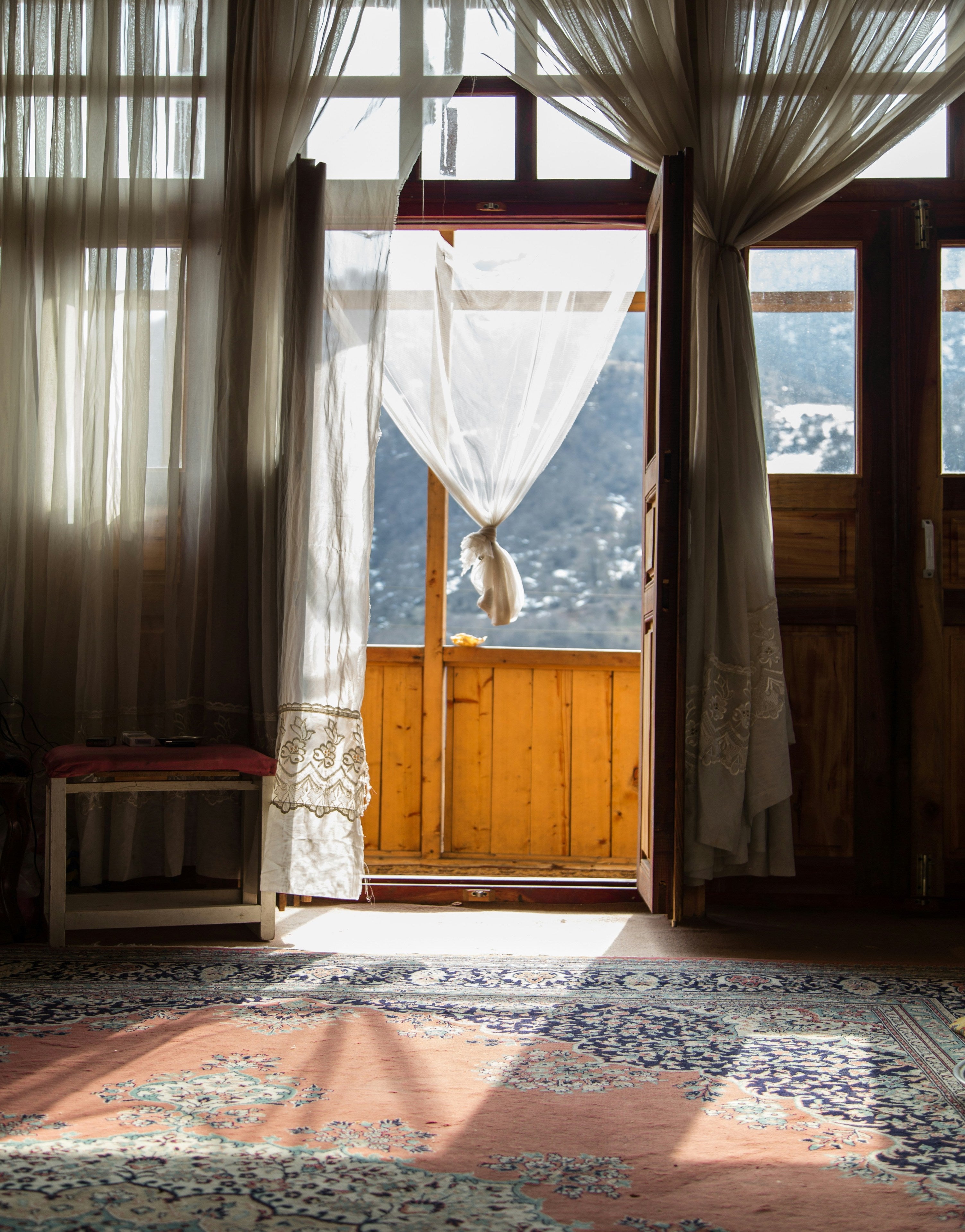

A rug is not an accessory. It’s a foundation. Designers know that the right rug can anchor a room, shift proportions, add warmth, and quietly elevate everything around it. The wrong rug, on the other hand, can make even the most beautiful furniture feel disconnected.
Here are 7 ways a rug transforms a space, and how to use each one intentionally.
1. It Defines the Room’s Boundaries
In open-concept spaces, rugs create visual “rooms” without walls. A living area instantly feels intentional when furniture sits on a rug rather than floating above it.
2. It Sets the Color Story
A rug introduces layered color in a way paint never can. Designers often pull secondary tones from a rug to guide pillows, art, and upholstery.
3. It Adds Warmth Without Visual Clutter
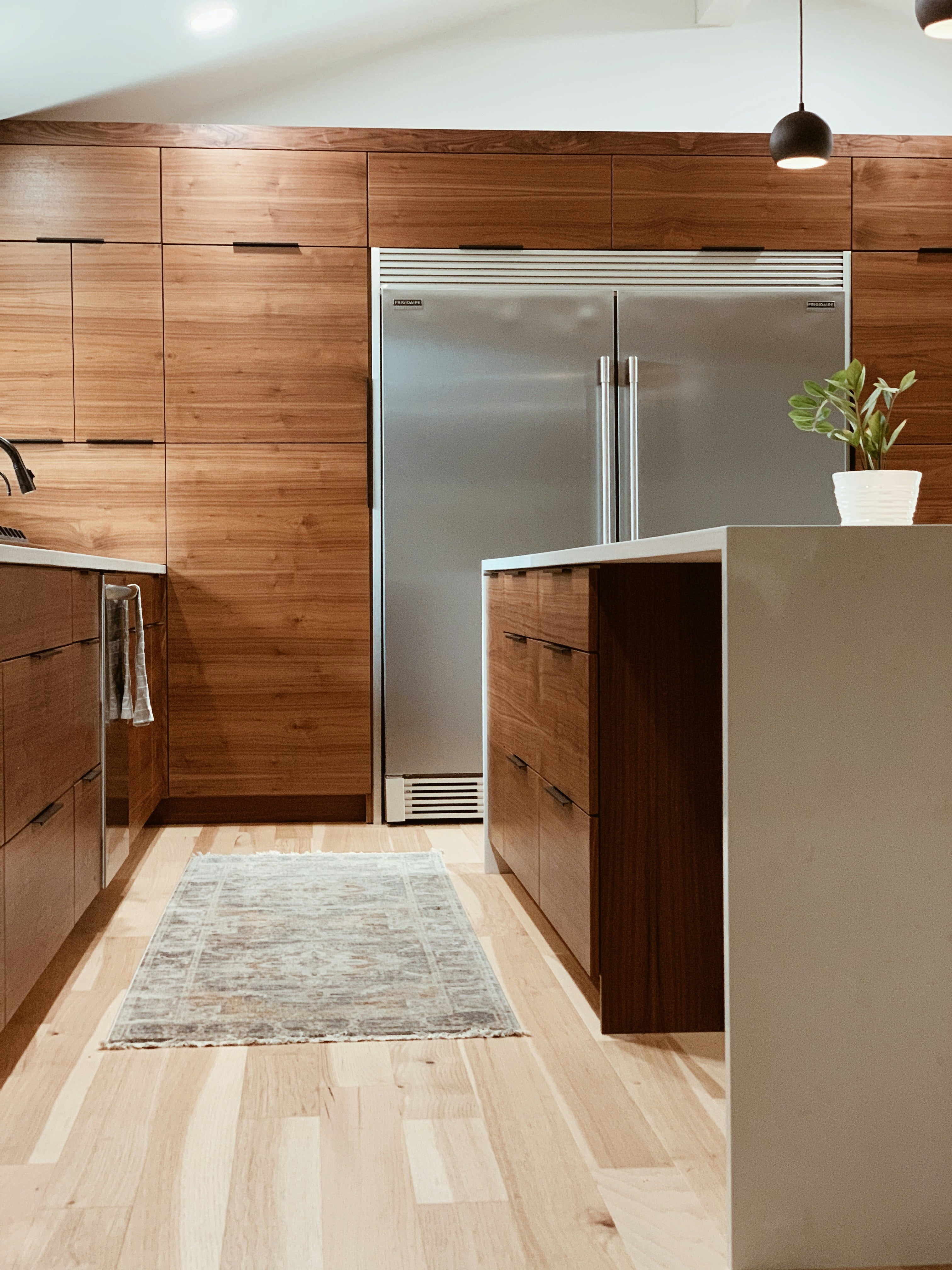
Hard surfaces dominate modern homes. A rug softens acoustics and temperature while maintaining a clean aesthetic.
4. It Balances Modern Furniture
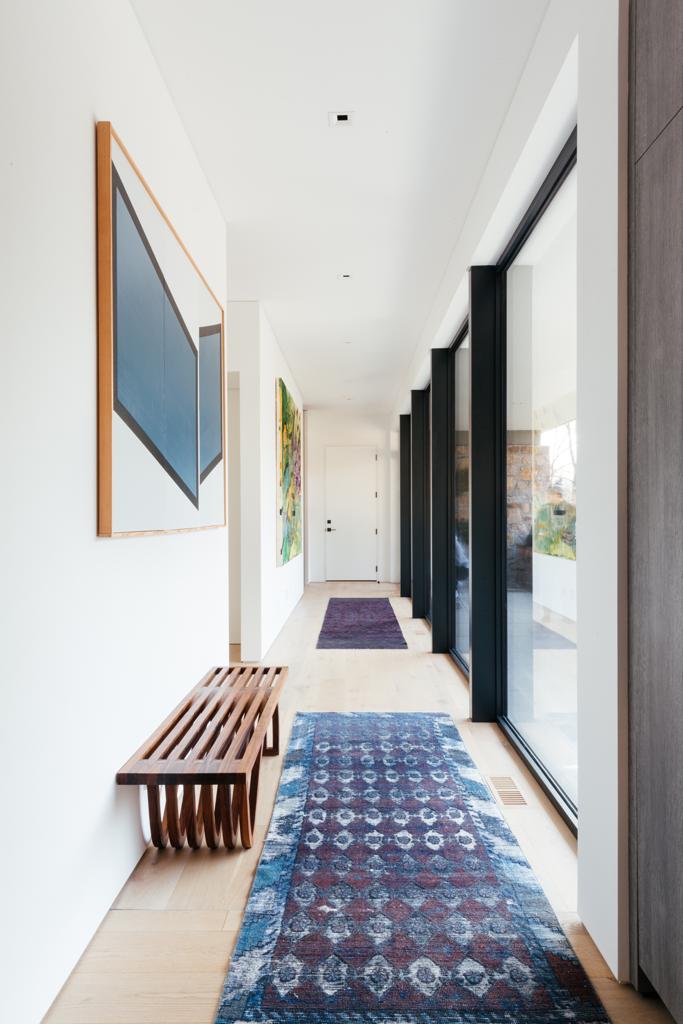
Sleek furniture can feel cold. Vintage or hand-knotted rugs introduce soul and contrast, grounding contemporary spaces.
5. It Creates Scale and Proportion
A too-small rug makes a room feel awkward. A properly scaled rug makes ceilings feel higher and rooms feel expansive.
6. It Tells a Story
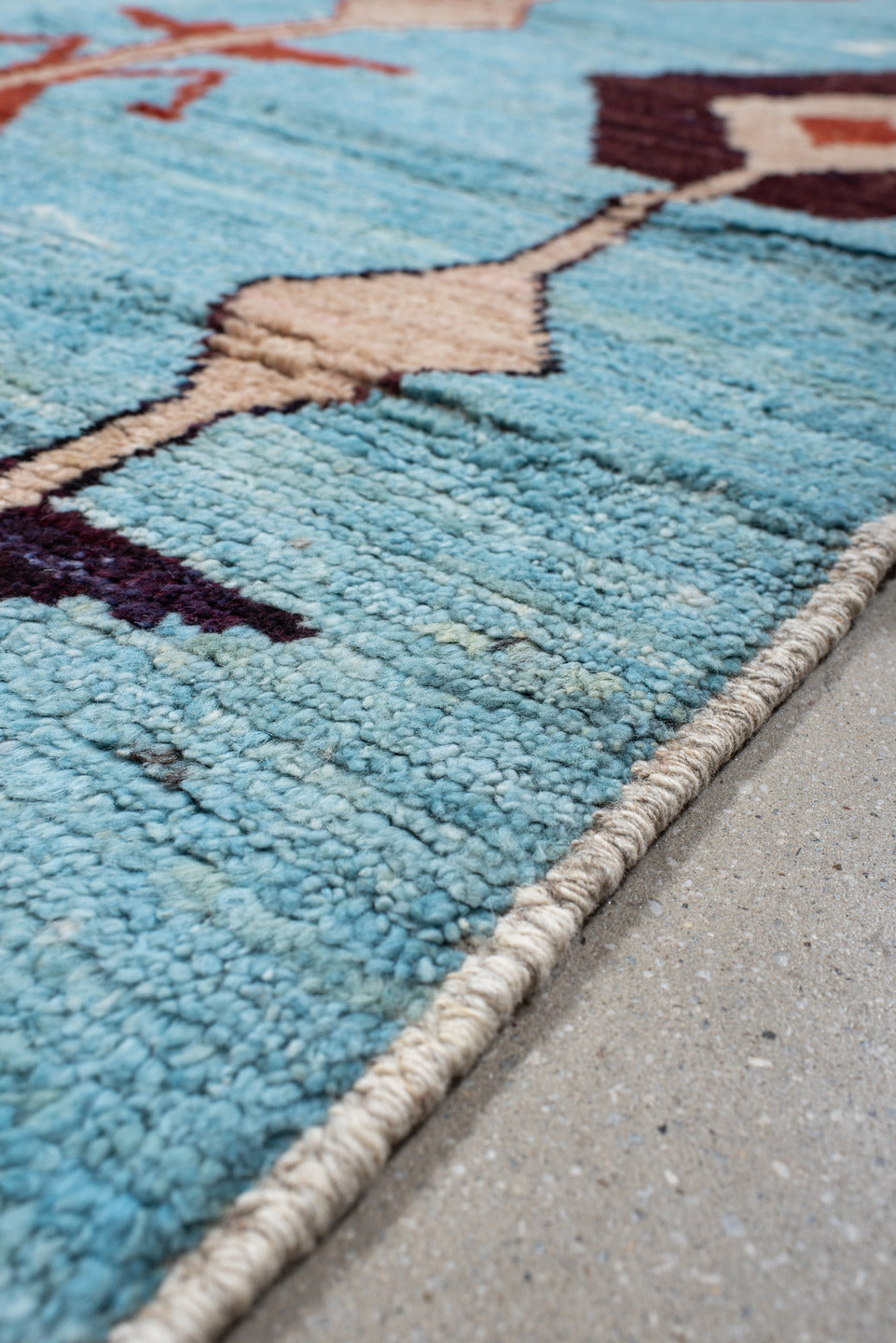
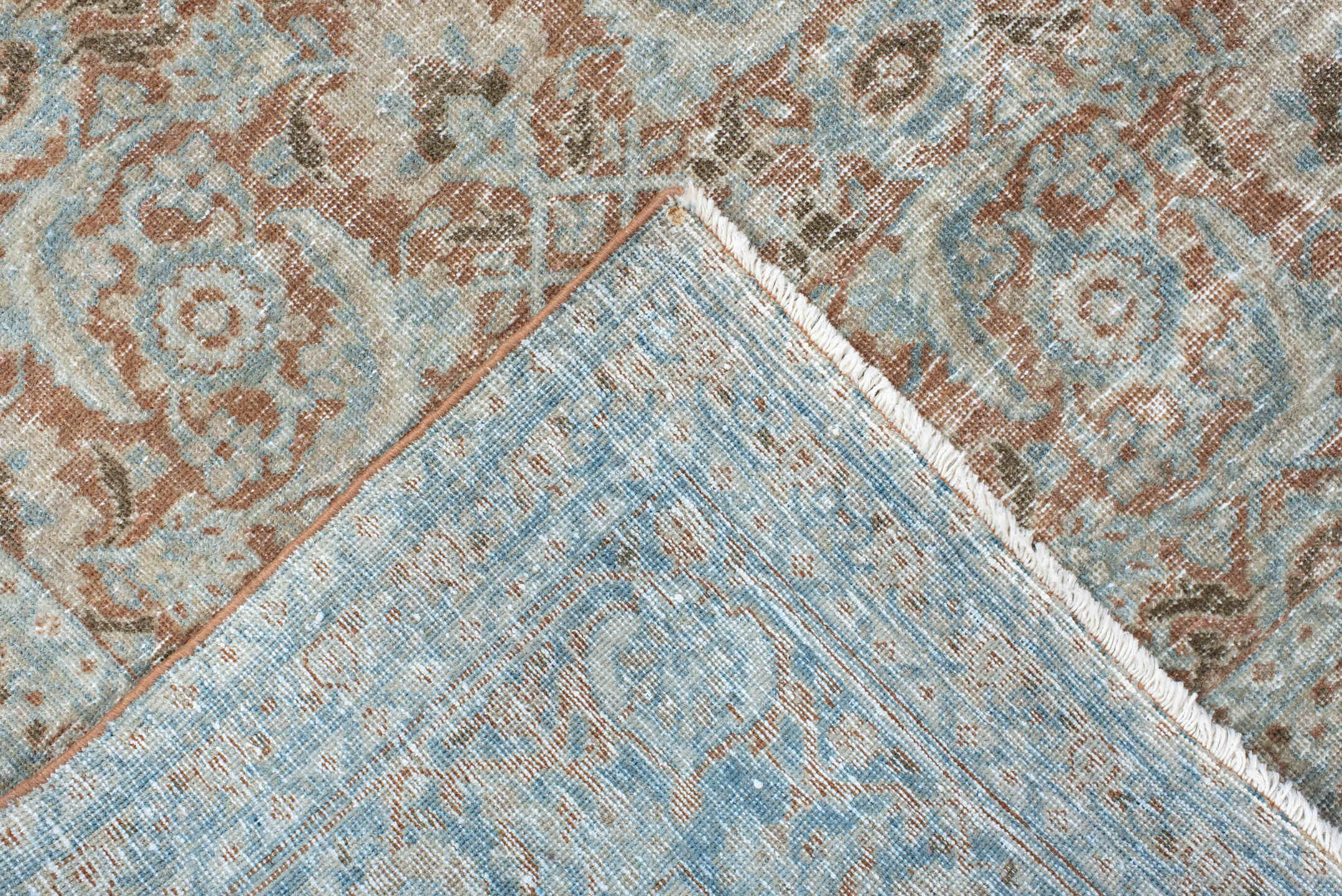
Handwoven rugs carry history, craft, and cultural detail. They become conversation pieces, not background decor.
7. It Anchors the Eye
Designers often say: if the rug works, everything else falls into place.
Expert Tip: Always size up. Most rooms need a rug larger than expected.
Related Reads: