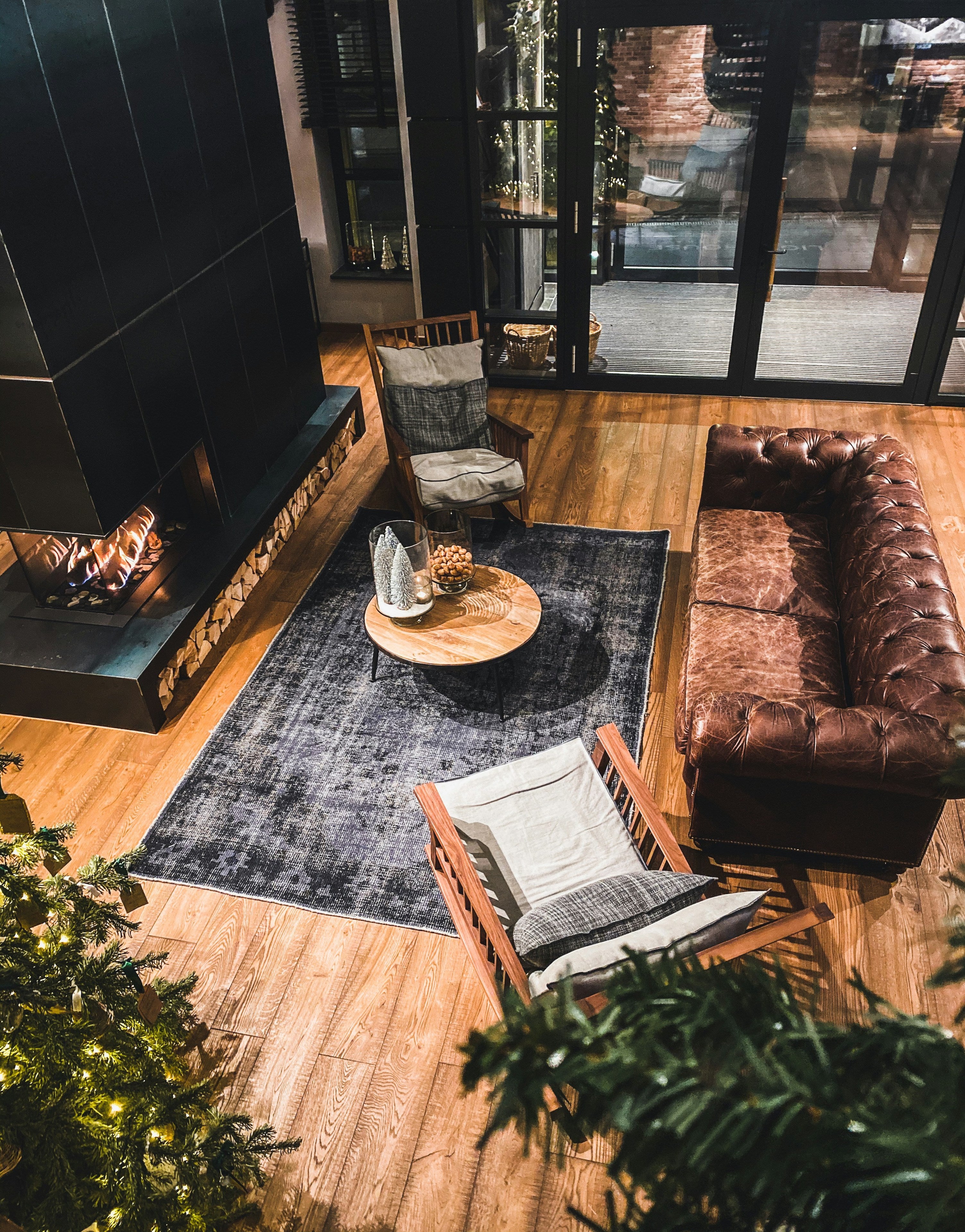


Wrong rug size is the single most common and most expensive decorating mistake people make. A rug that is too small makes a room feel cheap and disconnected no matter how beautiful the rug itself is. A rug that is too large overwhelms the space and leaves no breathing room. Getting the size right is not a matter of taste — it is a matter of proportion, and there are clear rules that work every time.
Here is the exact sizing formula for every room in your home.
How to Measure Before You Buy
Before you look at a single rug, get a tape measure and some painter's tape. Tape out the dimensions of the rug you are considering on your floor. Live with it for a day. Walk around it. Sit in your furniture and look at it. This simple step eliminates the single biggest source of rug-buying regret and costs you nothing.
Also measure your room and your furniture grouping separately. The rug does not need to fill the room — it needs to anchor the furniture arrangement within the room. These are different things, and confusing them leads to rugs that are either too small for the furniture or too large for the space.
Living Room: The Front Legs Rule
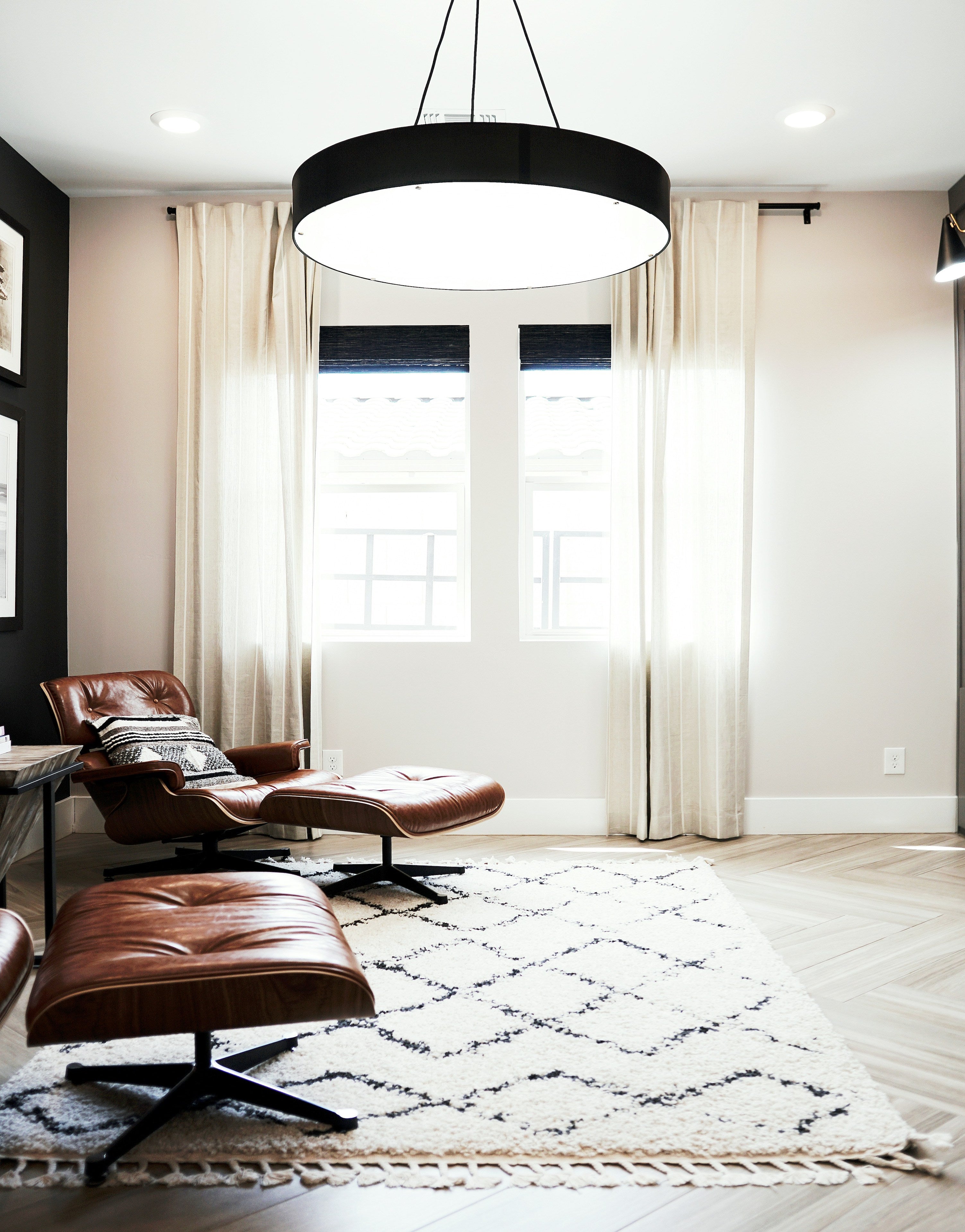
The most widely used and most reliable rule for living room rugs: all front legs of your sofa and chairs should sit on the rug. This connects the furniture to the rug and makes the seating area feel like a unified, intentional grouping rather than a collection of pieces floating in a room.
For a standard living room with a three-seat sofa and two chairs, an 8x10 is usually the minimum. A 9x12 is better in most cases and gives the room more breathing room. For large open-plan spaces in homes across the South and Southwest, a 10x14 or even larger may be appropriate.
If budget is a constraint and you cannot afford the right size in the rug you love, consider layering — a large, affordable jute base rug topped with a smaller statement rug can achieve the right scale at a lower cost than a single large handmade rug.
Dining Room: The Chair Pull-Out Rule
The dining room has the most precise sizing requirement of any room in the house. The rug must be large enough that dining chairs remain on the rug even when pulled out from the table. A chair that slides off the edge of the rug every time someone sits down or stands up is not just annoying — it damages the rug edge over time.
The formula: measure your table, then add 24 inches on every side. That is your minimum rug size. For a 36x72 inch dining table (a standard six-seat rectangular table), you need at least an 84x120 inch rug — which is a 7x10. Most designers recommend going to an 8x10 or 9x12 for comfortable clearance.
For a round table, use the same formula — add 24 inches to the diameter on all sides — and choose a round rug if possible. A round rug under a round table is one of the most elegant combinations in interior design.
Bedroom: The Bedside Landing Rule
The bedroom rug has one primary job: to give you a soft, warm landing when you get out of bed. Everything else is secondary.
For a queen bed, the most popular approach is an 8x10 rug centered under the bed, with the rug extending at least 18 inches on each side and at the foot of the bed. This gives you a generous landing zone on both sides and at the foot without the rug disappearing entirely under the bed frame.
For a king bed, step up to a 9x12. For a twin or full in a smaller room, a 5x8 placed at the foot of the bed or a runner on each side works well.
If you prefer to keep the rug entirely out from under the bed, place a 5x8 at the foot of the bed so it extends into the room. This works particularly well with a statement rug you want to show off fully.
Entryway: Fill the Space
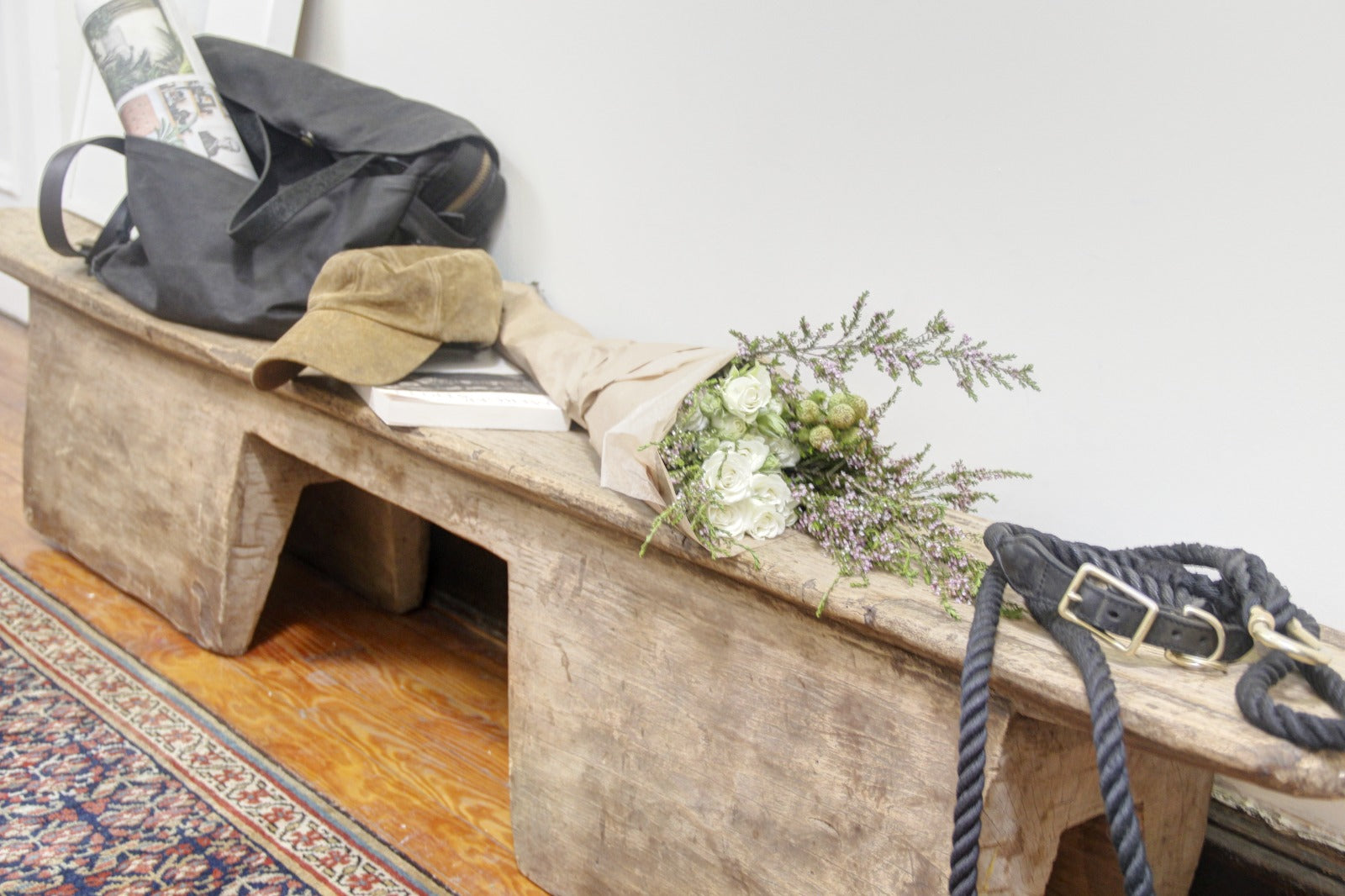
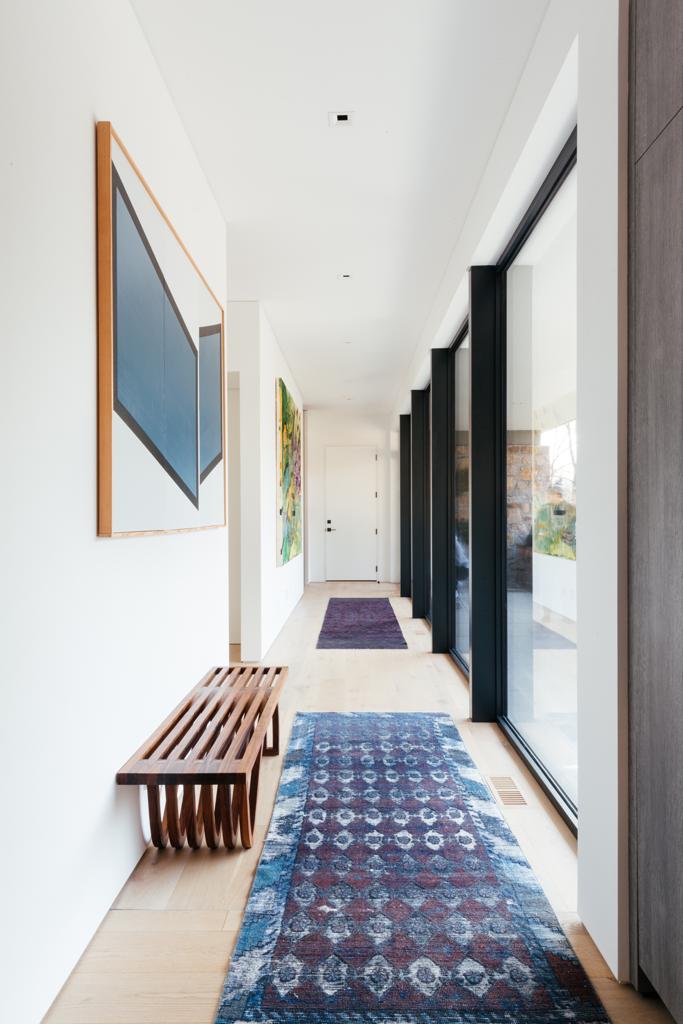
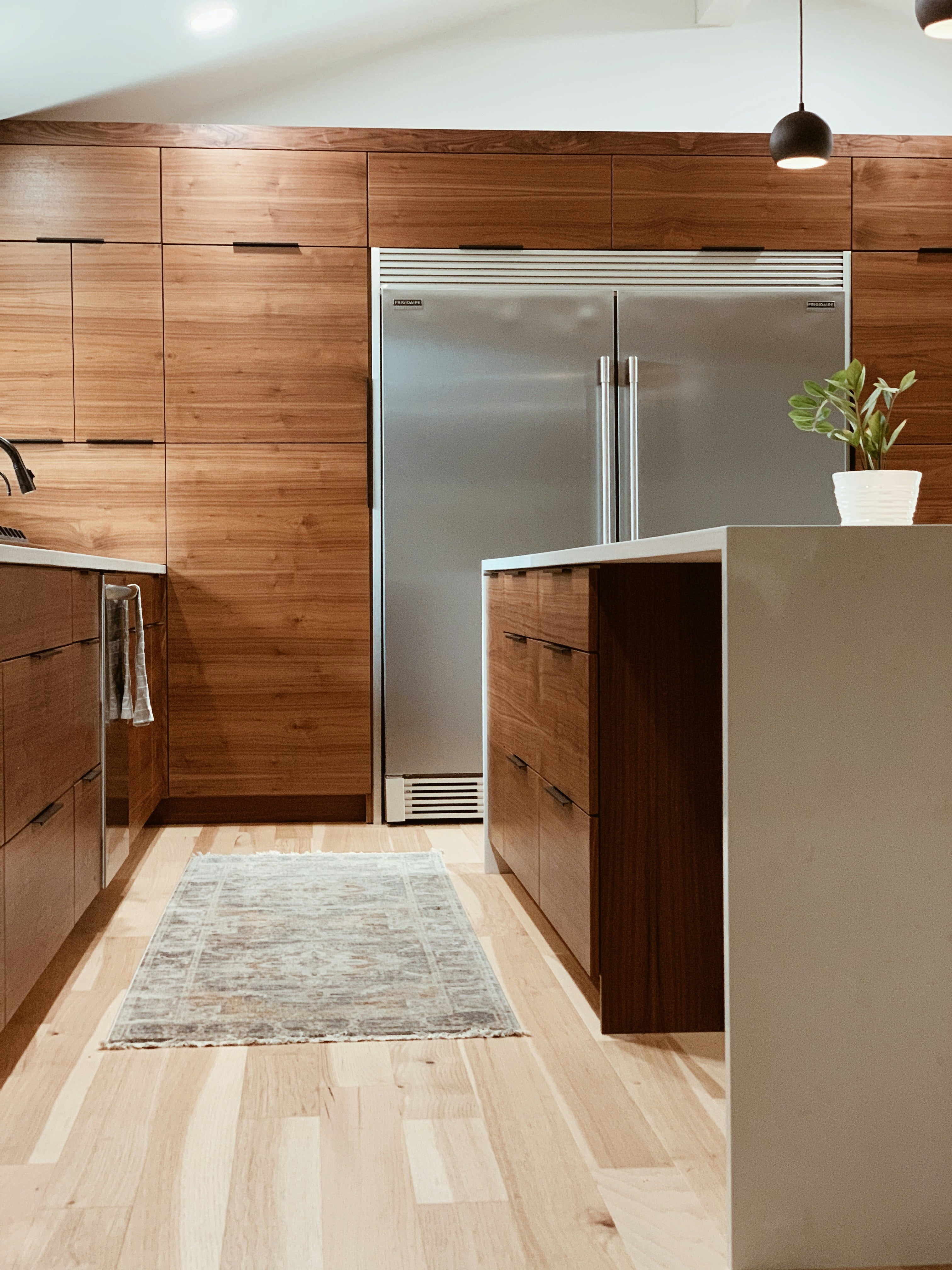
The entryway rug should fill as much of the entry floor as possible without blocking the door swing. In a narrow hallway entry, a runner is the right choice — typically 2.5 to 3 feet wide and as long as the space allows. In a wider foyer, a 4x6 or 5x8 works well depending on the dimensions.
Do not go too small in an entryway. A tiny rug in a large foyer looks like an afterthought. When in doubt, go bigger — the entry is the first impression your home makes, and a generous rug signals confidence and intention.
Home Office: The Chair Coverage Rule
In a home office, the rug needs to be large enough that your desk chair stays on the rug when rolled back from the desk. Measure from the front of your desk to where your chair sits when you are working, then add 12 to 18 inches behind the chair for comfortable movement.
For most standard desk setups, a 5x8 is the minimum. A 6x9 gives more comfortable coverage. Low-pile or flatweave rugs work best in offices with rolling chairs — high pile creates resistance and makes rolling difficult.
The Quick Reference Chart
Living room (small): 6x9 minimum, 8x10 recommended. Living room (medium): 8x10 minimum, 9x12 recommended. Living room (large/open plan): 9x12 minimum, 10x14 recommended. Dining room (6-seat table): 8x10 minimum, 9x12 recommended. Dining room (8-seat table): 9x12 minimum, 10x14 recommended. Bedroom (queen): 8x10 centered under bed. Bedroom (king): 9x12 centered under bed. Entryway (narrow): runner 2.5-3 feet wide. Entryway (wide foyer): 4x6 to 5x8. Home office: 5x8 minimum.
The Bottom Line
Rug sizing is not complicated once you know the rules. Measure your space, tape out the dimensions on the floor, and always err on the side of larger rather than smaller. A rug that is slightly too big is almost always better than one that is too small.
Subscribe to our newsletter for sizing guides, styling tips, and new arrivals delivered straight to your inbox. Contact us if you need help figuring out the right size for your specific space — we are happy to help. Shop our full collection and find the perfect rug in the perfect size for your home.