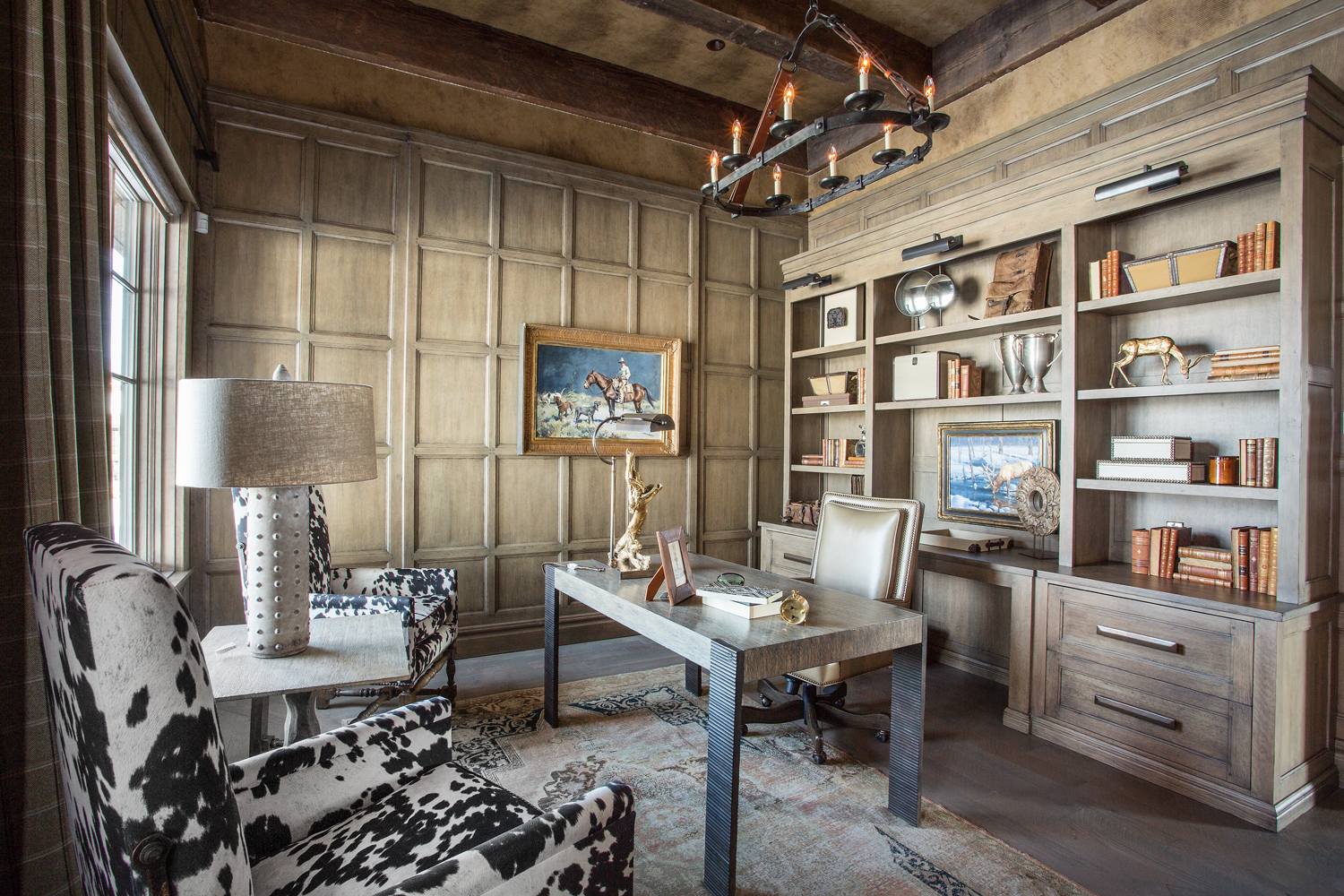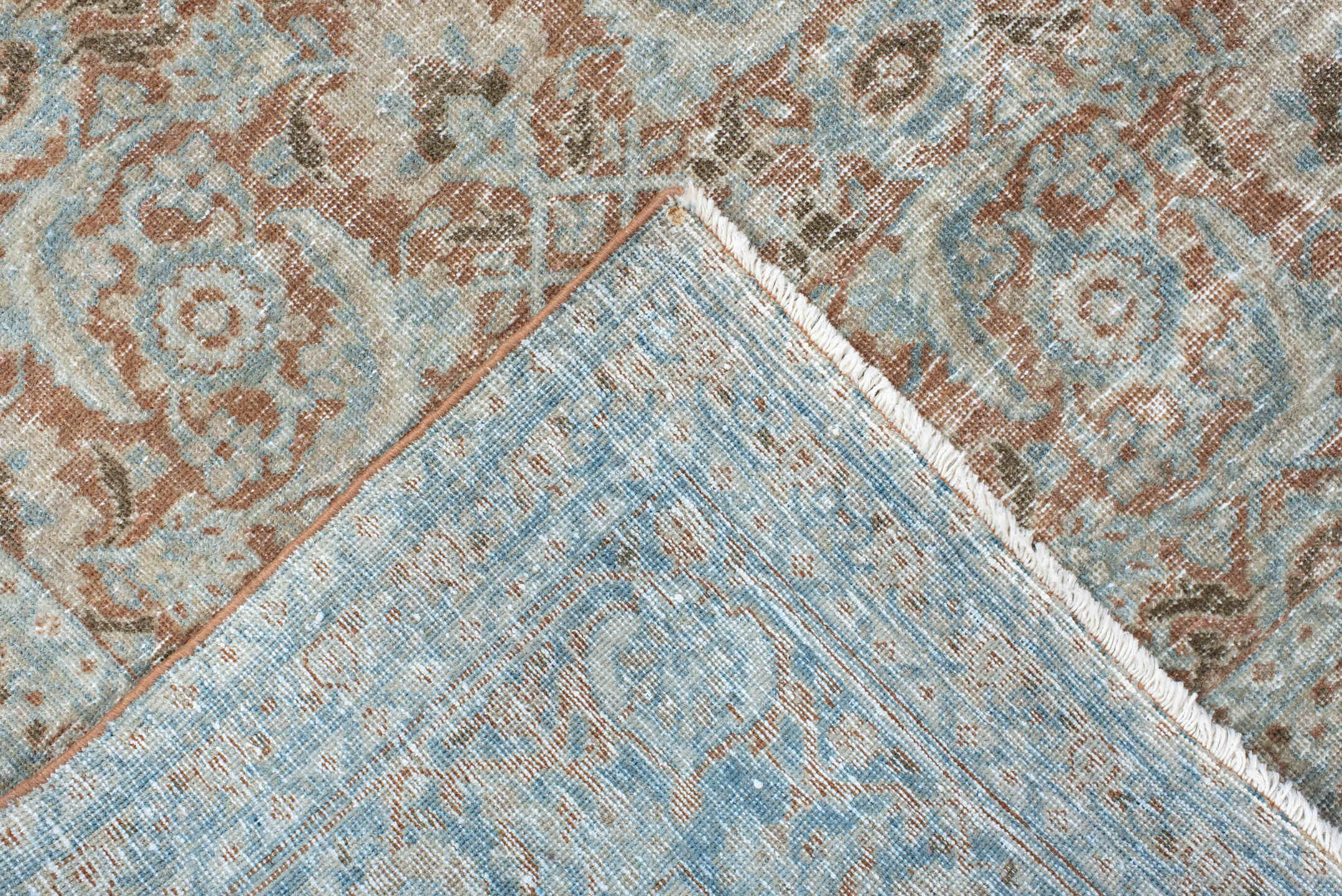
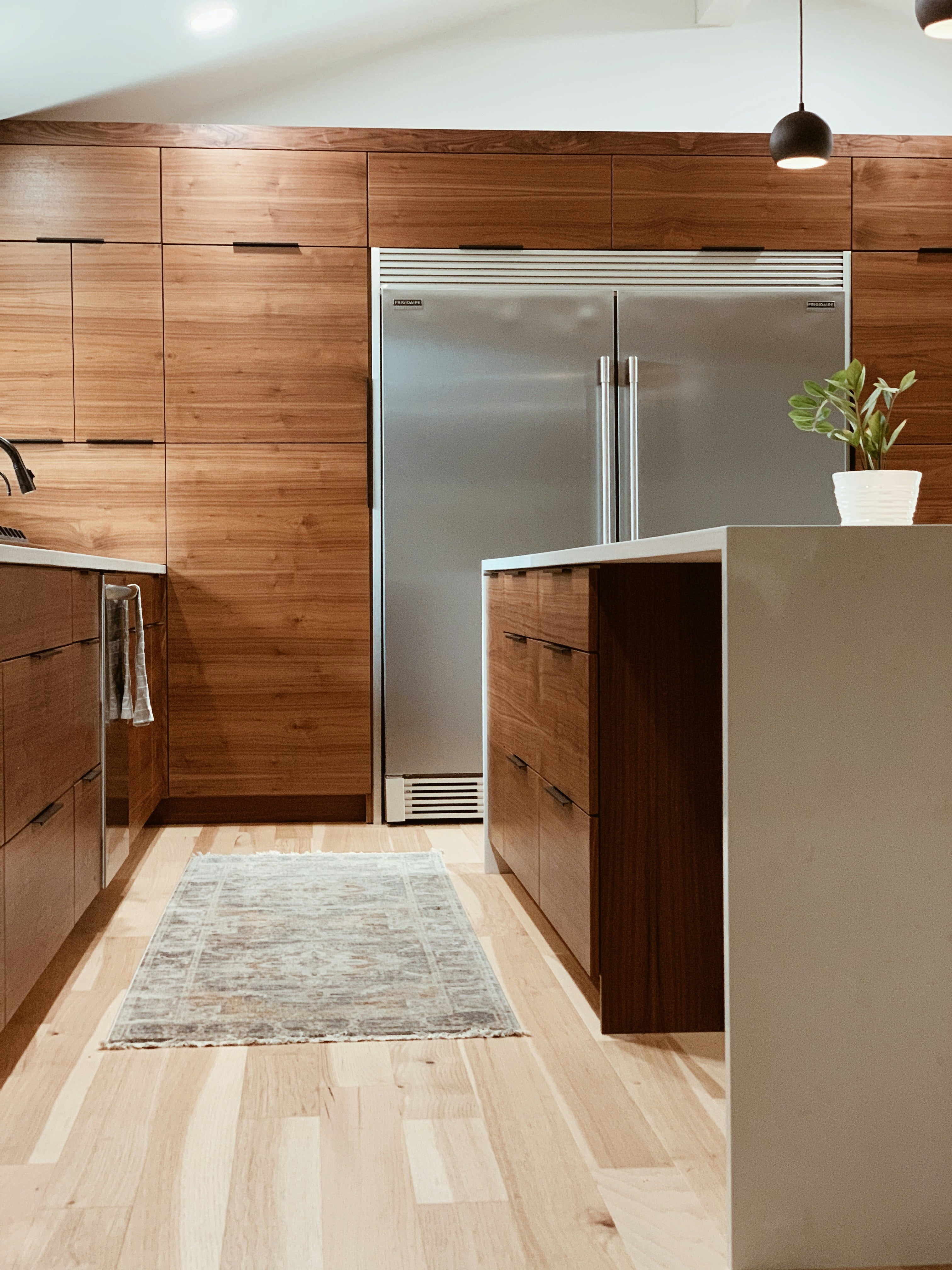

Layering rugs is one of those design moves that looks effortless when done right and chaotic when done wrong. The difference between the two is not talent — it is knowing a handful of rules that interior designers use every time. Once you understand them, you can layer rugs with confidence in any room of your home.
Here is exactly how to do it.
Start With a Base Rug
The foundation of any layered rug situation is a large, relatively neutral base rug. This is the rug that defines the space and sets the scale. Natural fiber rugs — jute, sisal, seagrass — are the most popular choice for this role because they are affordable in large sizes, have a neutral texture that works with almost anything, and provide a natural, organic backdrop for whatever goes on top.
The base rug should be large enough to anchor the entire seating or dining area. In a living room, that typically means an 8x10 or larger. Do not go too small — a base rug that is too small defeats the purpose and makes the whole arrangement look accidental.
Choose a Smaller Statement Rug for the Top
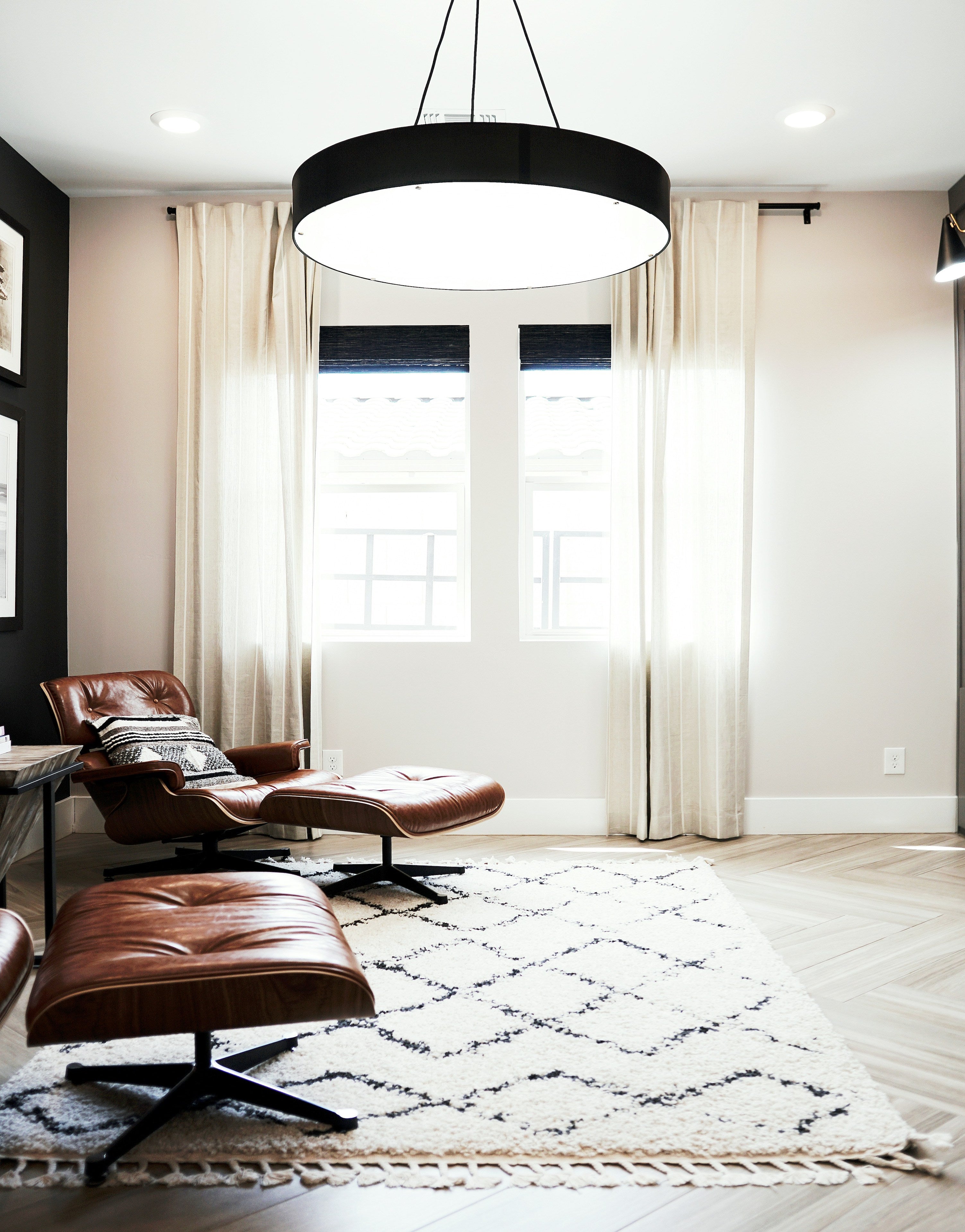
The top rug is where the personality comes in. This is your Moroccan wedding blanket, your vintage Persian kilim, your bold geometric Beni Ourain. It should be significantly smaller than the base rug — roughly half the size or less — and it should have enough visual interest to justify being the focal point.
The top rug does not need to be centered on the base rug. In fact, slightly off-center often looks more intentional and relaxed. Let it sit naturally in the space rather than forcing perfect symmetry.
Play With Texture Contrast
The most successful layered rug combinations work because of texture contrast, not just pattern contrast. A flat, woven jute base under a thick, high-pile Moroccan rug creates a tactile richness that a single rug simply cannot achieve. The eye moves between the two surfaces and the room feels more layered and considered as a result.
Avoid layering two rugs with similar pile heights or textures — they will compete with each other and the effect will look muddy rather than intentional.
Think About Color Relationships
The two rugs do not need to match, but they do need to relate. Look for a color in the top rug that echoes something in the room — a throw pillow, a piece of art, the upholstery on a chair. The base rug should be neutral enough to not compete with the top rug's pattern or color.
A common mistake is choosing a base rug with too much pattern or color of its own. The base is a supporting player. Let the top rug be the star.
Use a Rug Pad
This is non-negotiable. A rug pad under the base rug keeps everything from sliding, protects your floors, and adds a layer of cushioning underfoot. Without a rug pad, layered rugs shift constantly and the whole arrangement looks sloppy within days.
If you are layering on carpet, use a non-slip rug pad between the two rugs as well to keep the top rug from migrating.
Where Layering Works Best
Living rooms are the most natural home for layered rugs, but the technique works beautifully in bedrooms too — a large flatweave base with a soft, plush rug at the foot of the bed creates a luxurious landing zone. Dining rooms can work with layering if the base rug is large enough to accommodate chairs being pulled out on both rugs.
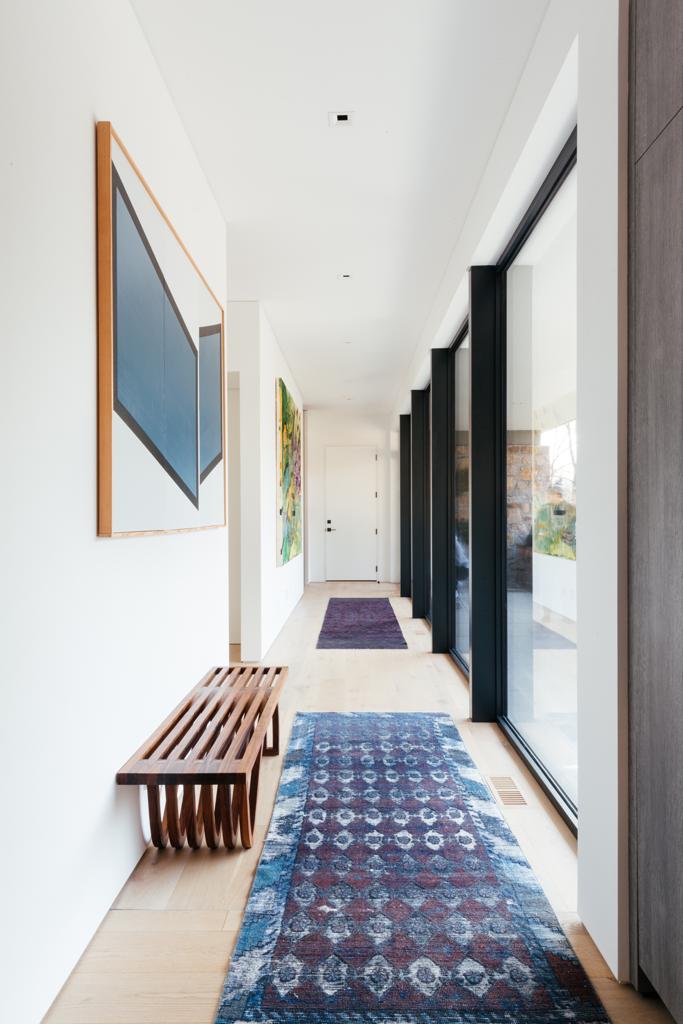
Entryways and hallways are generally too narrow for effective layering. Stick to a single statement runner in those spaces.
The Bottom Line
Layering rugs is one of the highest-impact, lowest-cost ways to transform a room. A jute base rug and a vintage Moroccan top rug together can cost less than a single large statement rug — and the result looks more interesting and personal than almost anything you could buy off the shelf.
Subscribe to our newsletter for layering inspiration, styling guides, and new arrivals straight to your inbox. Contact us if you want help putting together the perfect layered rug combination for your space. Shop our full collection and find your next statement rug today.